AI & TECH
AI Hiring Tools Face Legal Scrutiny Over Bias and Lack of Transparency
MyDigiFolio Editors
3 min read
AI & TECH
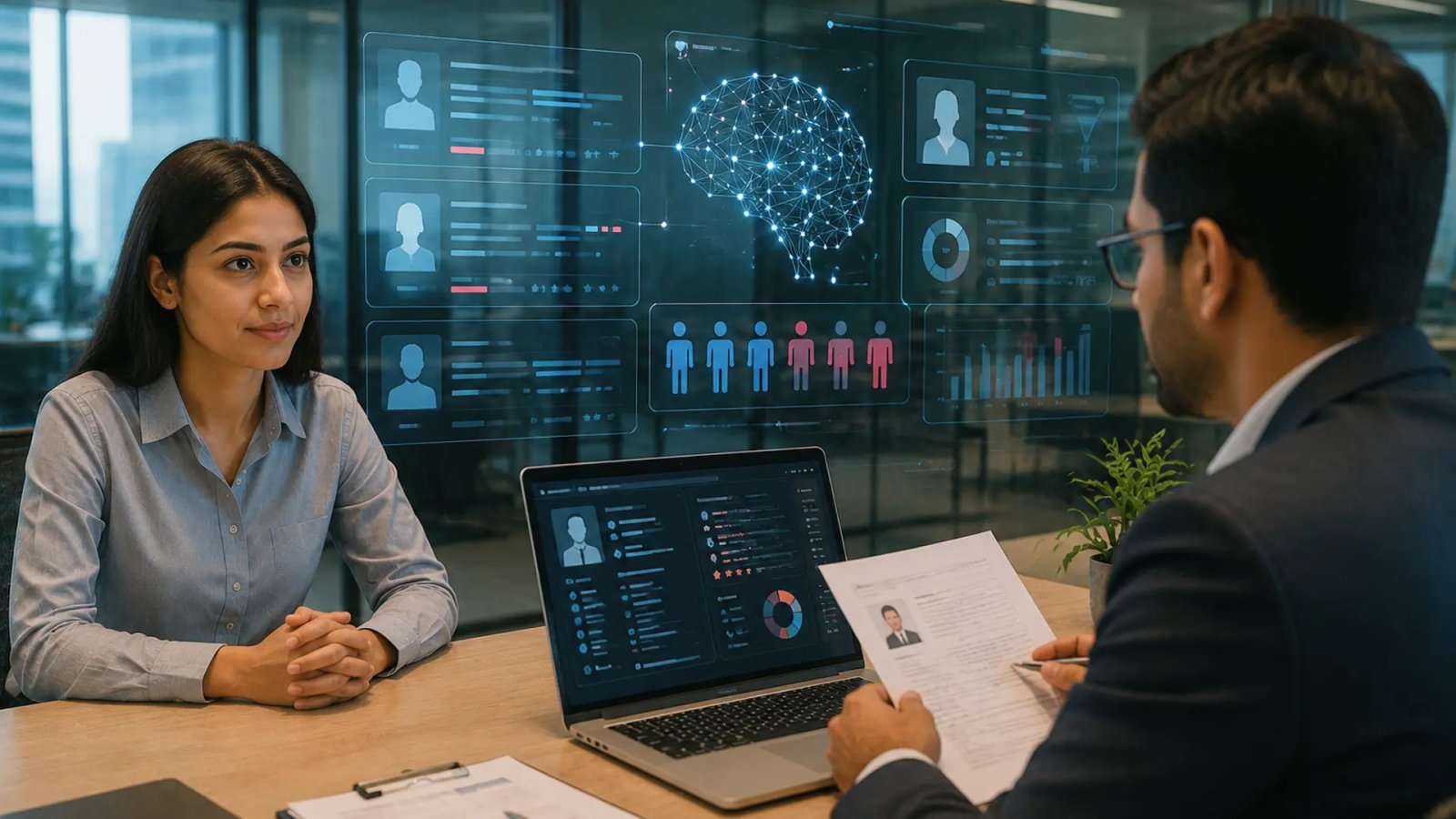
AI is becoming a major part of recruitment, but its growing use is also raising questions about bias, transparency and accountability. As lawsuits and regulations increase, employers may face greater pressure to explain how automated systems affect job candidates and workers.
Artificial intelligence is playing a growing role in recruitment and workplace decisions, but its use is now facing increasing legal scrutiny. A number of lawsuits are questioning whether automated systems used to screen candidates, manage employees and support layoff decisions may discriminate against workers or operate without sufficient transparency.
One such case involves Erin Kistler, an experienced product manager who says she applied for thousands of positions over four years without receiving an interview. She has filed a class-action lawsuit against Eightfold AI, a company whose recruitment technology is used by hundreds of employers. The lawsuit argues that the company's automated screening system may create undisclosed profiles or assessments of applicants without allowing them to see or challenge the information used about them.
The Eightfold case is part of a wider set of legal challenges involving AI in employment. Workers have also taken legal action against Meta over allegations involving an internal AI system and layoff decisions, while another lawsuit against IBM raises claims that AI-based tools discriminated against older workers. The companies have disputed the allegations or denied the discriminatory use of their systems.
AI adoption in recruitment has expanded rapidly. Automated tools can filter applicants based on set requirements, assess skills or conduct early-stage interviews. According to the World Economic Forum report cited in the article, 90% of employers used some form of automation in their hiring processes last year.
Concerns have grown, however, over how these systems make decisions. Experts say AI models can reproduce existing patterns and biases found in the data on which they are trained. In some situations, this could result in certain groups being treated differently despite having similar qualifications.
The lack of visibility into automated hiring decisions is another major issue. Candidates may not know that AI has been used to assess them, what information has been considered or why they were ranked in a particular way. This can make it difficult for applicants to identify inaccurate information or challenge decisions that may have affected their chances.
Researchers have also raised concerns that bias could become more significant when similar AI systems are used across multiple companies. A decision or negative assessment made through one widely used system could potentially influence opportunities beyond a single employer.
Some companies argue that AI can still be used responsibly if humans remain responsible for final decisions. AI tools can assist with collecting information, conducting initial interviews or evaluating skills, while human recruiters review the results. Human audits can also be used to monitor potential bias.
Regulators are increasingly introducing rules around automated employment systems. New York City requires certain employers using automated hiring tools to carry out bias audits and provide advance notice to candidates. Illinois and Colorado have also introduced restrictions related to discriminatory uses of AI in employment.
The ongoing legal cases and new regulations could play an important role in determining how companies use AI in recruitment. The debate is increasingly focused on whether job seekers should have greater awareness of when automated systems are involved and more information about how those systems affect employment decisions.
Analytics India Magazine · 3 weeks ago
India’s data centre expansion is broadening employment demand beyond software and other traditional technology roles. The latest hiring data...

GlobeNewswire · 3 weeks ago
Paychex has expanded its WISE AI platform with WISE Hire, bringing AI-powered automation to recruiting and hiring workflows. The solution co...

Reuters · 3 weeks ago
Verizon is expanding its investment in AI workforce training to support job seekers, small businesses and educators across the U.S. The init...
From MyDigiFolio
One profile. Resume, vCard, portfolio, and email signatures — all generated in 3 minutes.
Build your page — freeWe use essential cookies for login and preferences, and optional cookies for analytics. Privacy policy.