UAE & GCC
Big Korean Companies Cut New Hiring 15% as Workforce Ages
MyDigiFolio Editors
2 min read
UAE & GCC
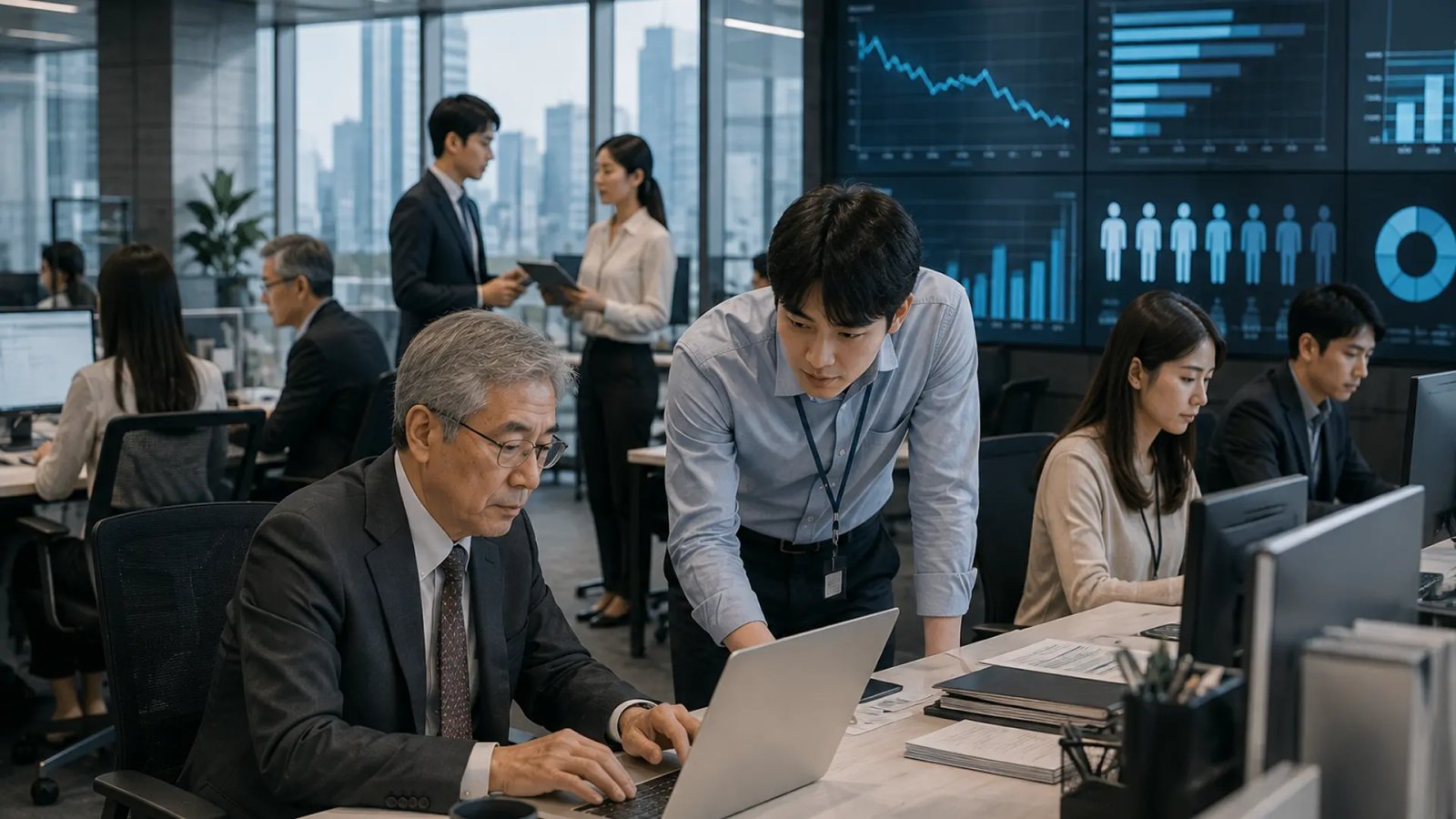
South Korea's hiring trends highlight a broader workforce challenge: fewer opportunities for younger workers alongside longer careers for older employees. For employers, the shift underscores the importance of balancing workforce retention with sustainable entry-level hiring, succession planning and developing new skills as AI reshapes jobs.
South Korea's major companies have significantly reduced new hiring over the past two years, while the proportion of older workers has increased, highlighting a widening generational gap in the country's corporate workforce.
According to an analysis by Leaders Index, new hiring at 113 major companies that disclosed recruitment data fell 15.3%, from 109,456 in 2023 to 92,680 in 2025. The analysis covered employment data from 132 companies among South Korea's top 500 firms.
The shift is particularly visible among younger workers. Employment among workers aged 30 and under dropped by 13.8%, from 267,343 in 2023 to 230,434 in 2025. Their share of total employment declined from 21.2% to 18.3%.
Meanwhile, employment among workers aged 50 and over increased 4.8%, rising from 221,333 to 231,848. Their share of the workforce climbed from 17.5% to 18.4%, surpassing the share of workers aged 30 and under.
The trend was also reflected in recruitment. The proportion of new hires aged 30 and under declined from 56.4% in 2023 to 51.1% in 2025, while the share of new hires aged 50 and over increased from 8.3% to 11.2%.
Industries serving domestic consumers showed some of the largest generational differences. Workers aged 50 and over accounted for 31.8% of employment in retail, 30.6% in food and beverage, and 29.7% in construction and building materials.
However, the trend was not universal. Some companies that expanded recruitment also significantly increased hiring among younger workers. SK hynix, for example, increased new hires from 739 in 2023 to 3,201 in 2025, while youth hiring increased more than tenfold. Hanwha Aerospace and Kia also recorded substantial increases in hiring among younger workers.
Analysts say declining new recruitment, longer careers and delayed workforce turnover are contributing to the changing age structure. The continued adoption of artificial intelligence could further influence how companies structure their workforces and future hiring strategies.
Economic Times – HR · 1 month ago
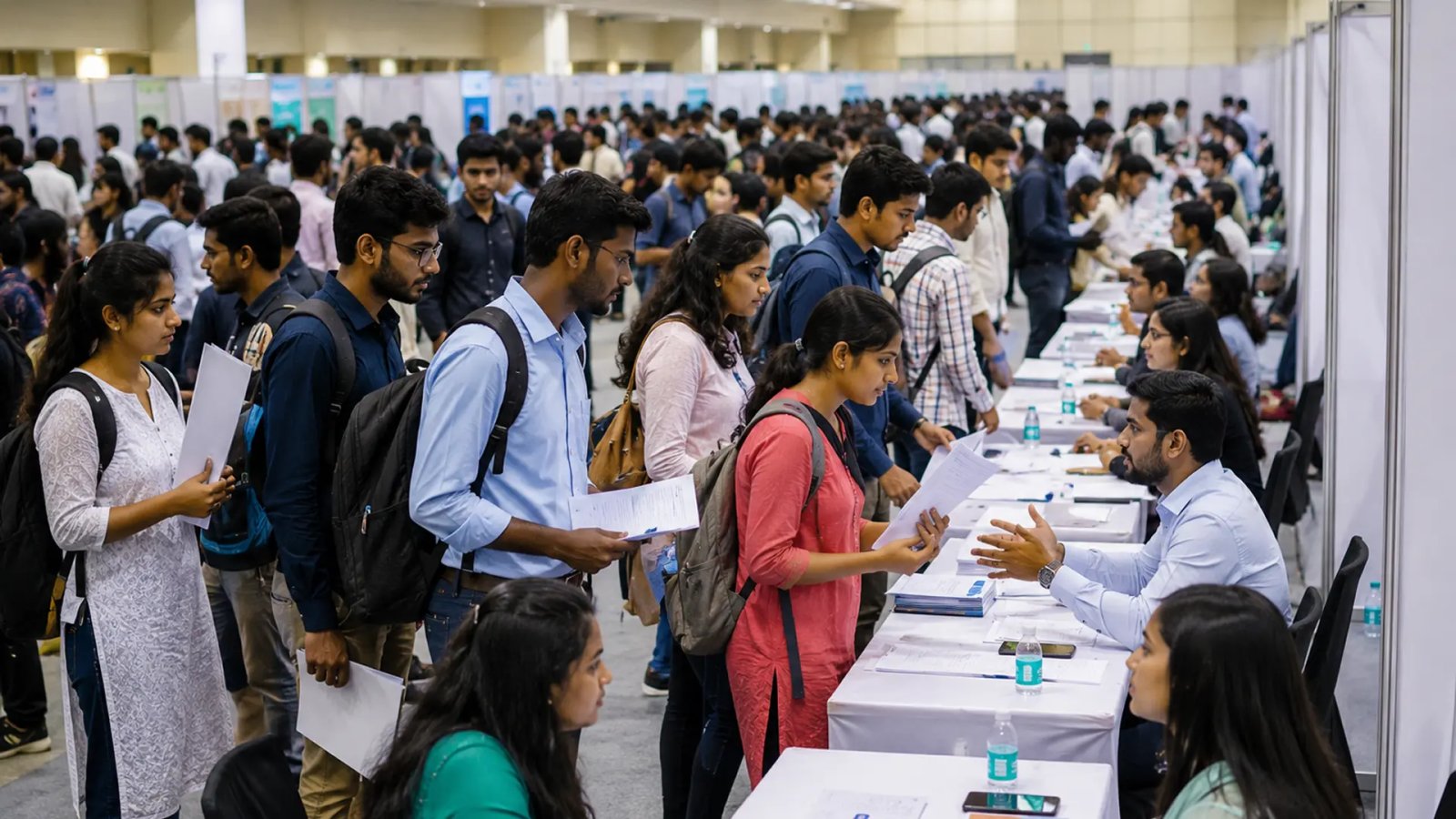
A mega job fair in Gajuwaka, Visakhapatnam, brought nearly 100 companies together with local job seekers and offered around 3,000 employment...
Reuters · 2 months ago
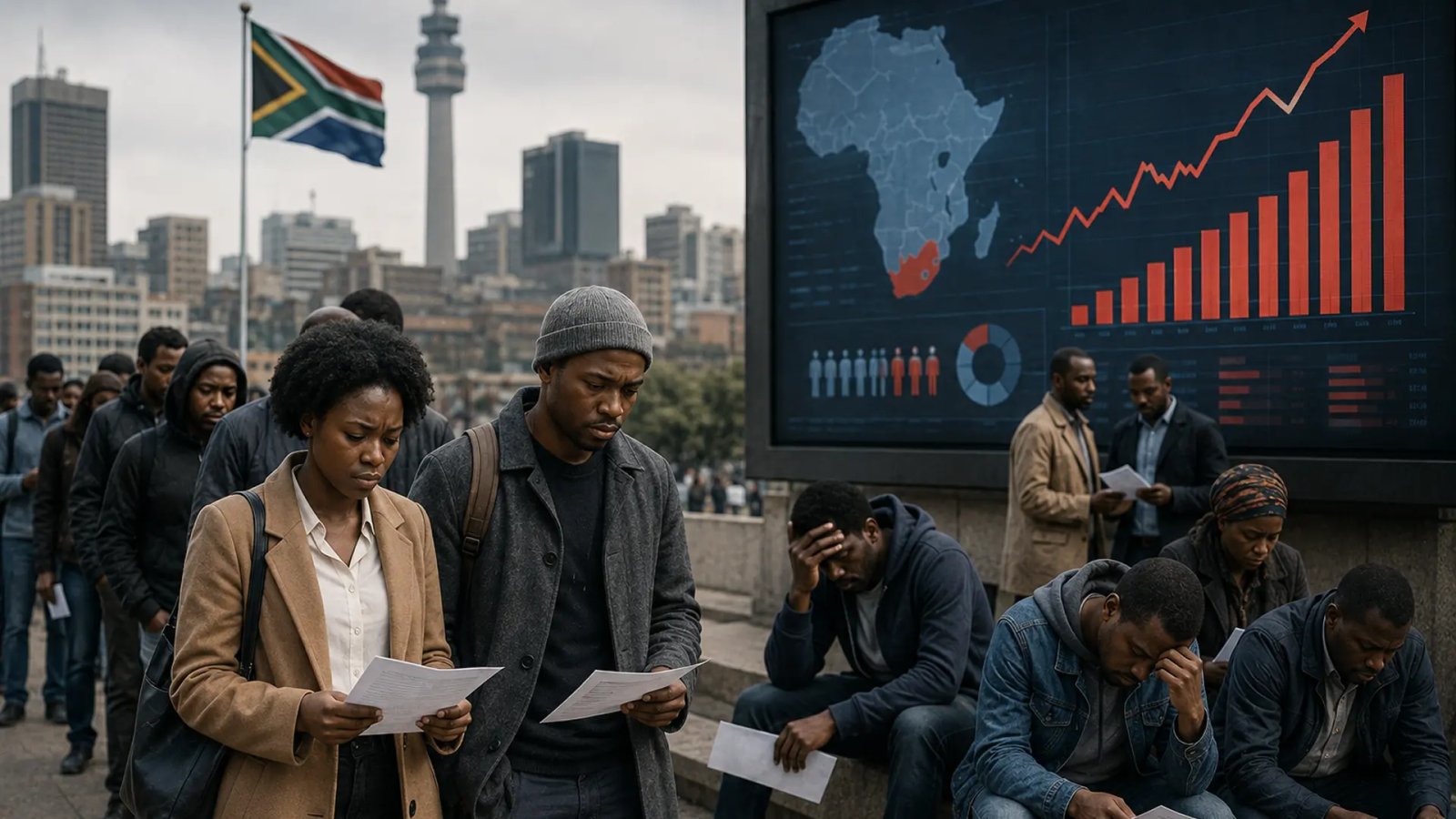
South Africa’s unemployment rate increased to 33.6% in Q2 2026 as the number of unemployed people reached 8.481 million. Job losses were rec...

BBC News · 5 months ago
The settlement marks a major development in one of the most closely watched international corporate investigations involving an Indian congl...
From MyDigiFolio
One profile. Resume, vCard, portfolio, and email signatures — all generated in 3 minutes.
Build your page — freeWe use essential cookies for login and preferences, and optional cookies for analytics. Privacy policy.