CAREERS
China’s Expanding Gig Economy Reflects Employment Challenges and Welfare Concerns
MyDigiFolio Editors
2 min read
CAREERS

China's flexible employment sector continues to expand as workers seek income opportunities amid a challenging labour market. While gig work provides an employment safety net, economists and policy experts say stronger social protection remains a growing concern.
China's gig workforce is growing rapidly as more people move away from traditional full-time jobs amid a difficult employment market. Workers affected by layoffs, limited hiring, and increased competition are increasingly taking up flexible roles such as ride-hailing and food delivery.
One such worker is Bao Zhang, who began driving for a ride-hailing platform after losing his software testing job. He now works long hours in Beijing and earns around 6,000 yuan per month after covering vehicle rental and charging expenses. He says he sees little opportunity to return to the technology sector.
According to the China New Employment Forms Research Center, the number of people in flexible employment is expected to reach 320 million in 2026, up from 280 million in 2025. These workers account for roughly 44% of China's workforce.
Researchers say gig work has become an important source of employment as the property slowdown, factory automation, weak domestic demand, and wider use of artificial intelligence reduce opportunities in traditional industries. The trend is no longer limited to migrant workers, with more university graduates and former white-collar professionals joining the sector.
Experts also warn that the growing reliance on gig work presents long-term challenges for China's social security system because many flexible workers do not make regular contributions to pension and medical insurance schemes. Government advisers say finding a balance between improving worker protection and maintaining job creation will be difficult.
Participation in formal social insurance remains low among gig workers, with many preferring to manage their own savings instead of contributing to public programs. Economists caution that lower job security and income uncertainty could weigh on consumer spending and broader economic growth.
At the same time, rising competition within the gig economy is putting pressure on earnings. While food delivery workers saw average hourly income increase in 2025, ride-hailing drivers experienced declining wages, and several Chinese cities have recently warned that their ride-hailing markets are becoming oversupplied.

The Economic Times · 12 hours ago
ICICI Life Insurance plans to onboard 20,000 women financial advisors nationwide by the close of FY2027 under its flagship Narishakti initia...

The Times of India · 12 hours ago
UCO Bank has announced 530 apprentice positions across India under the Apprentices Act, 1961, with the application window open until October...
The Economic Times · 1 day ago
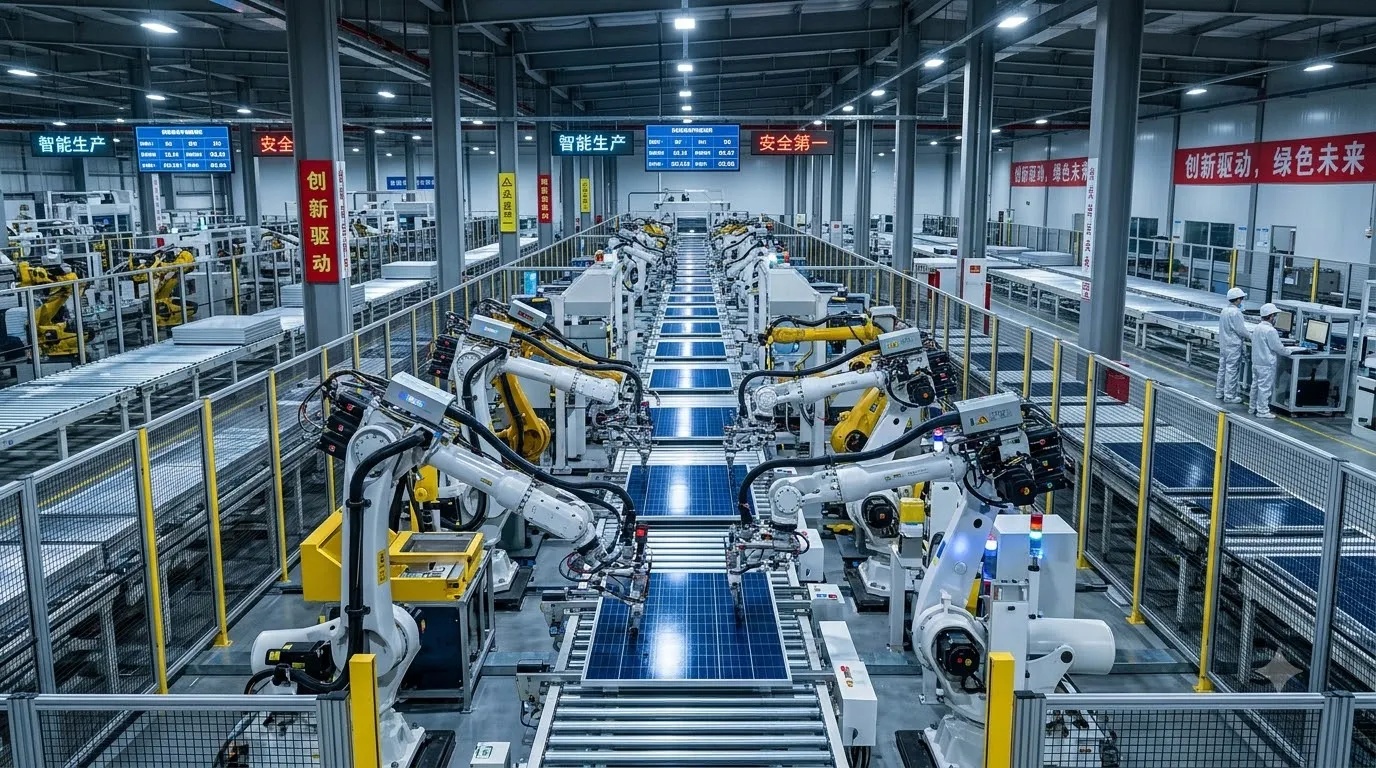
China’s top five solar manufacturers slashed their combined workforce by 21%—shedding 40,589 jobs—as severe domestic overcapacity roughly do...
From MyDigiFolio
One profile. Resume, vCard, portfolio, and email signatures — all generated in 3 minutes.
Build your page — freeWe use essential cookies for login and preferences, and optional cookies for analytics. Privacy policy.