AI & TECH
China’s Push to Protect Jobs Could Slow AI Adoption, Analysts Warn
MyDigiFolio Editors
2 min read
AI & TECH
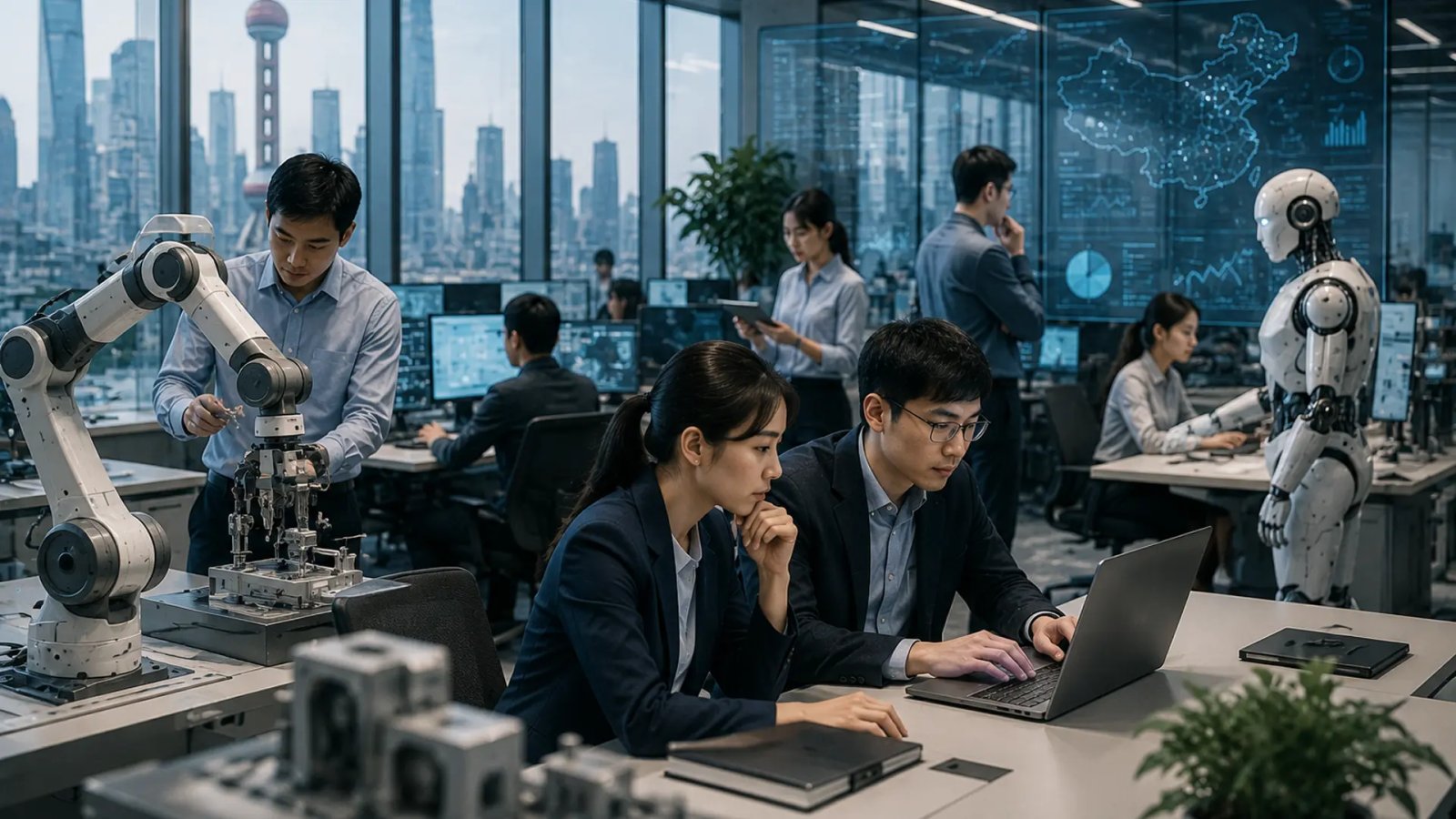
China is pursuing two goals at once: expanding AI use across industries while maintaining employment stability. Analysts say that balancing automation with job protection may make it harder for companies to realize the full efficiency benefits of AI.
China’s Push to Protect Jobs Could Slow AI Adoption, Analysts Warn
China is promoting wider use of artificial intelligence across major industries while simultaneously urging businesses to avoid large-scale workforce reductions. According to analysts, these competing objectives could limit the productivity improvements that AI is expected to deliver.
Authorities have set ambitious targets for AI deployment and innovation. At the same time, policymakers have emphasized the importance of minimizing the impact of technological change on employment, reflecting concerns about labor market stability.
Major technology companies have publicly expressed support for preserving jobs. JD.com founder Richard Liu recently said the company would make every effort to protect its large workforce from automation-related displacement.
However, companies with extensive logistics and operational networks stand to gain significantly from advances in AI and robotics. JD.com has previously highlighted the growing role of automation within its sorting operations, where machines now perform many tasks once handled by workers.
Other firms are facing similar challenges. Alibaba has continued investing heavily in AI despite the financial pressure associated with those efforts. Reports indicate that some companies have begun reducing staff numbers gradually through attrition and selective workforce adjustments.
Employment concerns remain a major issue for policymakers. Estimates from Citibank suggest that around 70 million jobs in China are highly exposed to AI-related disruption. The issue is drawing additional attention as youth unemployment remains elevated and millions of new graduates prepare to enter the labor market.
Maintaining employment is also seen as important for supporting consumer spending. Recent official data showed a decline in retail sales, underscoring broader economic challenges.
Against this backdrop, analysts argue that Chinese companies may face greater limitations in capturing AI-driven efficiency gains than some of their Western counterparts, potentially affecting the pace of innovation over the longer term.
Moneycontrol · 2 days ago
Young workers appear to be facing a greater impact from AI-related changes in hiring, particularly in occupations where more tasks can be au...

Reuters · 2 days ago
Meta's attempt to rapidly reshape its workforce around AI faced resistance from employees and challenges with the technology itself. The com...
ABC11 / WTVD · 4 days ago
AI is beginning to influence not only how work is performed but also the career and education choices people make before entering the workfo...
From MyDigiFolio
One profile. Resume, vCard, portfolio, and email signatures — all generated in 3 minutes.
Build your page — freeWe use essential cookies for login and preferences, and optional cookies for analytics. Privacy policy.