BUSINESS
Next CEO warns UK faces dramatic fall in entry-level jobs
MyDigiFolio Editors
3 min read
BUSINESS
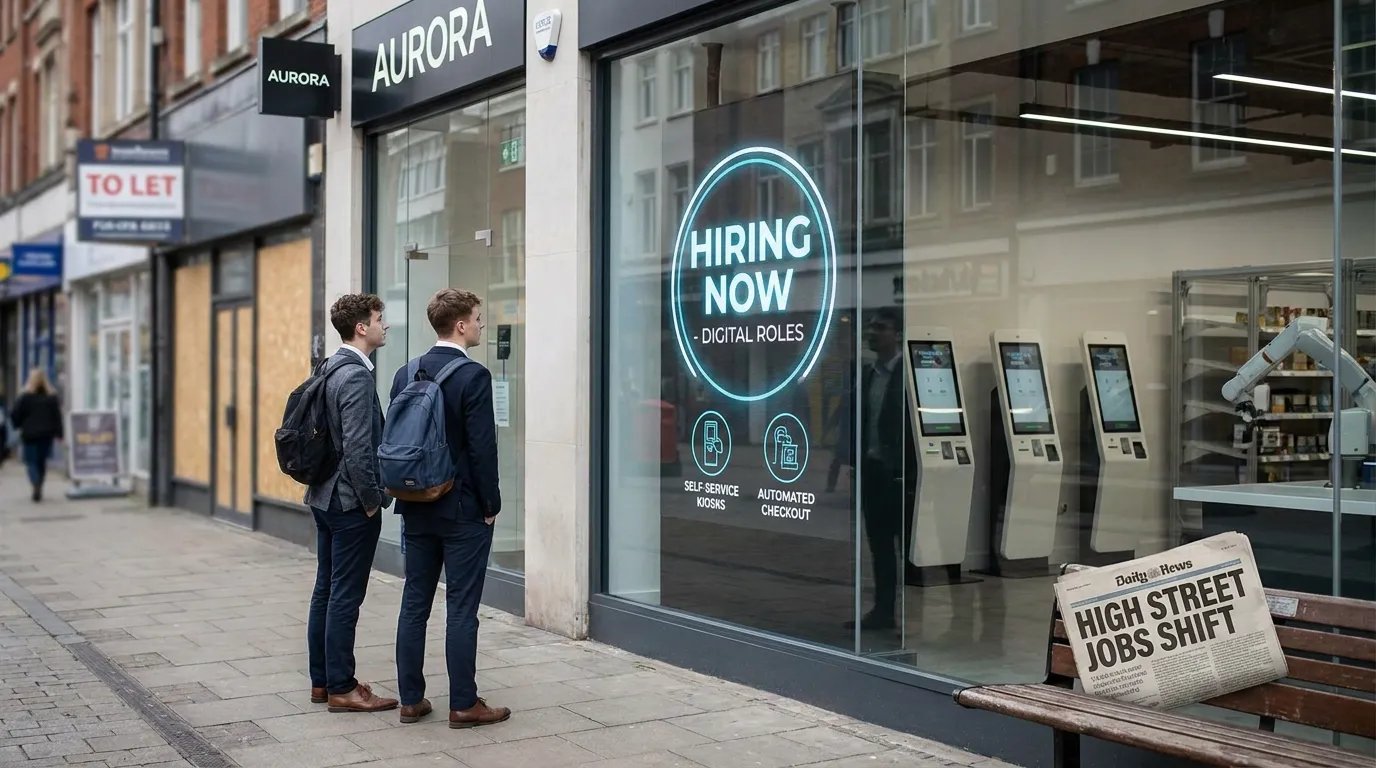
The warning from one of the UK’s largest retailers highlights growing pressure on youth employment as businesses increasingly automate operations and become more cautious about hiring amid rising labour costs and economic uncertainty.
Next chief executive Lord Simon Wolfson has warned that the UK is experiencing a “dramatic fall” in entry-level job opportunities, particularly affecting young people seeking their first work experience in retail and hospitality sectors.
Speaking to the BBC, the Next boss said the retailer has seen applications for shop-floor roles nearly double in just two years. According to Wolfson, Next previously received around 10 applications per store vacancy, but that number has now surged to 19 applicants per role, reflecting increasing pressure in the youth employment market.
The warning comes as UK youth unemployment for people aged 16 to 24 has climbed to 16.2%, the highest level since 2014 and significantly above the broader national unemployment rate.
Lord Wolfson blamed a combination of rising employer costs, slower economic growth and upcoming labour law reforms for making businesses more cautious about hiring lower-paid and part-time staff.
He criticised the government’s increase in employer National Insurance contributions and minimum wage rises, arguing that these policies are raising operational costs at a time when businesses are already facing economic uncertainty.
The Next CEO also raised concerns about the UK government’s planned restrictions on zero-hours contracts under the Employment Rights Act. The reforms aim to provide workers with guaranteed hours and more predictable schedules, but Wolfson warned the changes could reduce flexibility for retailers during seasonal demand periods such as Christmas shopping.
He explained that retailers traditionally rely on flexible staffing models to adjust workforce levels throughout the year and suggested the new rules may discourage businesses from offering additional hours to students and casual workers.
Alongside labour cost pressures, Wolfson highlighted the increasing role of automation and technology in retail operations. Next has been expanding self-service return lockers, digital systems and automation tools while operating with fewer staff inside physical stores. At the same time, the company’s online business continues to grow strongly.
Despite criticism from some groups regarding corporate profits, Wolfson defended Next’s business model, arguing that maintaining profitability is essential for survival in the modern retail market. He noted that many traditional high street brands have disappeared over the past two decades, while Next has continued expanding through acquisitions of struggling brands such as Joules, Cath Kidston, FatFace and Made.com.
The UK government defended its labour reforms, saying the changes are designed to improve worker security and tackle exploitative employment practices. Officials also pointed to a £2.5 billion youth employment support package intended to create more opportunities for young workers nationwide.
Trade unions backed the reforms, arguing that guaranteed-hours protections would help workers facing unstable employment conditions and unpredictable income.
Economic analysts say the debate reflects a broader challenge facing developed economies as businesses balance rising labour costs, automation adoption and changing employment laws while younger workers struggle to enter the job market.
Reuters · 2 weeks ago
The potential Workday deal highlights how AI is reshaping the value of traditional enterprise software. For HR technology, the development i...

Reuters · 2 weeks ago
A stable inflation reading could ease pressure on businesses facing higher borrowing costs. For employers, interest-rate expectations may in...

Reuters · 2 weeks ago
U.S. inflation remained relatively subdued in July, with lower gasoline prices helping limit the monthly increase in consumer prices. Howeve...
From MyDigiFolio
One profile. Resume, vCard, portfolio, and email signatures — all generated in 3 minutes.
Build your page — freeWe use essential cookies for login and preferences, and optional cookies for analytics. Privacy policy.