BUSINESS
Verizon to Divest 274 Retail Stores and Cut Around 500 Corporate Positions
MyDigiFolio Editors
2 min read
BUSINESS
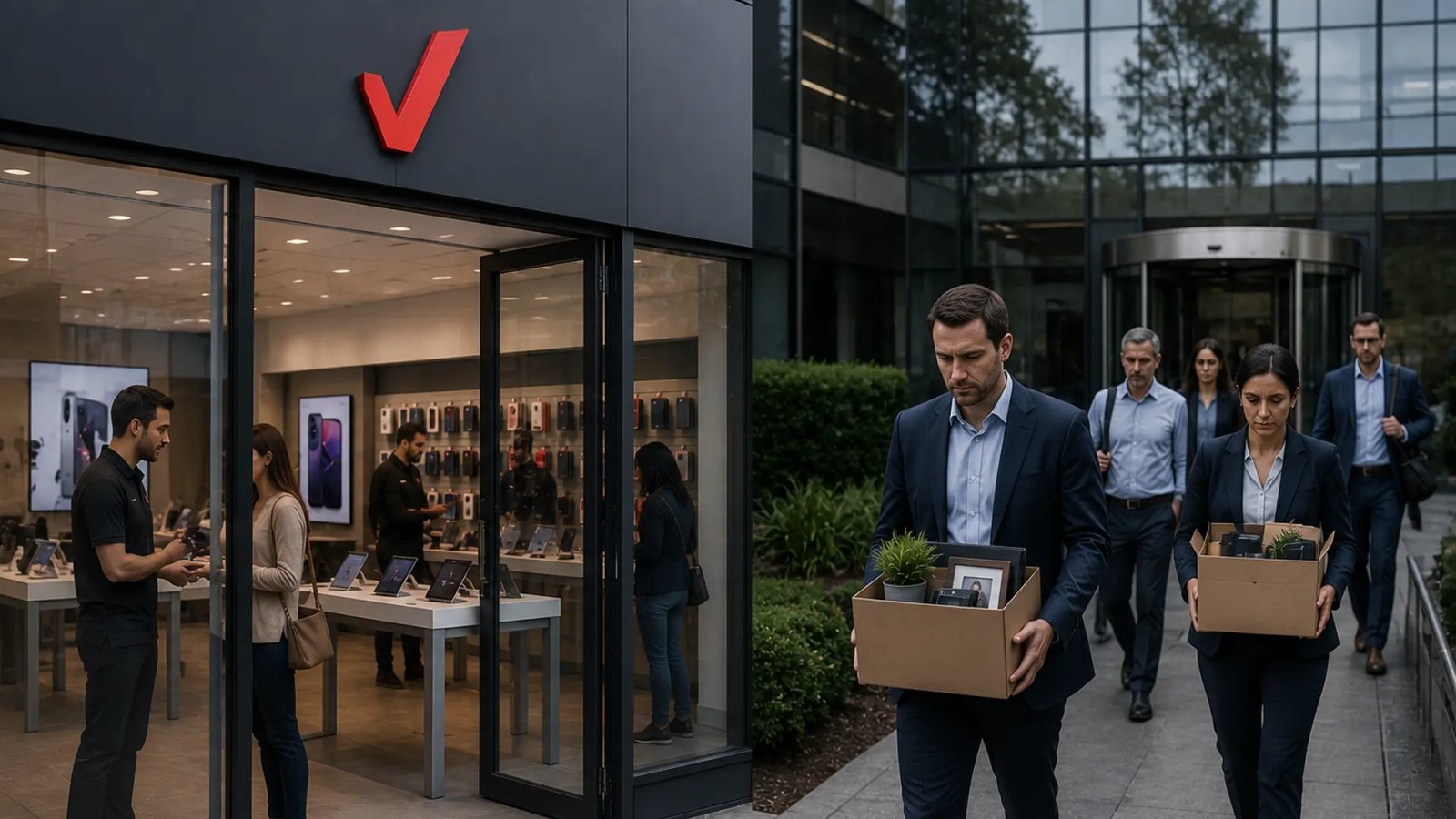
Verizon is continuing its restructuring strategy by reducing its company-owned retail footprint and trimming corporate staff. The company is also focusing on franchise partnerships, simplified service plans, and network expansion to remain competitive in the U.S. wireless market.
U.S. wireless carrier Verizon announced plans to sell 274 company-owned retail stores and reduce its corporate workforce by approximately 500 employees as part of an ongoing restructuring initiative.
The changes are expected to impact roughly 3,000 retail and corporate employees. Following the transaction, which is scheduled to take effect on August 16, Verizon will continue to operate about 1,000 company-owned stores.
The company noted that during previous store sales, around 70% of affected retail employees accepted positions with the franchise operators that took over those locations. Verizon said six major operators currently manage most of its franchised retail network.
In a message to employees, Verizon stated that it is working closely with franchise owners overseeing approximately 5,000 stores to improve the customer experience across those locations.
The latest move follows Verizon's earlier restructuring efforts. In November, the company sold 179 corporate-owned stores to franchise operators and closed one additional location. It also carried out several hundred job cuts in May after previously announcing plans to eliminate more than 13,000 positions.
Dan Schulman, who became Verizon's CEO in October after serving on the company's board since 2018, is leading the business through a competitive U.S. telecom market. Verizon continues to compete with AT&T and T-Mobile, where providers have increased spending on network infrastructure while offering device incentives and discounted plans.
Last month, Verizon introduced simpler wireless plans, removed activation and upgrade fees, and launched a new loyalty program featuring customer discounts and additional benefits.
In May, Verizon, AT&T, and T-Mobile also agreed to establish a joint venture focused on expanding wireless coverage in underserved rural areas through satellite-based technology. Industry analysts have suggested the partnership may also help the carriers respond to potential future competition from SpaceX's Starlink service.

The Hindu · 2 weeks ago
U.S. President Donald Trump has announced that Essar Group subsidiary Mesabi Metallics will invest $15 billion to build the largest steel mi...

Reuters · 3 weeks ago
US jobless claims remained near historically low levels in mid-September, suggesting the labor market has regained stability despite ongoing...

Reuters · 1 month ago
Adyen is planning further expansion and hiring in India as it targets the country's growing digital payments and cross-border commerce marke...
From MyDigiFolio
One profile. Resume, vCard, portfolio, and email signatures — all generated in 3 minutes.
Build your page — freeWe use essential cookies for login and preferences, and optional cookies for analytics. Privacy policy.