CAREERS
AI Could Reshape Entry-Level Jobs and Change How Careers Begin
MyDigiFolio Editors
3 min read
CAREERS

AI could change more than individual jobs—it could alter how young professionals enter and progress through their careers. As routine entry-level work becomes easier to automate, apprenticeships and higher education may need to provide new ways for workers to build practical experience and develop expertise.
The widespread job losses once predicted from artificial intelligence have not yet emerged, but AI is already changing the labour market. As businesses use AI for routine and well-defined tasks, entry-level positions that traditionally involve such work are facing greater pressure.
Early-career employees typically begin by handling simpler responsibilities before progressing into roles that require greater expertise, judgment and domain knowledge. In IT, for example, junior professionals may start with basic coding, debugging and documentation before moving toward system architecture and engineering standards.
These routine assignments are more than just initial work experience. They help employees develop the technical foundation needed for more complex responsibilities. However, as AI becomes capable of handling such tasks efficiently, companies may have less reason to hire people for some entry-level positions.
Research cited in a 2026 Stanford study of the US labour market points to this shift. Employment among workers aged 22–25 in occupations highly exposed to AI was around 19% below the level expected based on employment trends among similarly aged workers in less AI-exposed occupations. More experienced employees did not show a similar gap, as their roles also depend on judgment and specialised knowledge that AI can complement.
Although the evidence comes from the US, similar pressures could emerge in India as workplace AI adoption increases. Microsoft’s Work Trend Index 2026 reported that India is among the faster adopters of workplace AI, with 34% of organisations having agent workflows, compared with 26% globally.
This creates a challenge for policymakers: the issue is not only whether AI replaces young workers, but whether it reduces opportunities for them to gain the experience needed to become future experts. Addressing this would require changes to education, skills development and hiring approaches, although such reforms would take time.
Apprenticeships could provide an immediate pathway for graduates to gain practical experience and move beyond routine work. However, AI also creates a problem for traditional apprenticeship models. If the tasks apprentices are being trained to perform can be automated, companies may have less incentive to hire them.
India's apprenticeship system already faces challenges. The two major national programmes are the National Apprenticeship Promotion Scheme (NAPS) and the National Apprenticeship Training Scheme (NATS). The number of apprentices engaged under NAPS increased from 3.08 lakh in 2020–21 to 9.86 lakh in 2024–25, but NITI Aayog's 2026 assessment found that completion rates have declined.
For NAPS, completion among male apprentices fell from 92.14% in FY 2018–19 to 59.6% in FY 2023–24, while the rate for female apprentices declined from 82.33% to 60.8% over the same period.
Apprenticeships also remain relatively uncommon among Indian businesses. The Economic Survey 2025–26 reported that around 6,100 enterprises were actively involved in apprenticeship training, compared with 5.2 lakh registered small and medium enterprises.
To prepare young workers for an AI-driven labour market, apprenticeship may need to expand beyond its traditional focus on manual and vocational occupations. One approach would be to bring apprenticeships into graduate education, allowing students to gain workplace experience before completing their degrees.
In an AI-enabled workplace, students could use AI to support routine activities such as data preparation, research, documentation and initial analysis, while also checking the quality of AI-generated results. The purpose, however, would not be to keep apprentices limited to routine responsibilities, but to help them progress toward more advanced skills.
The larger challenge is therefore to redesign the career ladder rather than simply protect traditional entry-level jobs. As AI changes the value of routine work, education and workplaces may need to create new ways for young people to gain the experience required to develop expertise and professional judgment.
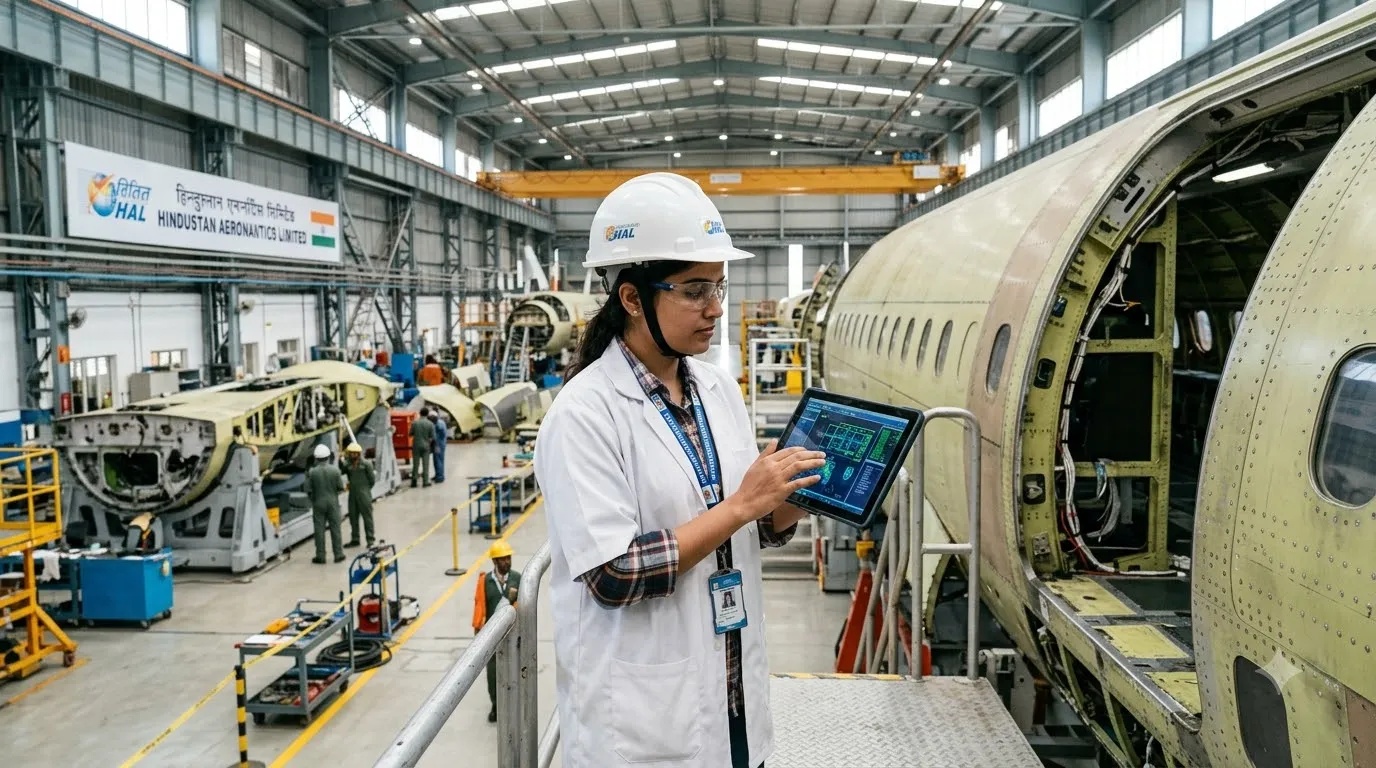
The Times of India · 6 days ago
Hindustan Aeronautics Limited is concluding the application window for 150 Junior Executive (Grade E0) positions across nine engineering str...
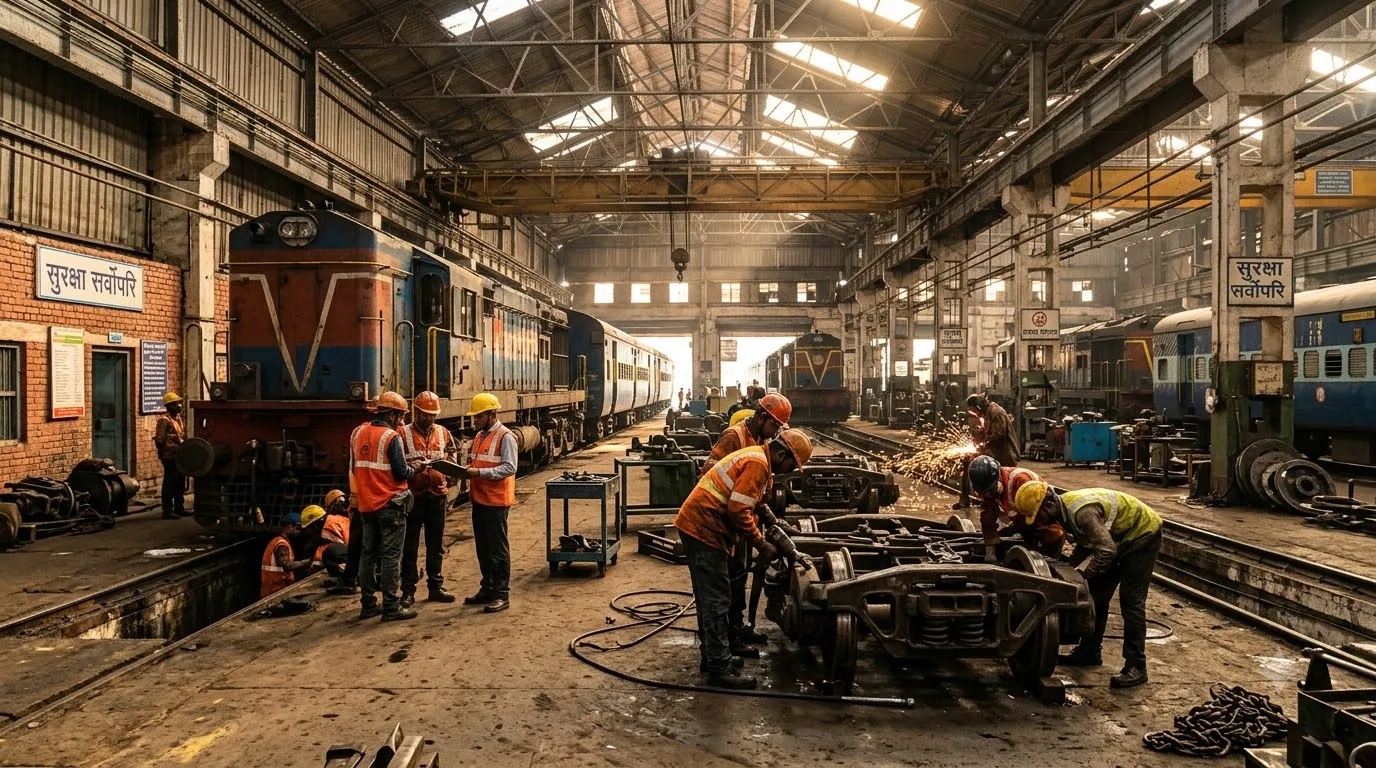
The Times of India · 6 days ago
The Railway Recruitment Board has expanded Technician Grade-III positions from 6,234 to 7,002 across multiple railway zones, adding 768 tech...

The Economic Times · 1 week ago
ICICI Life Insurance plans to onboard 20,000 women financial advisors nationwide by the close of FY2027 under its flagship Narishakti initia...
From MyDigiFolio
One profile. Resume, vCard, portfolio, and email signatures — all generated in 3 minutes.
Build your page — freeWe use essential cookies for login and preferences, and optional cookies for analytics. Privacy policy.