AI & TECH
Airbnb CEO Brian Chesky Says ‘Pure People Managers’ May Not Survive the AI Era
MyDigiFolio Editors
3 min read
AI & TECH
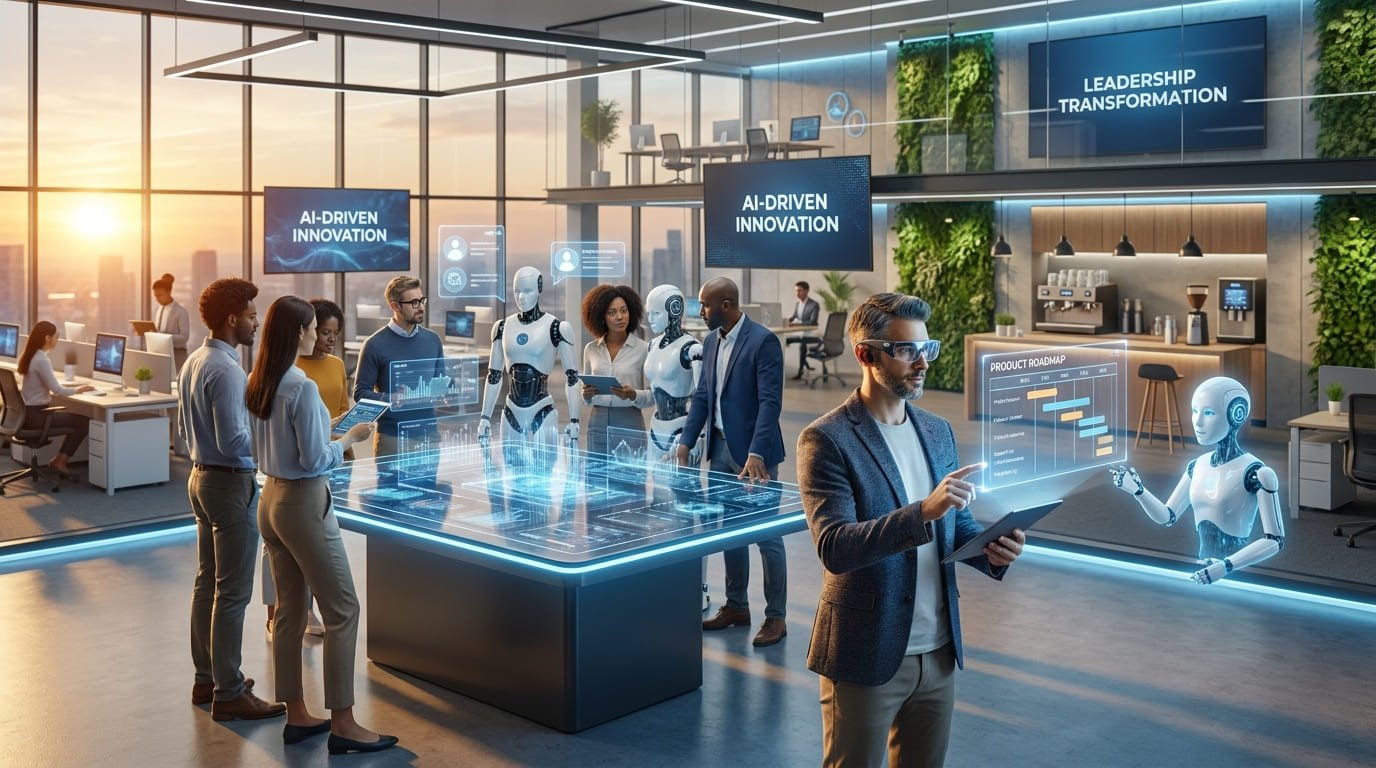
Brian Chesky believes the future workplace will reward professionals who actively adapt to AI tools while leaving behind workers resistant to change. The Airbnb CEO argues that traditional management roles focused only on supervising people may become obsolete as companies increasingly expect leaders to combine technical understanding, product involvement, and AI fluency.
Airbnb CEO Warns Workforce Must Adapt to AI-Driven Future
Airbnb, Inc. CEO Brian Chesky has warned that two categories of professionals may struggle to survive in the rapidly evolving AI era: “pure people managers” and workers unwilling to adapt to technological change.
Speaking on the “Invest Like The Best” podcast, Chesky said artificial intelligence is fundamentally reshaping workplace structures, leadership expectations, and how employees contribute value inside organizations.
According to Chesky, managers who focus only on supervising teams without actively contributing to projects, products, or technical workflows may become less valuable as AI transforms operations.
‘Pure People Managers’ Could Lose Relevance
Chesky argued that future leaders will need to become hybrid contributors who combine management responsibilities with hands-on involvement in the work itself.
He described the future manager as a “manager individual contributor” — someone who not only leads teams but also understands the technical, creative, or operational context behind the work being produced.
The Airbnb CEO suggested that simply holding meetings, conducting one-on-one sessions, and managing employee relationships will no longer be enough in AI-driven companies.
Instead, leaders will need to:
Chesky cited former Apple Inc. design executive Jony Ive as an example of a leader who successfully balanced creative contribution and team leadership.
Workers Resistant to AI Face Growing Risk
Chesky also warned that employees who refuse to embrace AI technologies could face increasing career challenges.
However, he expressed optimism that workers willing to learn and develop a “growth mindset” can adapt successfully to the changing environment.
The comments align with broader warnings from major technology executives who believe AI adoption will transform nearly every profession over the coming years.
Tech Leaders Continue Stressing AI Adaptation
Several industry leaders have recently echoed similar views about AI and the future of work.
Anthropic PBC CEO Dario Amodei previously warned that AI could significantly disrupt entry-level white-collar jobs.
Meanwhile, Microsoft Corporation AI executive Mustafa Suleyman predicted that AI could automate large portions of professional work within the next several years.
NVIDIA Corporation CEO Jensen Huang has repeatedly stated that workers will not lose jobs directly to AI itself, but rather to people who know how to use AI effectively.
Similarly, Netflix, Inc. co-CEO Ted Sarandos recently said AI will likely favor creative professionals who integrate the technology into their work rather than ignore it.
AI Increasingly Shapes Workplace Expectations
The growing adoption of AI tools across industries is rapidly changing hiring priorities, leadership expectations, and workforce planning strategies.
Companies are increasingly seeking employees who combine:
Analysts say the shift may particularly impact middle-management structures as automation handles more coordination, reporting, and operational tasks traditionally managed by supervisors.
Key Highlights
Analytics India Magazine · 3 weeks ago
India’s data centre expansion is broadening employment demand beyond software and other traditional technology roles. The latest hiring data...

GlobeNewswire · 3 weeks ago
Paychex has expanded its WISE AI platform with WISE Hire, bringing AI-powered automation to recruiting and hiring workflows. The solution co...

Reuters · 3 weeks ago
Verizon is expanding its investment in AI workforce training to support job seekers, small businesses and educators across the U.S. The init...
From MyDigiFolio
One profile. Resume, vCard, portfolio, and email signatures — all generated in 3 minutes.
Build your page — freeWe use essential cookies for login and preferences, and optional cookies for analytics. Privacy policy.