AI & TECH
China’s Push to Protect Jobs Could Slow AI Progress
MyDigiFolio Editors
2 min read
AI & TECH
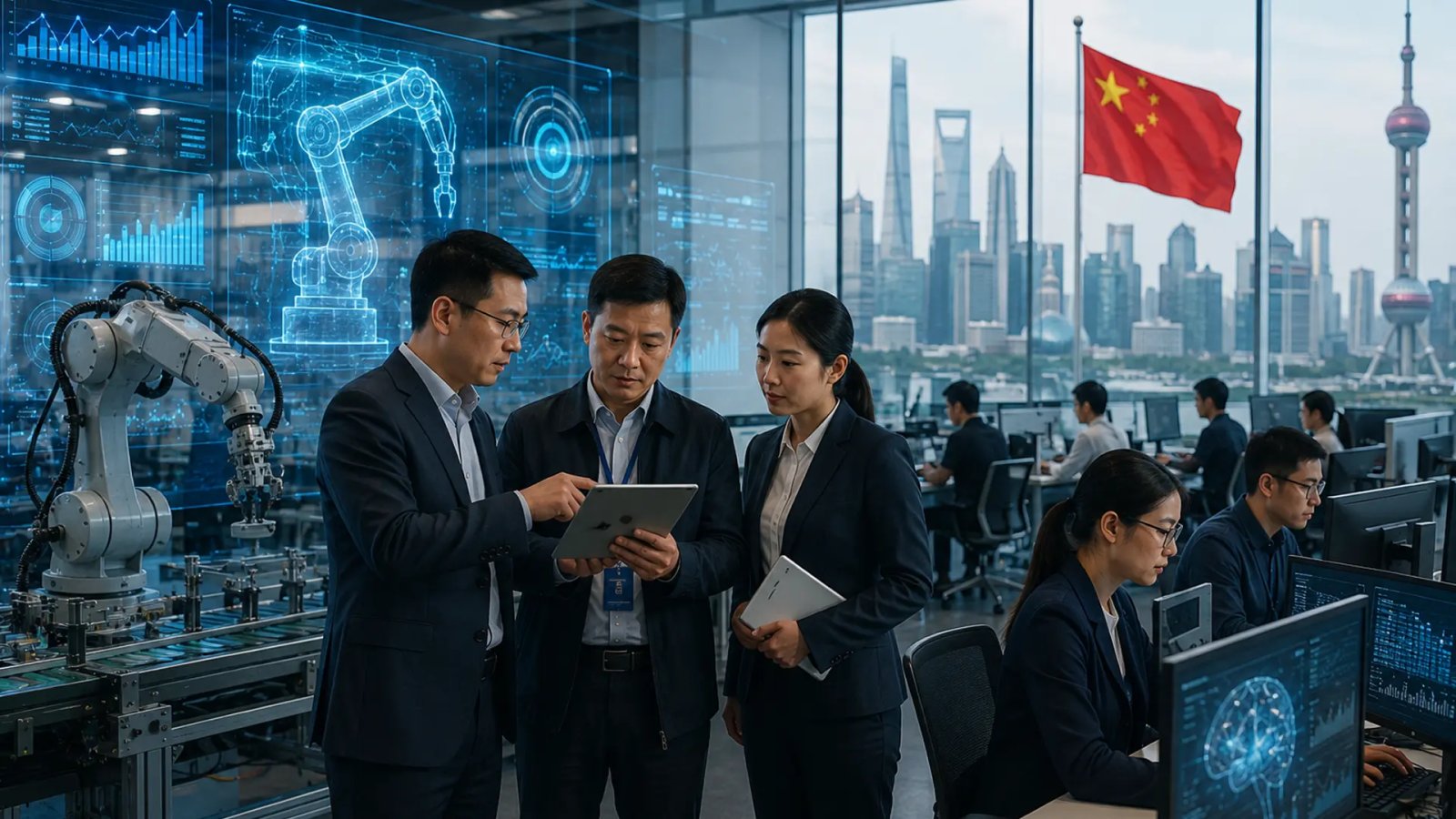
China is encouraging businesses to accelerate AI adoption while also discouraging large-scale workforce reductions. Analysts suggest that these competing priorities could make it harder for companies to fully capture the productivity benefits that automation offers.
China Faces a Balancing Act Between AI Growth and Employment
China is promoting the use of artificial intelligence across major industries while also emphasizing the importance of maintaining stable employment levels. This dual approach has created challenges for companies seeking to improve efficiency through automation.
Government officials have outlined ambitious goals for AI adoption and technological innovation. At the same time, authorities have urged businesses to minimize negative effects on employment, making workforce reductions a sensitive issue.
Large technology firms have publicly highlighted their commitment to protecting jobs. JD.com founder Richard Liu recently stated that the company would work to preserve employment opportunities despite ongoing advances in automation technologies.
However, businesses such as JD.com operate extensive logistics networks that could benefit significantly from AI-powered systems and robotics. The company has previously reported substantial automation in some of its sorting facilities, while its workforce has continued to expand in recent years.
Other major technology companies are also navigating similar pressures. Alibaba has increased spending on AI initiatives while reportedly reducing headcount gradually through attrition and selective cuts, according to a Reuters report.
The issue comes at a time when concerns about employment remain elevated. Estimates cited by Citibank suggest that millions of jobs could be exposed to AI-driven disruption, while youth unemployment remains a challenge and a record number of graduates are expected to enter the labor market this year.
With policymakers also focused on supporting consumer spending, maintaining employment stability remains a priority. Analysts note that these competing objectives could limit how aggressively Chinese companies deploy automation compared with some Western rivals.

Analytics India Magazine · 3 weeks ago
India’s data centre expansion is broadening employment demand beyond software and other traditional technology roles. The latest hiring data...

GlobeNewswire · 3 weeks ago
Paychex has expanded its WISE AI platform with WISE Hire, bringing AI-powered automation to recruiting and hiring workflows. The solution co...

Reuters · 3 weeks ago
Verizon is expanding its investment in AI workforce training to support job seekers, small businesses and educators across the U.S. The init...
From MyDigiFolio
One profile. Resume, vCard, portfolio, and email signatures — all generated in 3 minutes.
Build your page — freeWe use essential cookies for login and preferences, and optional cookies for analytics. Privacy policy.