CAREERS
India May Allow Companies to Hire Up to 25% Apprentices Under New Proposal
MyDigiFolio Editors
3 min read
CAREERS
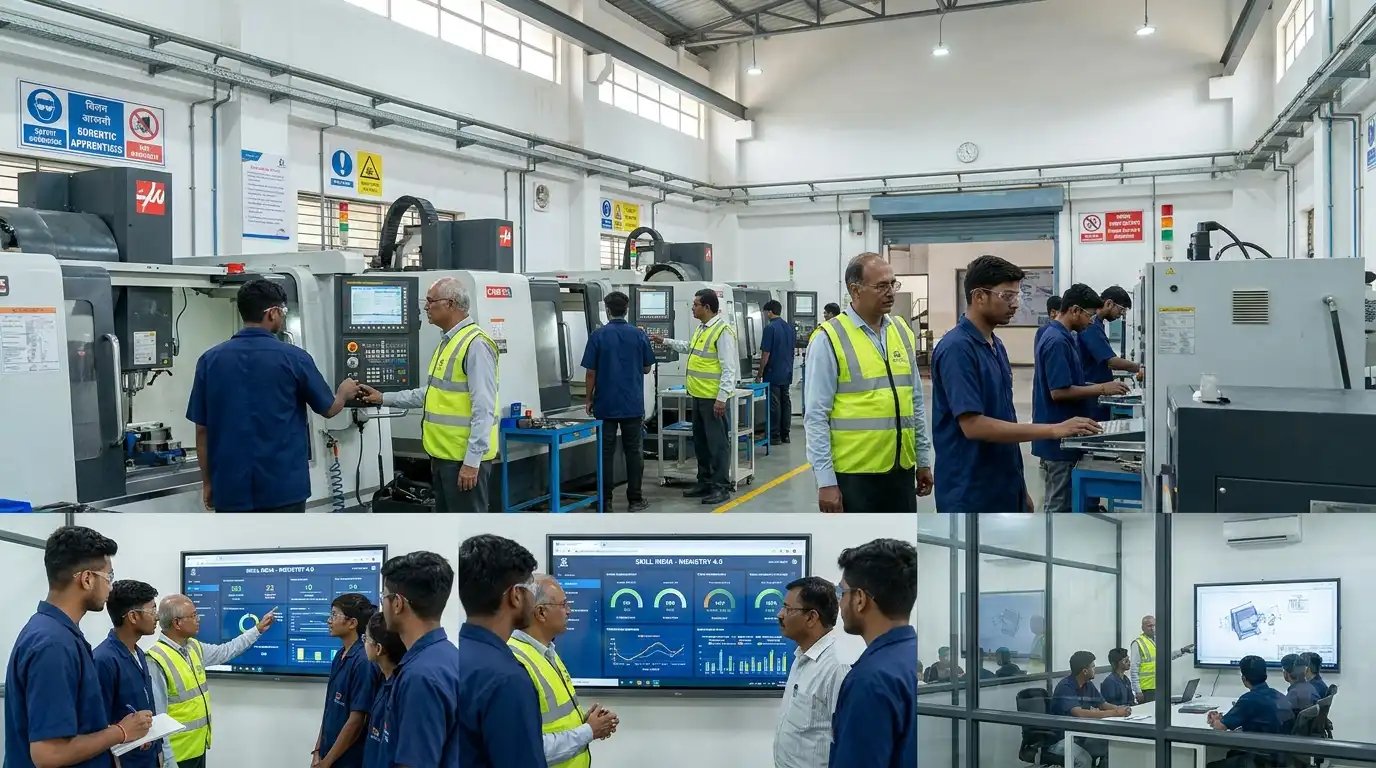
The Indian government is considering allowing large companies to increase apprentice hiring up to 25% of their workforce under stricter employment and wage conditions. The move is aimed at strengthening skill development, improving youth employability, and ensuring apprenticeships lead to real career opportunities rather than low-cost labor substitution.
Government Considering Expansion of Apprenticeship Hiring Limits
India’s Ministry of Skill Development and Entrepreneurship is exploring a proposal that would allow large companies to hire apprentices equivalent to up to 25% of their workforce.
Currently, establishments with 30 or more employees are required to maintain apprentices within a range of:
The proposed expansion would apply only under specific conditions designed to protect workers and improve long-term employability outcomes.
New Conditions Aimed at Preventing Exploitation
Debashree Mukherjee stated that companies seeking to raise apprenticeship limits would need to meet several requirements.
Proposed conditions include:
Officials emphasized the rules are intended to ensure apprentices are not treated as low-cost temporary labor.
Government Pushes Industry-Led Skill Development
The announcement came during the Confederation of Indian Industry Annual Business Summit.
The government is encouraging industries to work more closely with:
Officials believe stronger collaboration between businesses and training institutions can better align workforce skills with industry requirements.
MSME Sector Remains Key Challenge
Despite growth in apprenticeship programs, the government acknowledged that small and medium-sized businesses have been slower to adopt apprenticeship systems.
Authorities are urging large corporations to support smaller supplier networks and partner ecosystems in expanding apprenticeship opportunities.
Industry leaders say increasing participation among MSMEs could significantly boost:
PM-SETU Scheme Targets Vocational Training Modernization
The government also highlighted the ₹60,000 crore PM-SETU initiative aimed at modernizing 1,000 government Industrial Training Institutes across India.
The program focuses on:
The initiative forms part of India’s broader vision for “Viksit Bharat 2047.”
Migration and Worker Welfare Concerns Raised
Officials also discussed challenges faced by migrant workers moving from northern and eastern India to western and southern states for employment.
Concerns highlighted included:
The government called for stronger collaboration between public policy and private sector initiatives to improve working conditions and labor mobility support systems.
Apprenticeships Seen as Key Employment Strategy
India continues expanding apprenticeship programs as part of its larger workforce development strategy.
The country currently operates:
Together, these programs support an estimated three million apprentices across India.
Experts say apprenticeships are becoming increasingly important as industries adapt to:
Key Highlights

The Economic Times · 12 hours ago
ICICI Life Insurance plans to onboard 20,000 women financial advisors nationwide by the close of FY2027 under its flagship Narishakti initia...

The Times of India · 12 hours ago
UCO Bank has announced 530 apprentice positions across India under the Apprentices Act, 1961, with the application window open until October...
The Economic Times · 1 day ago
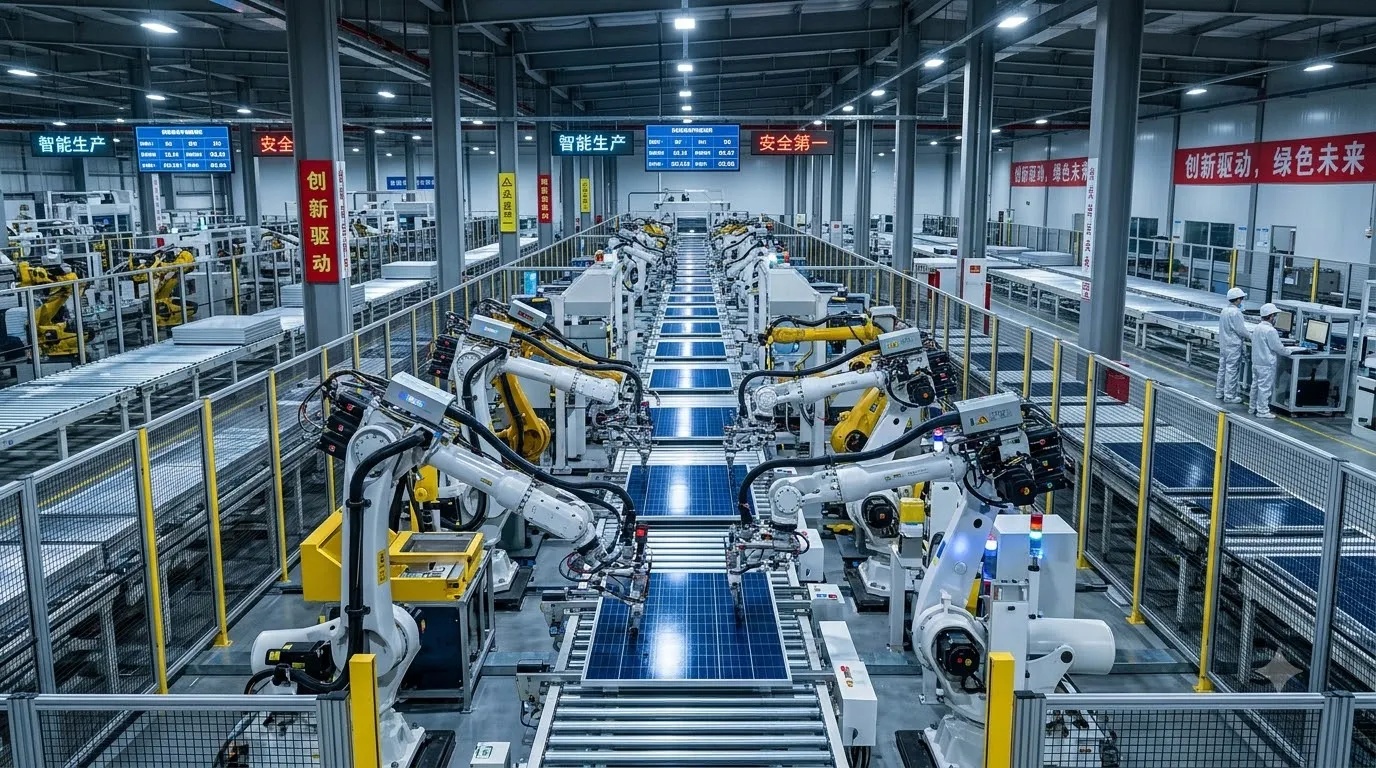
China’s top five solar manufacturers slashed their combined workforce by 21%—shedding 40,589 jobs—as severe domestic overcapacity roughly do...
From MyDigiFolio
One profile. Resume, vCard, portfolio, and email signatures — all generated in 3 minutes.
Build your page — freeWe use essential cookies for login and preferences, and optional cookies for analytics. Privacy policy.