IN BRIEF
India Raises Petrol, Diesel Prices After 4 Years as Middle East War Disrupts Oil Supplies
MyDigiFolio Editors
2 min read
IN BRIEF
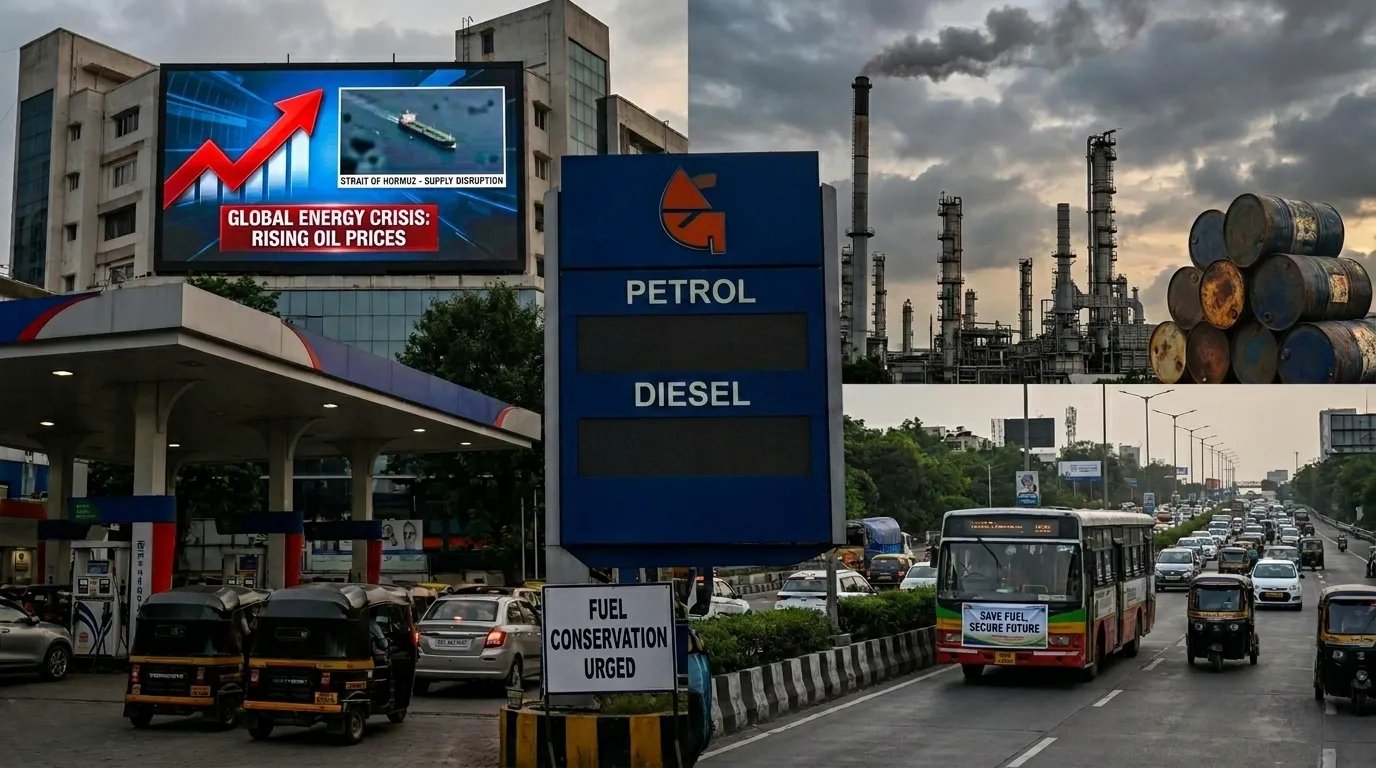
India’s fuel price hike highlights how geopolitical conflicts are directly impacting large energy-importing economies. Rising oil prices, shipping disruptions, and foreign exchange pressures are forcing governments to balance inflation control with energy security. The move could influence transportation costs, consumer spending, inflation trends, and economic activity across multiple sectors in the coming months.
India has increased:
marking:
The increase comes as:
New Fuel Prices
In Delhi:
State-run fuel retailers involved include:
These companies control:
Why Prices Increased
Global crude oil prices recently crossed:
before stabilising around:
India, which imports most of its crude oil needs, has faced:
due to the ongoing Middle East crisis.
Officials said the price hike is aimed at:
Fuel Conservation Measures
Prime Minister:
has urged citizens to:
Several Indian states have already:
to control fuel usage and public expenditure.
Economic Impact
Analysts believe:
but warned:
could increase over time.
Research agency:
has lowered its forecast for:
because higher prices and fuel-saving measures are expected to reduce consumption.
What Analysts Say
Experts noted that:
and further gradual increases could follow if:
The report also noted that:
before implementing the increase afterward.
Tags
The Economic Times · 10 hours ago
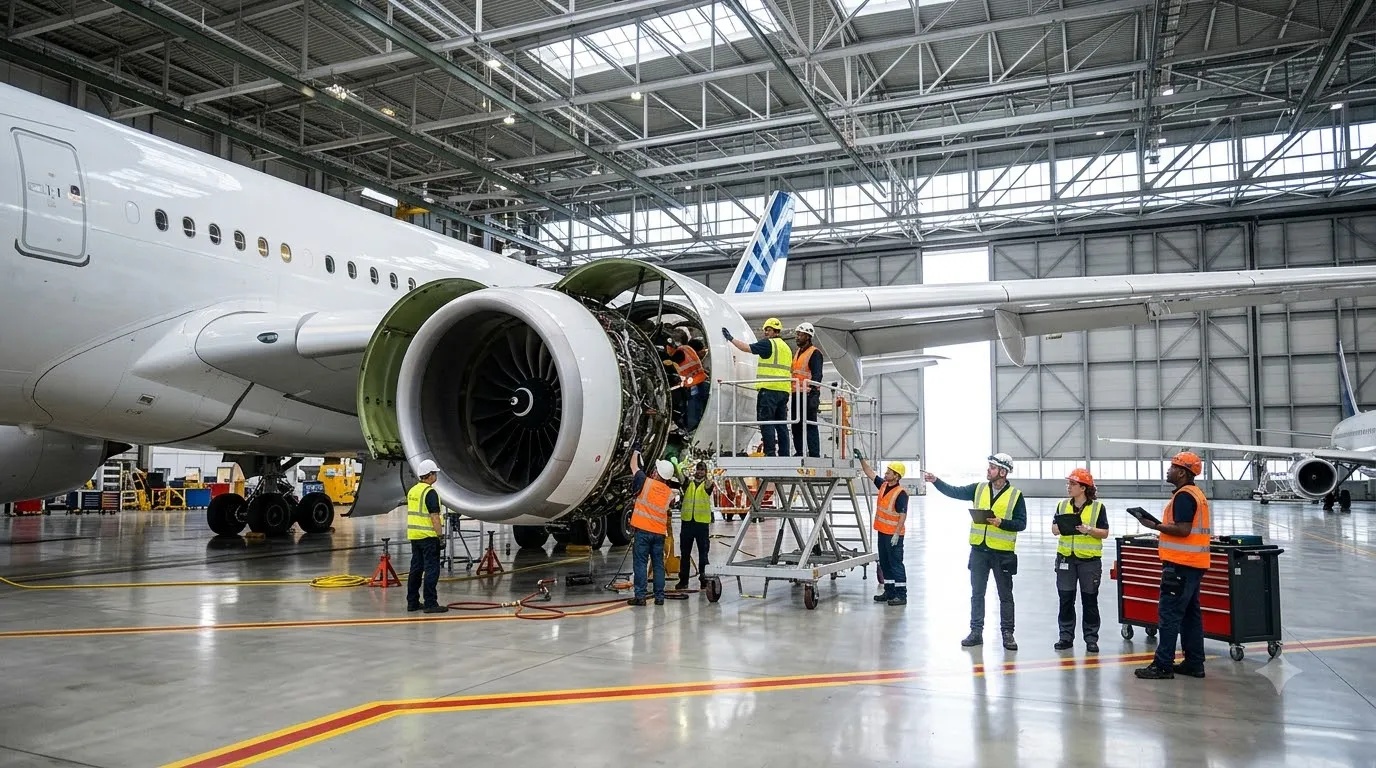
Airbus projects the global commercial aviation industry will need to recruit 2.44 million personnel over the next two decades, driven by acu...

NTUC · 2 weeks ago
At its sixth Labour Research Conference, Singapore's National Trades Union Congress (NTUC) introduced the Associate Researchers Circle (ARC)...
The Economic Times · 2 weeks ago
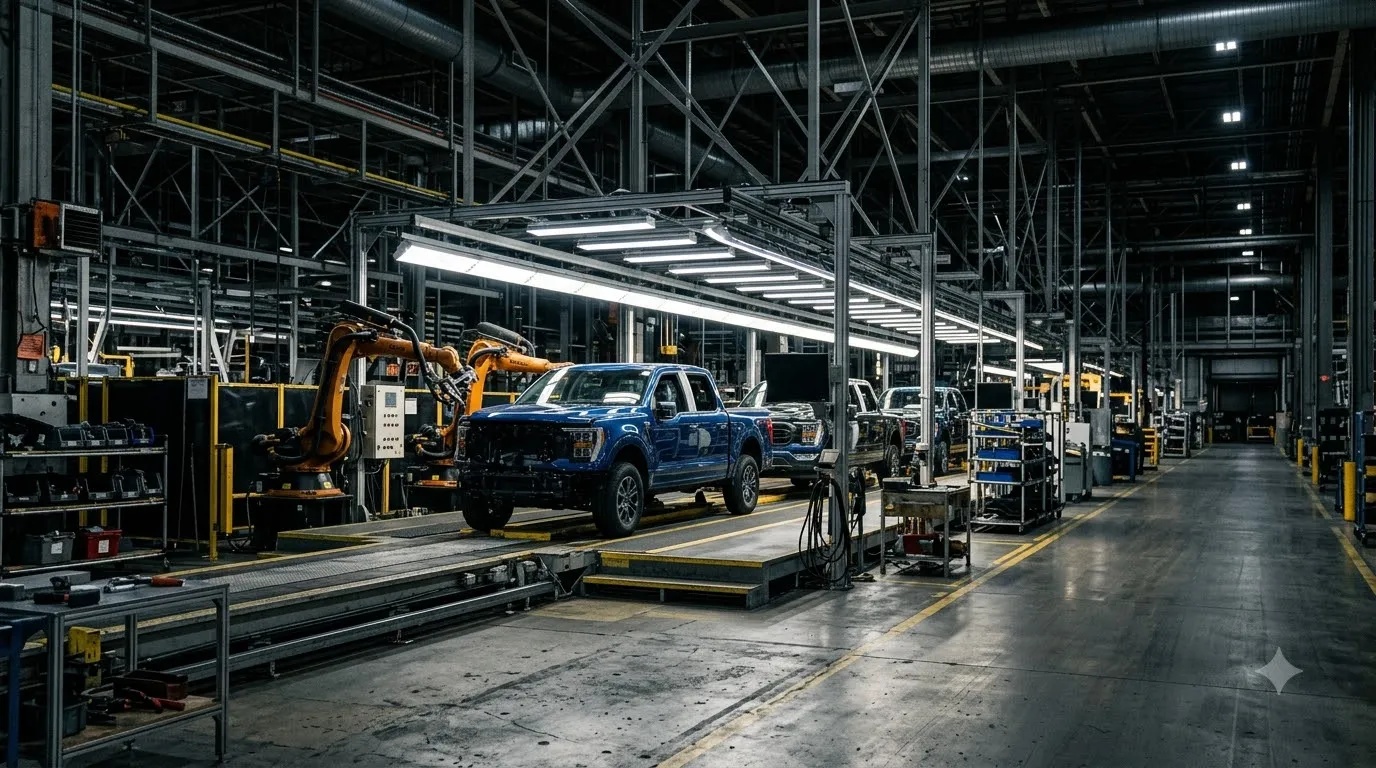
Ford has halted or dialed back production of its flagship F-150 truck across plants in Dearborn, Michigan, and Claycomo, Missouri, leaving t...
From MyDigiFolio
One profile. Resume, vCard, portfolio, and email signatures — all generated in 3 minutes.
Build your page — freeWe use essential cookies for login and preferences, and optional cookies for analytics. Privacy policy.