IN BRIEF
Trump Returns to a Stronger, More Assertive China as US-China Rivalry Deepens
MyDigiFolio Editors
4 min read
IN BRIEF
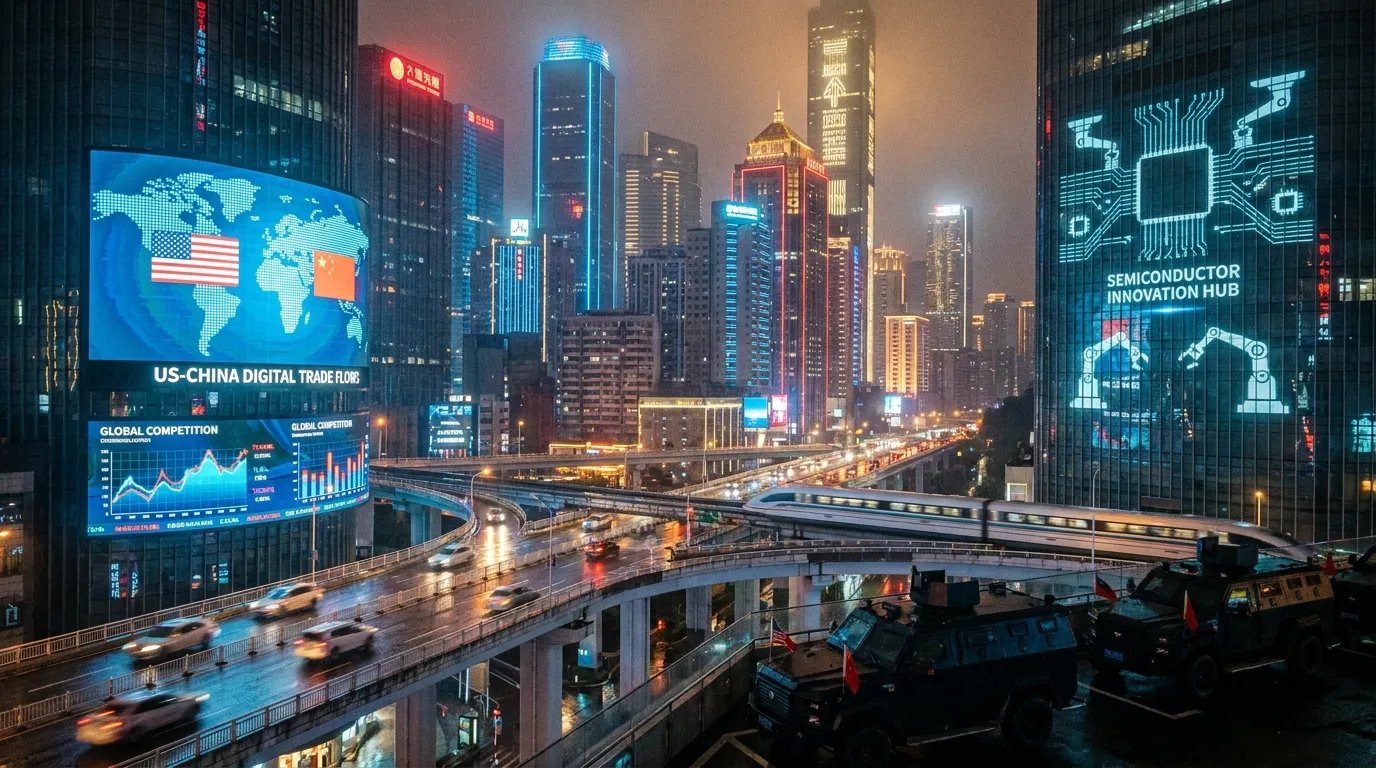
Nearly a decade after his first state visit to China, US President Donald Trump is returning to a country that has become significantly more powerful, technologically advanced and globally influential under Xi Jinping. The visit highlights intensifying competition between the world’s two biggest economies across trade, AI, energy, military influence and global diplomacy.
Trump Returns to a Very Different China
When Donald Trump last visited China in 2017, Beijing rolled out one of the grandest diplomatic receptions ever offered to a US president, including exclusive access to the:
This year’s visit is expected to be equally symbolic, with meetings planned inside:
However, analysts say the balance of power has shifted dramatically since Trump’s first trip.
China now presents itself not only as a rival to the US, but as:
Xi Jinping’s China Becoming More Assertive
Under Xi Jinping, China has accelerated investments into:
China’s long-term industrial strategy known as:
has transformed multiple regions into high-tech manufacturing hubs.
One of the strongest examples is:
which has evolved into one of China’s fastest-growing industrial and technological cities.
Chongqing Emerging as Symbol of China’s Future
Chongqing has become internationally famous for:
The city is increasingly described as:
China has invested billions of dollars into transforming Chongqing into:
US-China Competition Expanding Beyond Trade
The upcoming Trump-Xi meeting is expected to cover:
Experts say the rivalry has evolved from simple trade disagreements into:
China’s AI and Robotics Push Accelerating
China already operates:
The government reportedly plans to invest:
Chinese companies are aggressively expanding into:
However, China still depends heavily on advanced AI chips from:
making semiconductor access a major issue in US-China relations.
Electric Vehicles Becoming Strategic Weapon
China has rapidly become:
Companies in Chongqing say rising oil prices linked to Middle East tensions are accelerating EV adoption.
China’s EV growth is also supported by:
China Reducing Dependence on the US
China has spent recent years diversifying trade partnerships away from the United States.
According to the report:
Major trade growth has shifted toward:
Analysts say Beijing learned from earlier tariff wars and is now better prepared economically and strategically.
Soft Power and Tourism Expansion
China is also investing heavily in:
Cities like:
are becoming major international tourism destinations.
Economic Challenges Still Remain
Despite China’s technological rise, the country still faces:
The ongoing:
continue putting pressure on China’s economy.
Trump Seeking Diplomatic and Economic Wins
During the visit, Trump is expected to:
Analysts believe even a symbolic diplomatic success could help both leaders politically.
China Positioning Itself as Stable Global Power
The report notes that China is increasingly presenting itself internationally as:
especially in contrast to Trump’s:
Beijing has recently strengthened diplomatic ties with:
Key Highlights
The Economic Times · 10 hours ago
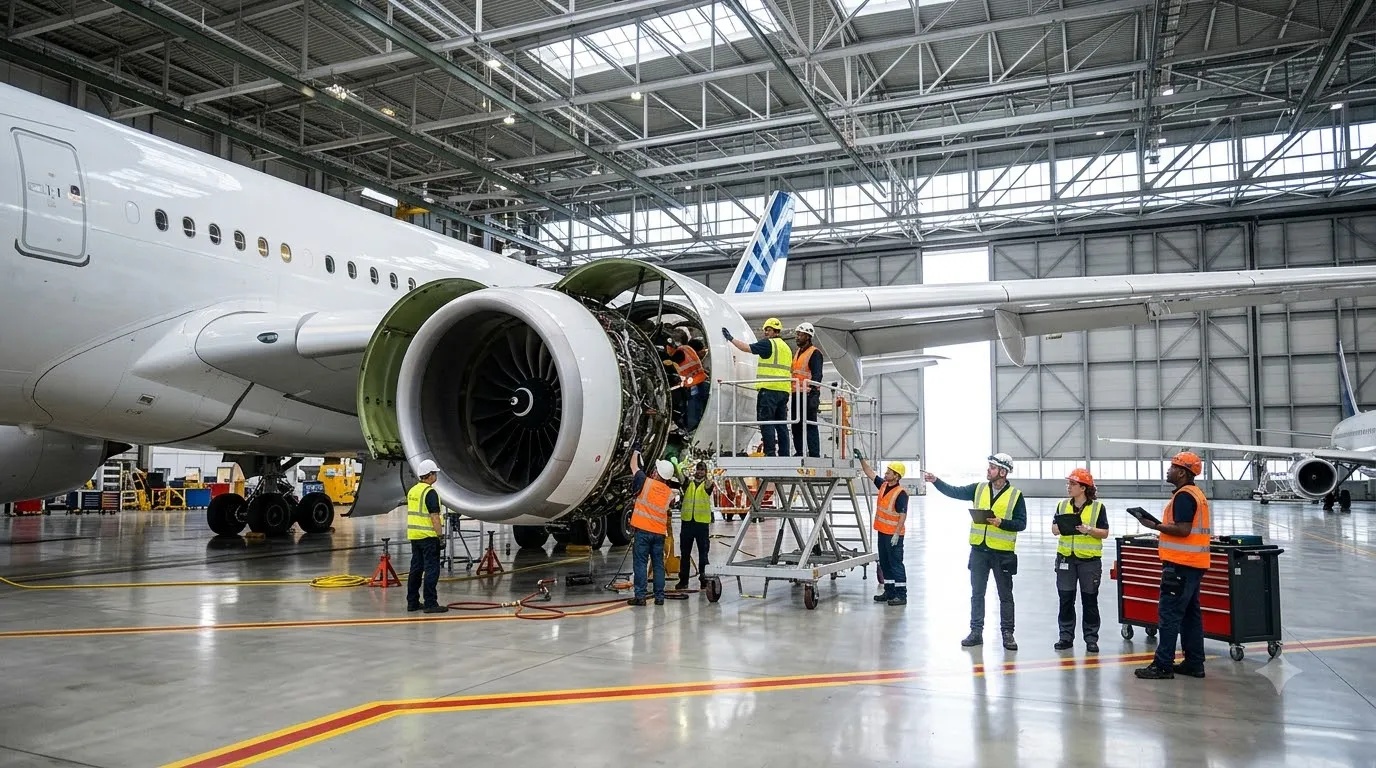
Airbus projects the global commercial aviation industry will need to recruit 2.44 million personnel over the next two decades, driven by acu...
NTUC · 2 weeks ago
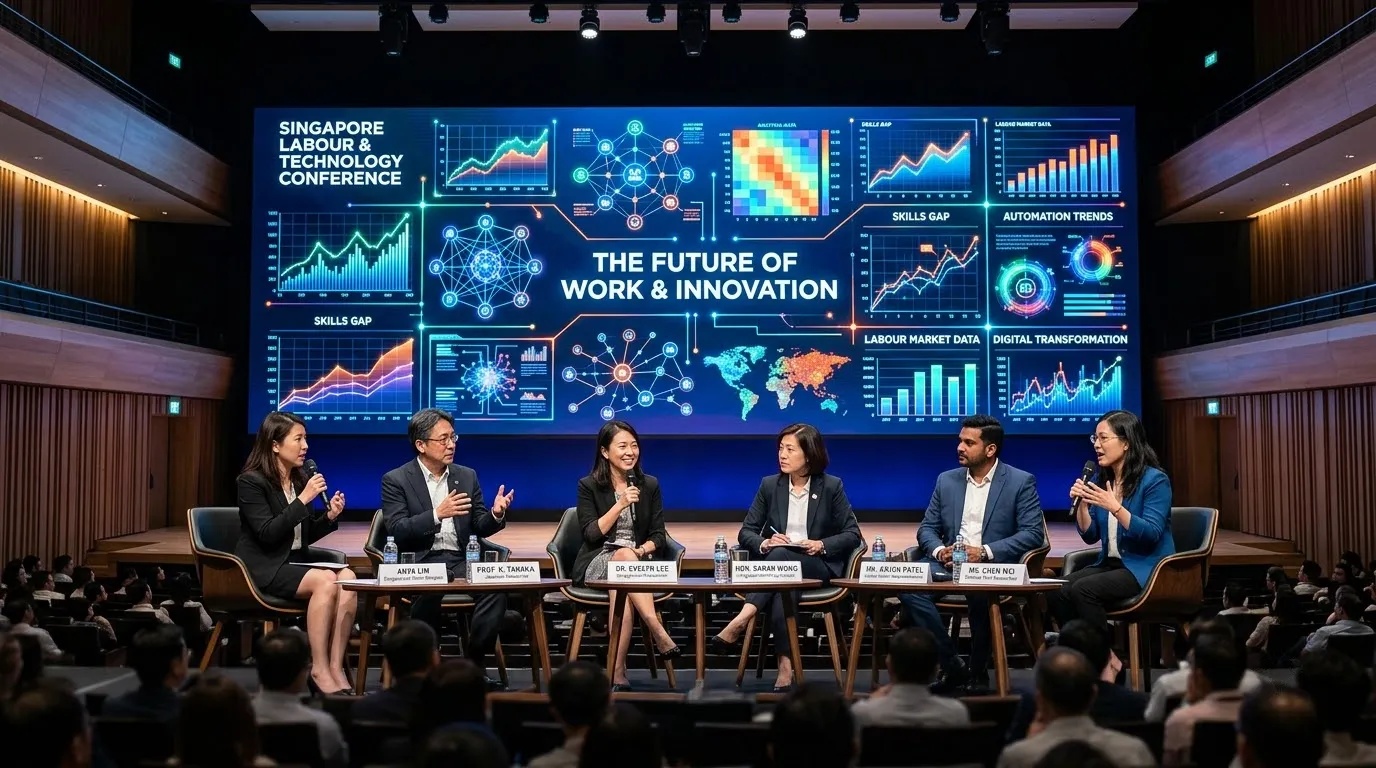
At its sixth Labour Research Conference, Singapore's National Trades Union Congress (NTUC) introduced the Associate Researchers Circle (ARC)...
The Economic Times · 2 weeks ago
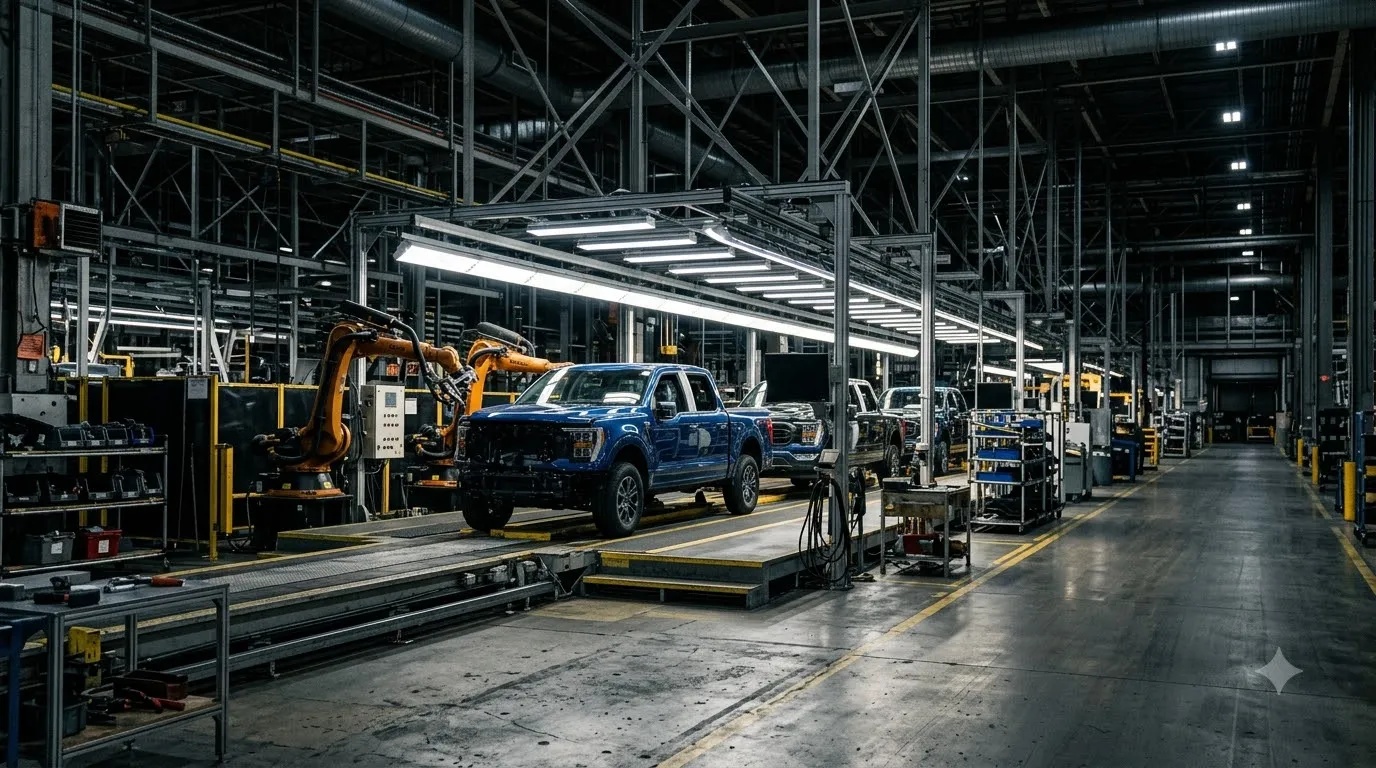
Ford has halted or dialed back production of its flagship F-150 truck across plants in Dearborn, Michigan, and Claycomo, Missouri, leaving t...
From MyDigiFolio
One profile. Resume, vCard, portfolio, and email signatures — all generated in 3 minutes.
Build your page — freeWe use essential cookies for login and preferences, and optional cookies for analytics. Privacy policy.