TOP STORIES
Iran says US nuclear deal not imminent despite progress in talks
MyDigiFolio Editors
2 min read
TOP STORIES
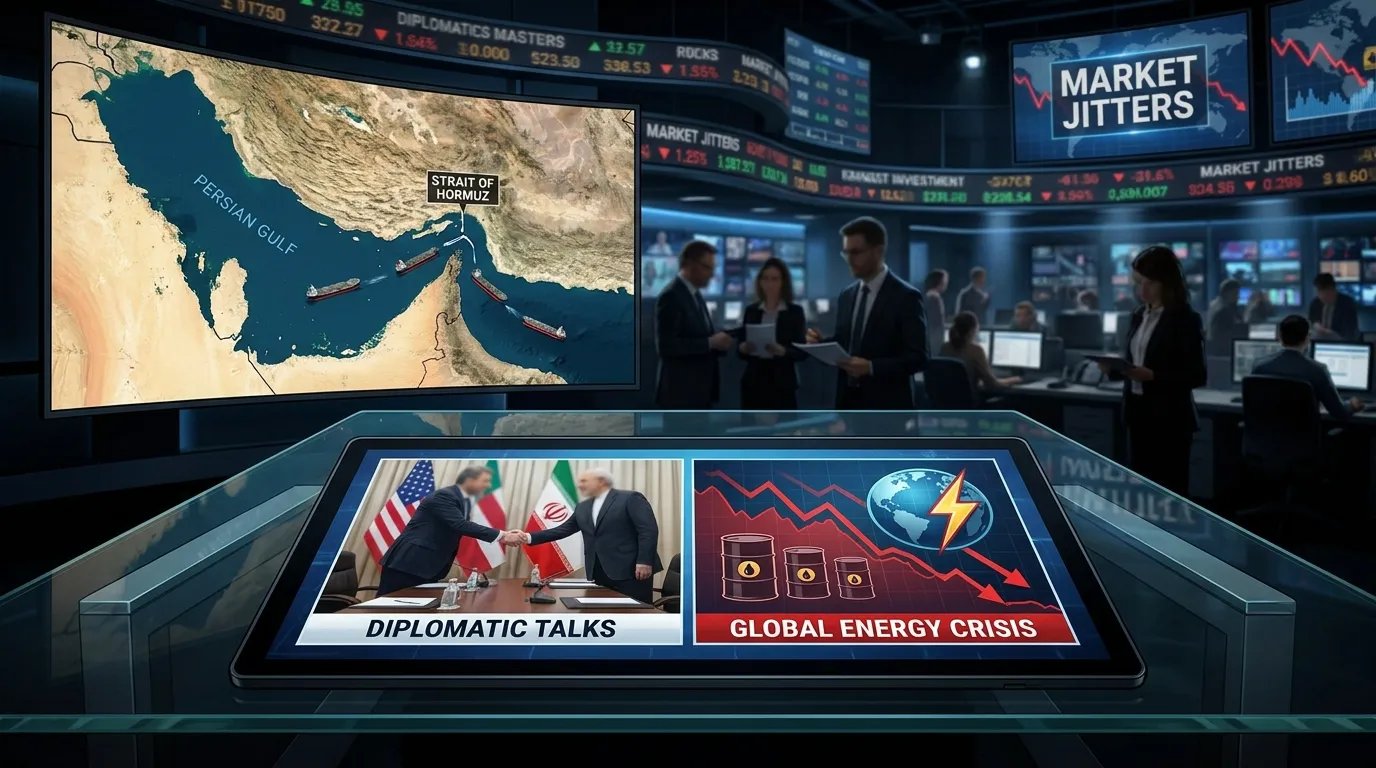
Markets are reacting positively to diplomatic progress, but major geopolitical and nuclear issues remain unresolved. Even if an agreement is reached, global energy and shipping sectors may continue facing uncertainty for months.
Iran has stated that while negotiations with the United States have made progress, a final agreement remains far from complete despite growing international speculation around a possible breakthrough.
Iranian Foreign Ministry spokesperson Esmail Baqai said that negotiators had reached conclusions on several important issues but denied claims that a deal was imminent. His comments came shortly after US Secretary of State Marco Rubio suggested that progress could potentially emerge within days.
According to multiple international reports, the proposed framework under discussion may include a 60-day ceasefire extension, reopening of the Strait of Hormuz for global shipping, and continued negotiations surrounding Iran’s nuclear programme.
The talks come amid ongoing geopolitical instability following the conflict that erupted earlier this year between Iran, Israel and US-aligned forces in the Middle East. The situation caused major disruptions in global energy markets after Iran effectively blocked the Strait of Hormuz, a strategic waterway responsible for nearly 20% of global oil and LNG shipments.
Oil prices surged globally during the conflict, while shipping and supply chains experienced severe pressure. Markets reacted positively on Monday after reports of potential diplomatic progress, with oil prices declining and Asian stock markets moving higher.
However, significant disagreements reportedly remain unresolved. These include the future of US sanctions on Iran, the release of frozen Iranian assets, and limits on Iran’s uranium enrichment programme.
US media reports suggest the deal could involve Iran eventually surrendering or destroying highly enriched uranium stockpiles. At the start of the conflict, Iran was believed to possess uranium enriched up to 60% purity, which is technically close to weapons-grade enrichment levels required for nuclear weapons development.
Former US President Donald Trump, who remains heavily involved in the negotiations, said any agreement must ensure Iran cannot develop nuclear weapons. Iran continues to insist its nuclear programme is intended only for peaceful civilian purposes.
The proposed agreement has also created political divisions within the US Republican Party. Several senior Republican senators criticised the possibility of easing pressure on Iran, arguing it could weaken the strategic gains achieved during recent military operations in the region.
Shipping and logistics experts warned that even if a deal is reached soon, global supply chains and shipping routes may take months to stabilise fully due to continued security concerns in the Gulf region.
Analysts say the outcome of these negotiations could significantly influence global oil prices, inflation trends, shipping costs and overall geopolitical stability in the coming months.

The Economic Times · 12 hours ago
ByteDance’s AI research unit, Seed, has established a dedicated Alignment & Preparedness team and launched an international search for speci...

The American Bazaar · 12 hours ago
Silicon Valley venture capital titan Andreessen Horowitz has eliminated most of its 34-member centralized "full stack talent" team, shifting...

The Economic Times (ET AI) · 12 hours ago
Zoho co-founder and chief scientist Sridhar Vembu has firmly rejected workforce cuts despite industry-wide SaaS contractions, committing ins...
From MyDigiFolio
One profile. Resume, vCard, portfolio, and email signatures — all generated in 3 minutes.
Build your page — freeWe use essential cookies for login and preferences, and optional cookies for analytics. Privacy policy.