TOP STORIES
What Happens If Indian Rupee Hits ₹100 Against US Dollar?
MyDigiFolio Editors
2 min read
TOP STORIES
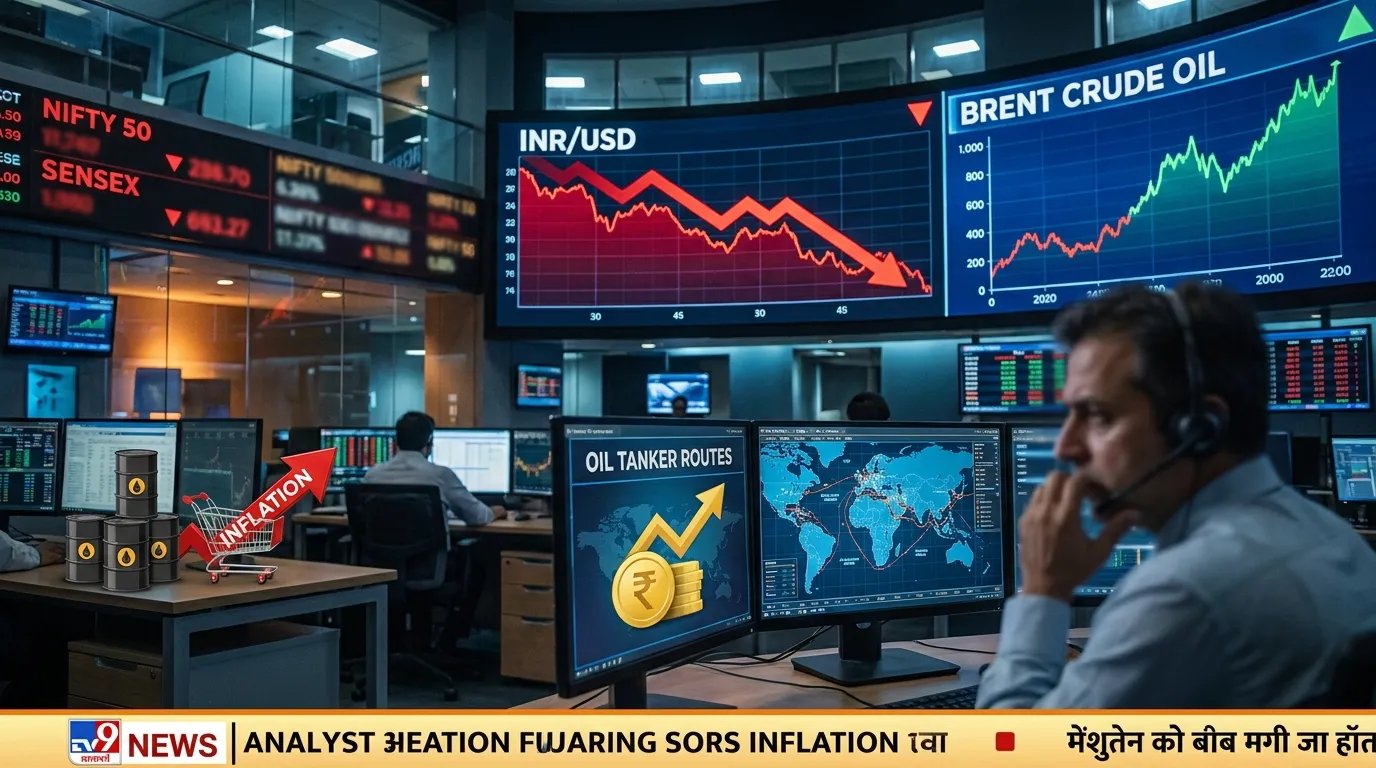
A weaker rupee creates both risks and opportunities for India. While import-heavy sectors may struggle with inflation and rising costs, export-oriented industries could benefit from stronger global competitiveness and higher foreign-currency earnings. Much now depends on crude oil prices, geopolitical stability, and global investor sentiment in the coming months.
The Indian rupee continued falling against the US dollar this week, reaching:
amid:
Analysts now warn that:
it could significantly reshape:
Why The Rupee Is Falling
The rupee has weakened due to:
including tensions involving:
India imports nearly:
making the economy highly sensitive to:
Major Risks If Rupee Hits ₹100
Higher Inflation
A weaker rupee makes imports more expensive, especially:
which could increase:
Pressure On Import-Heavy Sectors
Industries likely to face challenges include:
because:
Foreign Investor Caution
Analysts say currency volatility may:
Sectors That Could Benefit
Export-focused sectors may gain from rupee weakness because:
Potential beneficiaries include:
These industries could report:
Gold Prices May Rise Further
Experts also warn that:
because:
This could further:
Oil Prices Remain Key Risk
Analysts say:
could keep:
Some experts warned that:
the rupee could potentially:
Tags
The Economic Times · 12 hours ago
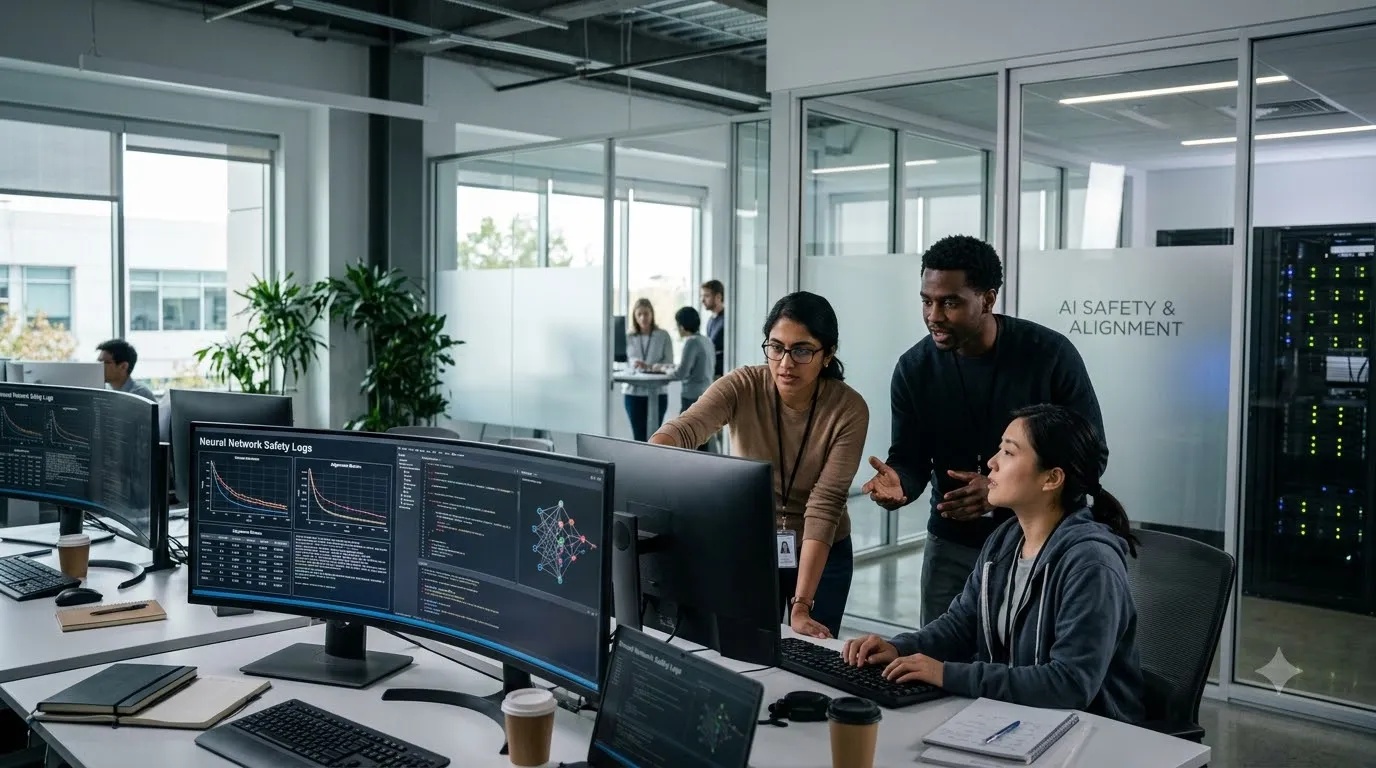
ByteDance’s AI research unit, Seed, has established a dedicated Alignment & Preparedness team and launched an international search for speci...

The American Bazaar · 12 hours ago
Silicon Valley venture capital titan Andreessen Horowitz has eliminated most of its 34-member centralized "full stack talent" team, shifting...
The Economic Times (ET AI) · 12 hours ago
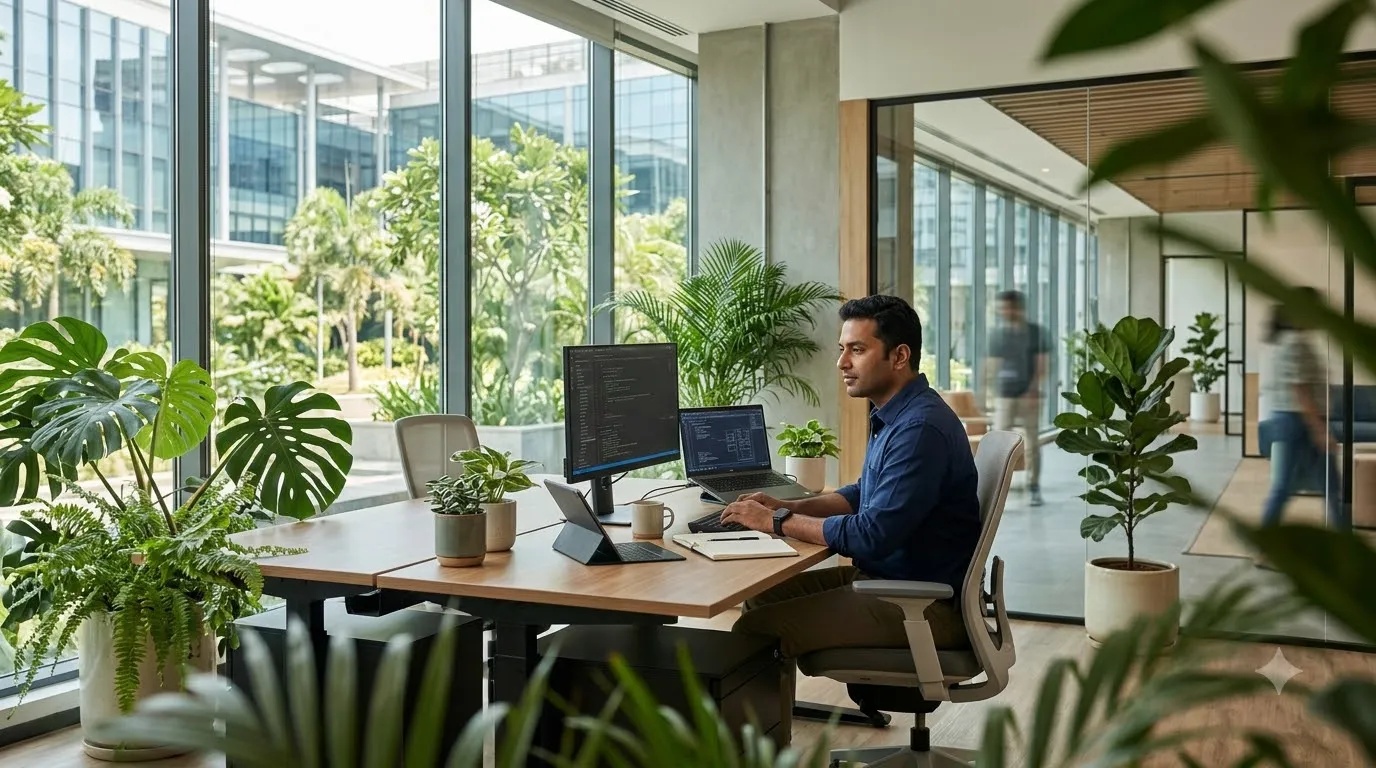
Zoho co-founder and chief scientist Sridhar Vembu has firmly rejected workforce cuts despite industry-wide SaaS contractions, committing ins...
From MyDigiFolio
One profile. Resume, vCard, portfolio, and email signatures — all generated in 3 minutes.
Build your page — freeWe use essential cookies for login and preferences, and optional cookies for analytics. Privacy policy.