AI & TECH
MeitY Unveils DEPA Framework Handbook to Unlock Secure Data Collaboration for AI Training
MyDigiFolio Editors
2 min read
AI & TECH

The Ministry of Electronics and Information Technology (MeitY) has launched a comprehensive handbook on Data Empowerment and Protection Architecture (DEPA) for AI training, developed alongside the iSPIRT Foundation. Designed to dismantle corporate and institutional data silos without compromising proprietary ownership, the techno-legal framework flips traditional machine learning logistics: instead of pooling raw sensitive data into external servers, the algorithmic model travels directly to secure, controlled client environments.
Access to high-fidelity, representative training data has emerged as the defining bottleneck of the artificial intelligence boom, with enterprise data custodians routinely refusing to share datasets due to intellectual property theft risks, regulatory liabilities, and confidentiality concerns. To bridge this trust deficit, the Ministry of Electronics and Information Technology (MeitY) has officially unveiled the Data Empowerment and Protection Architecture (DEPA) Handbook for AI Training.
Unveiled by IT Secretary S Krishnan during an executive roundtable in Bengaluru, the framework was engineered in collaboration with think-tank iSPIRT Foundation. It establishes a standardized techno-legal blueprint that allows multi-party, cross-border research teams and commercial labs to collaborate on large-scale model training while ensuring participating institutions retain absolute sovereignty over their data.
The Architectural Core: 'Model Goes to Data' The foundational paradigm shift introduced by the DEPA training framework resolves traditional cybersecurity and IP leakage dilemmas:
Inverted Logistics: Principal Scientific Adviser to the Government of India Prof. Ajay Kumar Sood emphasized that DEPA fundamentally flips traditional ingestion architecture. Rather than aggregating and transmitting vulnerable raw data into centralized compute environments, the AI training model travels into the data custodian’s secure perimeter.
Controlled Computing Environments: Models execute compute cycles inside tamper-resistant, isolated enclaves where external parties cannot inspect, exfiltrate, or copy underlying datasets.
Granular Data Provenance: The architecture incorporates immutable auditability, enabling data origins, specific usage constraints, and permission parameters to be tracked across the end-to-end model training lifecycle.
"India's AI ambitions must be matched by the ability to use data responsibly and securely. The DEPA Training Framework enables trusted data collaboration at scale, unlocking access to large-scale datasets for AI training while safeguarding privacy, commercial confidentiality and institutional control." — S Krishnan, Secretary, MeitY
India's Global Science Diplomacy Speaking on the geopolitical and multilateral dimensions of the initiative, Prof. Ajay Kumar Sood characterized DEPA as a cornerstone of India's international science diplomacy. By allowing universities, private healthcare networks, and sovereign institutions to engage in multi-party collaboration without relinquishing dataset control, the protocol aligns with global data governance initiatives championed by the United Nations and the World Bank.
Industry figures, including iSPIRT co-founder Sharad Sharma, have likened the milestone to the launch of the Unified Payments Interface (UPI), highlighting that standardizing trusted data exchange protocols at the infrastructure layer will be the decisive catalyst for developing inclusive, culturally representative, and resilient foundation models.
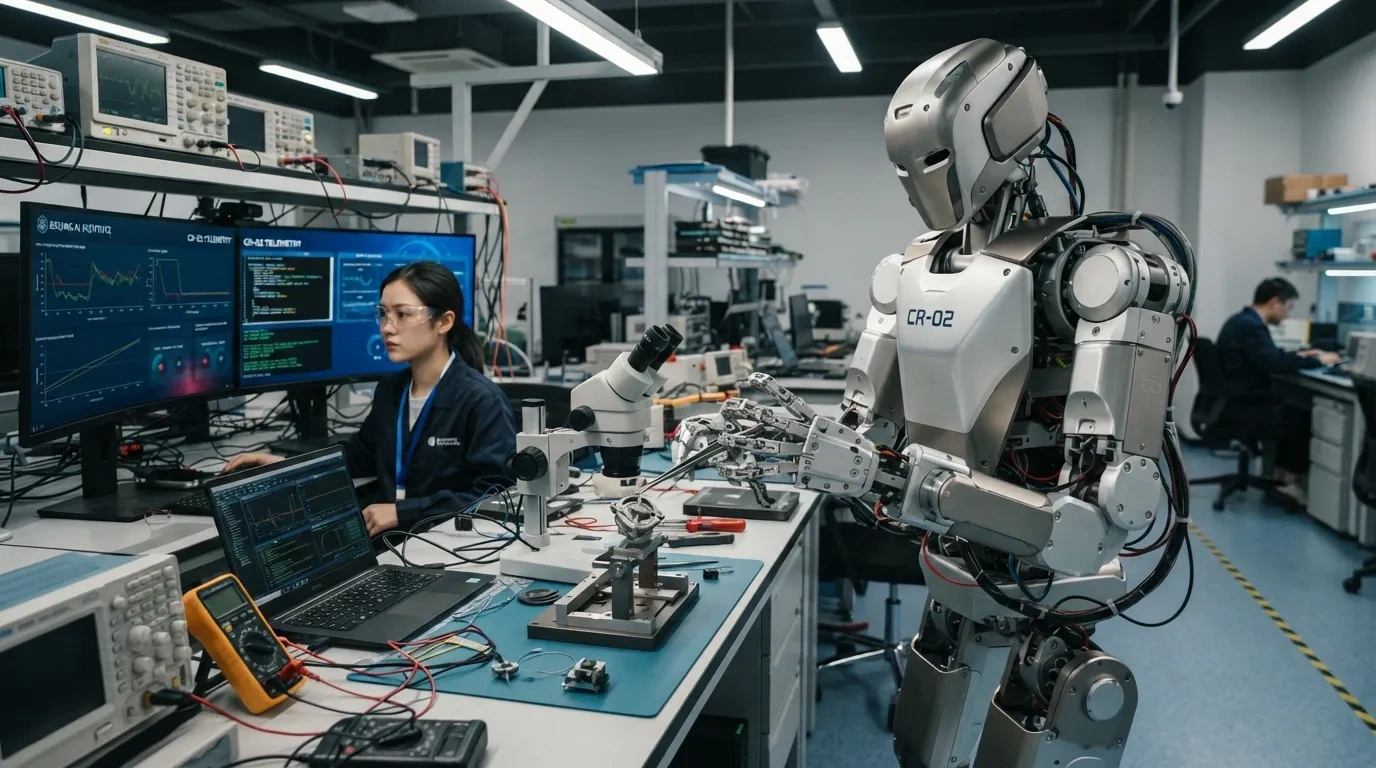
ETTelecom (The Economic Times) · 4 hours ago
Having mastered acrobatics, backflips, and physical agility, Chinese humanoid robotics firms are shifting capital toward "embodied AI"—the c...
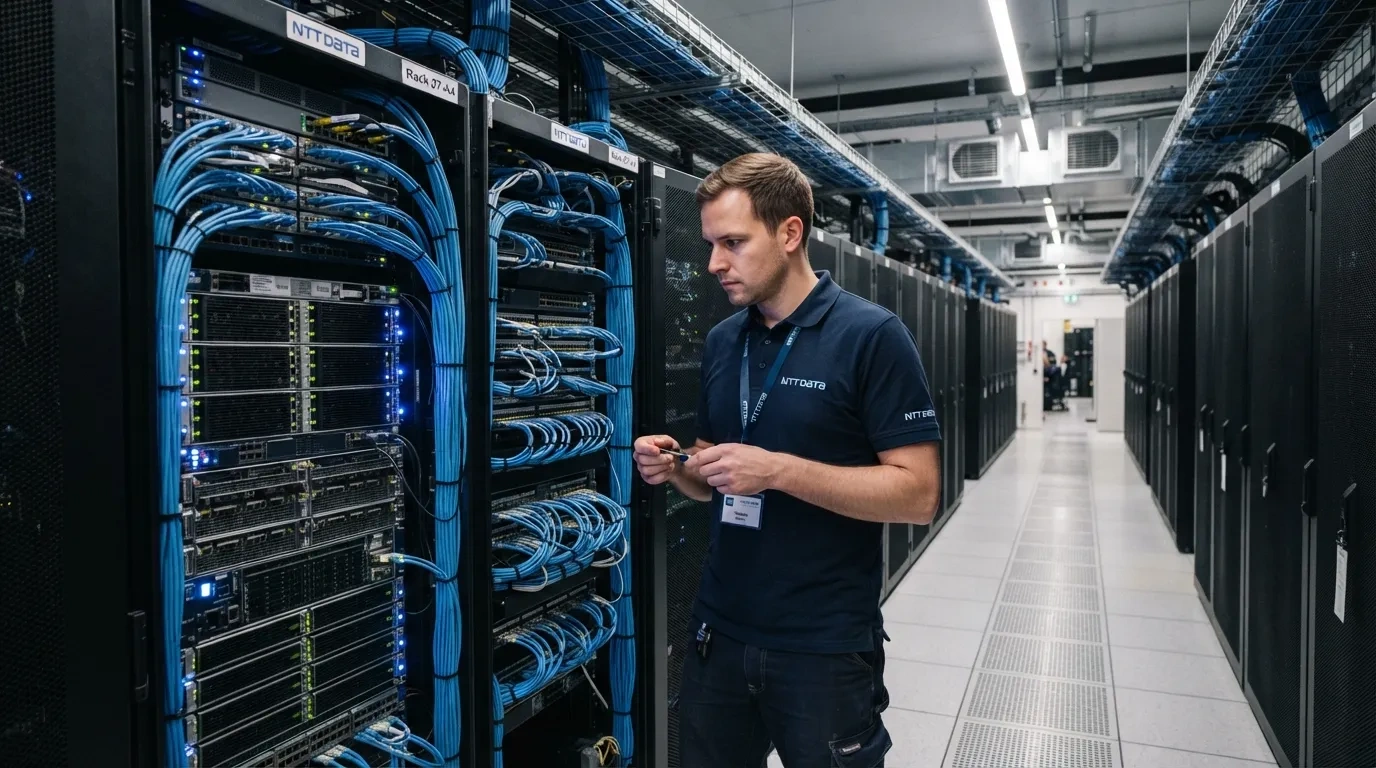
ETDataCenters (The Economic Times) · 4 hours ago
NTT DATA has expanded its global AI Factory footprint to five locations, rolling out production-grade validation centers in Paris, Munich, a...
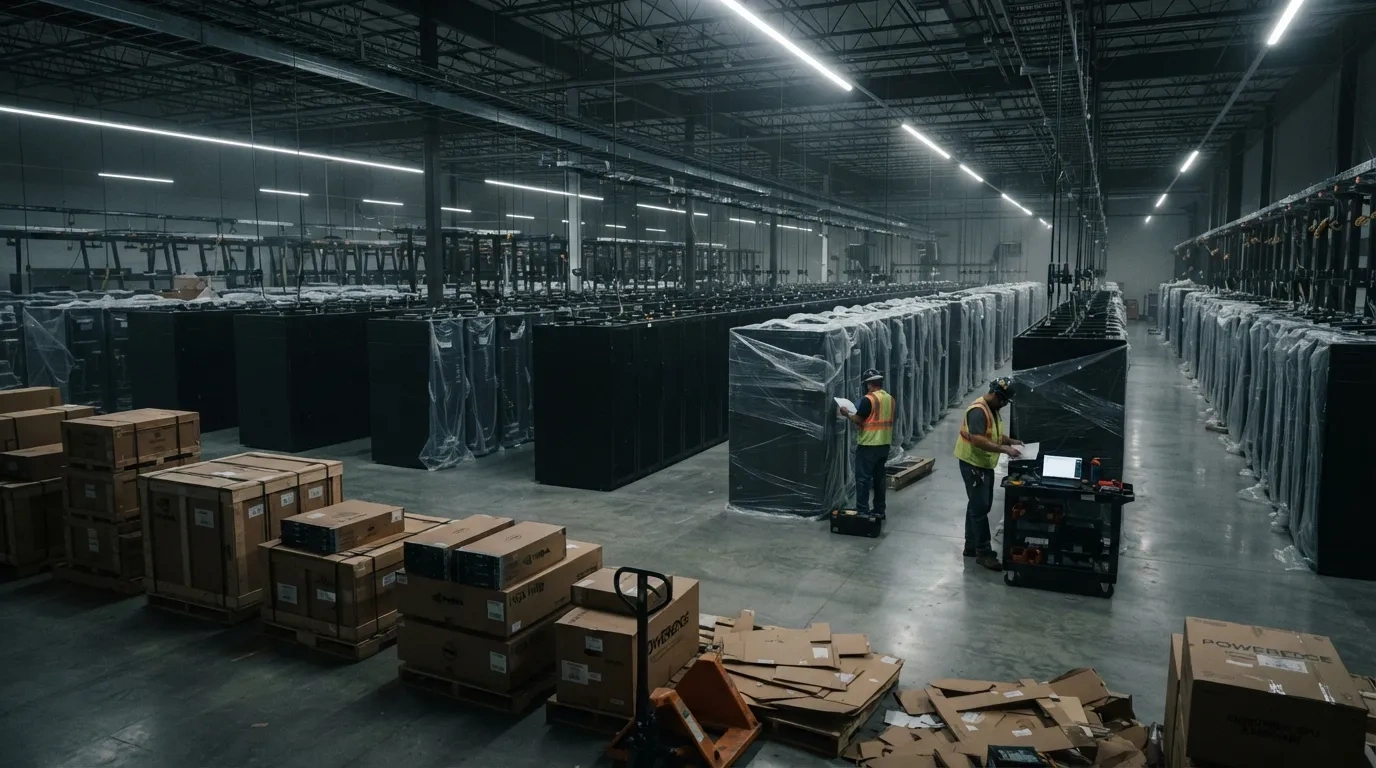
ETDataCenters (The Economic Times) · 4 hours ago
Billions of dollars in high-end artificial intelligence processors are sitting idle in warehouses and unpowered facilities as utility grid b...
From MyDigiFolio
One profile. Resume, vCard, portfolio, and email signatures — all generated in 3 minutes.
Build your page — freeWe use essential cookies for login and preferences, and optional cookies for analytics. Privacy policy.