AI & TECH
Meta CEO Zuckerberg promises no more company-wide layoffs in 2026 after 8,000 job cuts
MyDigiFolio Editors
2 min read
AI & TECH
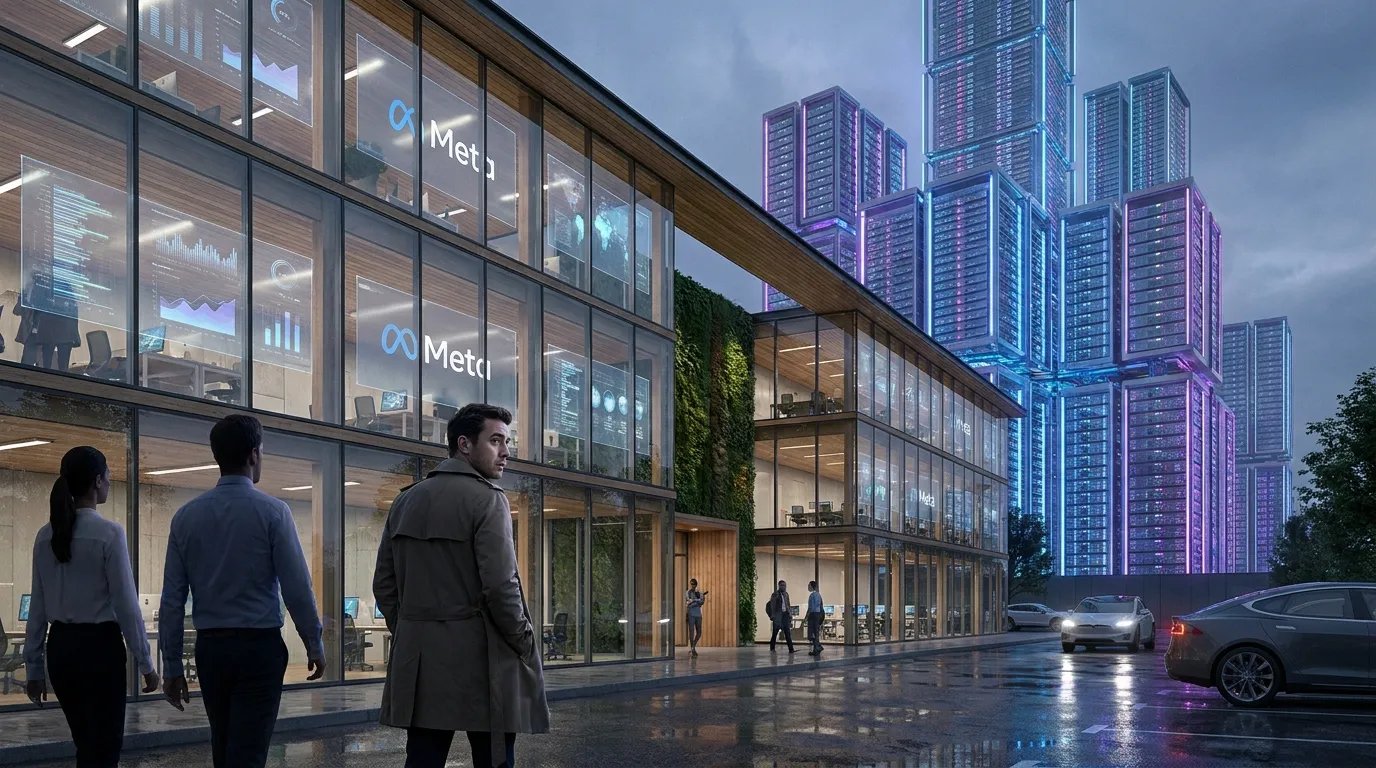
Meta’s layoffs show how aggressively major tech companies are restructuring around AI. While Zuckerberg promises stability for now, the shift toward smaller AI-driven teams signals a long-term transformation in how technology firms manage hiring and productivity.
Meta CEO Mark Zuckerberg has attempted to reassure employees following one of the company’s largest workforce reductions, promising there will be no further company-wide layoffs in 2026 after approximately 8,000 employees were dismissed globally.
The layoffs represent nearly 10% of Meta’s workforce and were carried out in phases across Asia, Europe and the Americas. According to reports, employees in Singapore began receiving termination notices at around 4 AM local time, followed by additional rounds in other regions throughout the day.
In an internal memo sent to roughly 78,000 employees, Zuckerberg acknowledged that Meta had not communicated clearly enough during the weeks leading up to the layoffs. He admitted the company could have handled the uncertainty better and pledged to improve transparency moving forward.
Alongside the layoffs, Meta is reportedly restructuring aggressively around artificial intelligence initiatives. Around 7,000 employees are being reassigned to AI-focused teams and projects, while nearly 6,000 open positions across the company are being eliminated entirely.
The restructuring comes as Meta dramatically increases spending on AI infrastructure, custom chips, model training and data centres. The company is expected to spend between $125 billion and $145 billion on capital expenditure this year, nearly double the previous year’s spending levels.
Meta leadership has openly linked the layoffs to its long-term AI strategy. During the company’s earnings discussions, Zuckerberg suggested that advances in AI productivity mean smaller teams can now perform work that previously required much larger groups.
He explained that if AI tools allow a team of 10 employees to achieve the same output once handled by 50 or 100 workers, maintaining larger organisational structures becomes difficult to justify.
The company’s growing AI focus has reportedly created tension internally. Employee morale has sharply declined according to reports from internal workplace platforms, while more than 1,500 employees signed petitions objecting to Meta’s alleged monitoring of keystrokes, mouse movements and screen activity for AI training purposes.
Meta has also formed a new large-scale AI engineering division known internally as “Applied AI and Engineering,” which reportedly absorbed around 2,000 employees during the restructuring process. Some staff internally referred to the reassignment process as “the Draft.”
The layoffs and restructuring efforts reflect broader trends across the technology industry, where companies are increasingly redirecting budgets from workforce expansion toward artificial intelligence investments and automation systems.
Despite the cost-cutting measures, Meta continues positioning AI as the company’s central long-term growth strategy, competing aggressively against firms such as OpenAI, Google and Anthropic in the global AI race.
Industry analysts say the latest restructuring highlights how rapidly AI is reshaping workforce planning across Silicon Valley, with companies prioritising leaner structures, automation and AI-native operations over traditional scaling models.
Analytics India Magazine · 3 weeks ago
India’s data centre expansion is broadening employment demand beyond software and other traditional technology roles. The latest hiring data...

GlobeNewswire · 3 weeks ago
Paychex has expanded its WISE AI platform with WISE Hire, bringing AI-powered automation to recruiting and hiring workflows. The solution co...

Reuters · 3 weeks ago
Verizon is expanding its investment in AI workforce training to support job seekers, small businesses and educators across the U.S. The init...
From MyDigiFolio
One profile. Resume, vCard, portfolio, and email signatures — all generated in 3 minutes.
Build your page — freeWe use essential cookies for login and preferences, and optional cookies for analytics. Privacy policy.