AI & TECH
Meta Faces Lawsuit Alleging AI-Based Layoff Process Discriminated Against Employees on Medical Leave
MyDigiFolio Editors
2 min read
AI & TECH
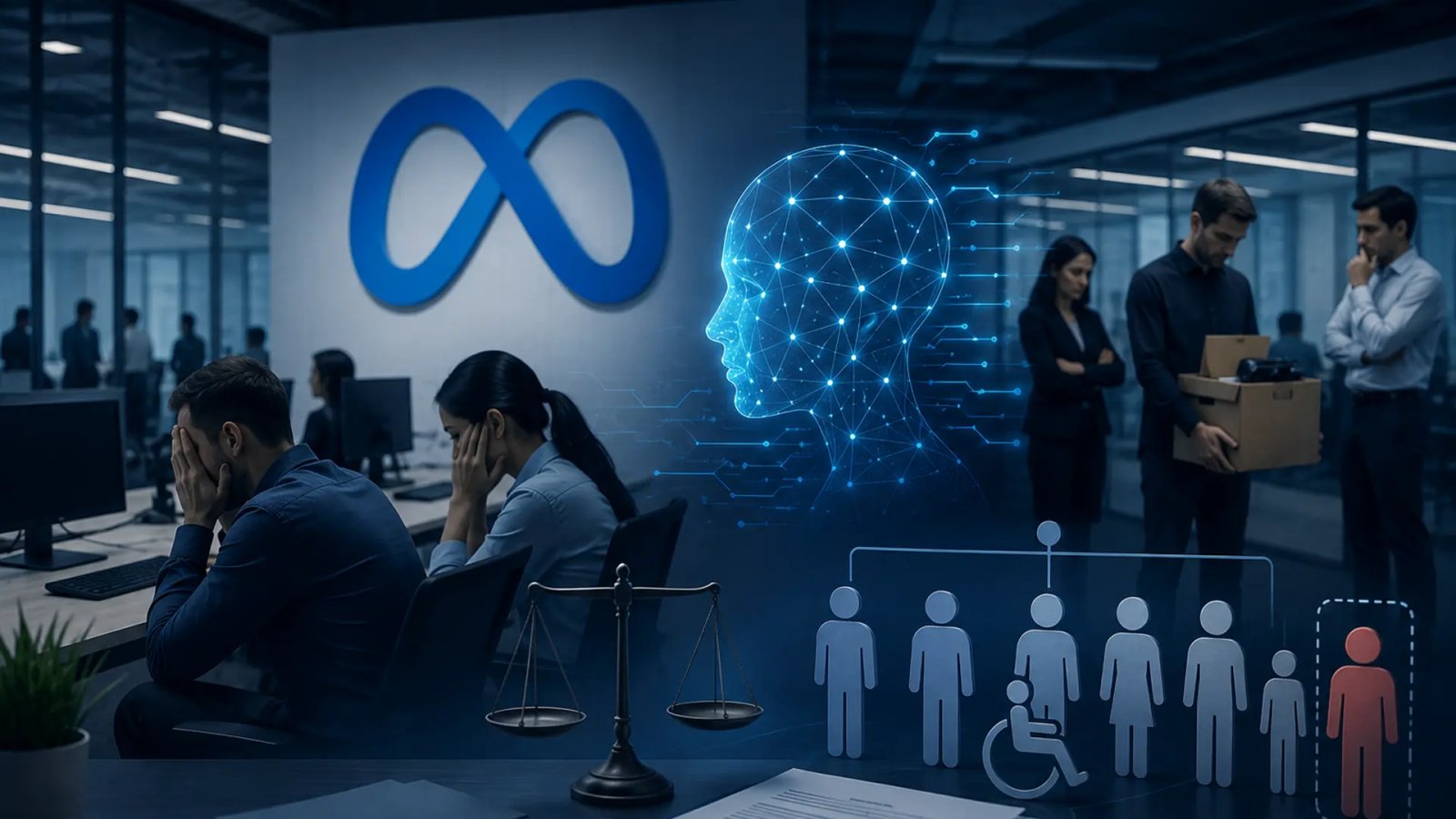
The lawsuit claims Meta's AI-supported employee evaluation process resulted in discriminatory layoff decisions affecting workers with medical or caregiving responsibilities. Meta has denied the allegations, stating that people—not AI—made workforce decisions.
Twenty-six former employees have filed a lawsuit against Meta Platforms in a federal court in Oakland, California, claiming the company used AI-supported tools to help determine which employees would be affected by its recent layoffs.
According to the complaint, the company evaluated workers using measures such as productivity and AI token usage. The plaintiffs argue that these criteria placed employees with disabilities, those who had taken medical leave, or individuals caring for family members at a disadvantage during the layoff process.
The employees, who were informed in May that their positions would be eliminated beginning July 22, are requesting a preliminary court order to pause the layoffs while they pursue their claims through private arbitration. They contend that although employment agreements require individual arbitration, those agreements do not prevent them from seeking temporary court relief.
Meta rejected the allegations. A company spokesperson said the claims have no merit and stated that workforce and organizational decisions were made by people rather than artificial intelligence.
The lawsuit is described as the first legal challenge against a major U.S. company over the alleged use of AI in making layoff decisions.
The complaint also alleges that Meta violated federal and state laws protecting employees with disabilities, workers on medical leave, and pregnant employees. In addition, the plaintiffs claim the company did not evaluate its AI systems for potential bias as required under recently adopted laws in California and New York City.
The lawsuit states that Meta relied on several internal AI-assisted systems to assess employees, including its "Metamate" large language model, an internal knowledge tool referred to as a "second brain," and a productivity score generated from workplace activity such as keystrokes, screen content, emails, and browser history.

Analytics India Magazine · 3 weeks ago
India’s data centre expansion is broadening employment demand beyond software and other traditional technology roles. The latest hiring data...

GlobeNewswire · 3 weeks ago
Paychex has expanded its WISE AI platform with WISE Hire, bringing AI-powered automation to recruiting and hiring workflows. The solution co...

Reuters · 3 weeks ago
Verizon is expanding its investment in AI workforce training to support job seekers, small businesses and educators across the U.S. The init...
From MyDigiFolio
One profile. Resume, vCard, portfolio, and email signatures — all generated in 3 minutes.
Build your page — freeWe use essential cookies for login and preferences, and optional cookies for analytics. Privacy policy.