CAREERS
Meta layoff post goes viral after employee allegedly helped build AI tool that replaced her
MyDigiFolio Editors
3 min read
CAREERS

The AI transition inside tech companies is no longer just about innovation — it is increasingly becoming a workforce restructuring story. Companies are aggressively investing in AI efficiency, but employees are beginning to question whether they are unknowingly helping automate their own roles.
A viral social media post claiming a Meta employee helped develop an internal AI tool before being laid off has intensified concerns about how artificial intelligence is reshaping jobs across the tech industry.
Detail: A viral post circulating on social media has reignited concerns over the growing impact of artificial intelligence on white-collar jobs after claims emerged that a Meta employee was laid off shortly after helping develop an internal AI tool for the company.
The post, shared by a user named Julian on X, claimed that Meta had organised an internal “AI week” where employees were encouraged to pause regular work and focus entirely on learning and building AI-driven products and workflows. According to the post, workers were expected to create early-stage AI tools that could later be expanded internally by engineering and leadership teams.
The viral story gained significant attention after Julian claimed his wife spent months working alongside Meta engineers and senior management to refine one such AI product, despite privately fearing that the technology could eventually replace roles like hers. According to the post, she was later laid off during Meta’s recent restructuring process.
Although the claims have not been independently verified, the timing has fueled broader discussions around AI-driven restructuring across the technology sector. Meta recently began another major wave of layoffs affecting employees across the United States, Europe and Asia as the company aggressively expands its artificial intelligence operations.
Reports suggest thousands of employees have already been reassigned into AI-focused teams, while the company continues investing heavily in AI infrastructure, chips, large language models and automation systems. CEO Mark Zuckerberg has repeatedly stated that Meta is restructuring around smaller, faster and AI-native teams capable of operating with fewer layers of management.
According to internal memos cited in reports, Meta’s leadership wants flatter organisational structures and more efficient teams built specifically around AI-driven workflows. The company is also reportedly spending over $100 billion this year on AI infrastructure and related technologies as competition intensifies with Google, OpenAI and other major tech firms.
The viral post has triggered strong reactions online, with many workers expressing concerns that employees are increasingly being asked to help train or build systems that may eventually automate parts of their own jobs. Industry observers say the story reflects a larger shift happening across Silicon Valley, where companies are prioritising AI productivity gains while simultaneously reducing traditional workforce sizes.
The discussion has become symbolic of a growing fear inside the tech industry — that the same engineers, designers and knowledge workers building AI systems today may also be creating tools capable of replacing portions of their future work.

The Economic Times · 12 hours ago
ICICI Life Insurance plans to onboard 20,000 women financial advisors nationwide by the close of FY2027 under its flagship Narishakti initia...

The Times of India · 12 hours ago
UCO Bank has announced 530 apprentice positions across India under the Apprentices Act, 1961, with the application window open until October...
The Economic Times · 1 day ago
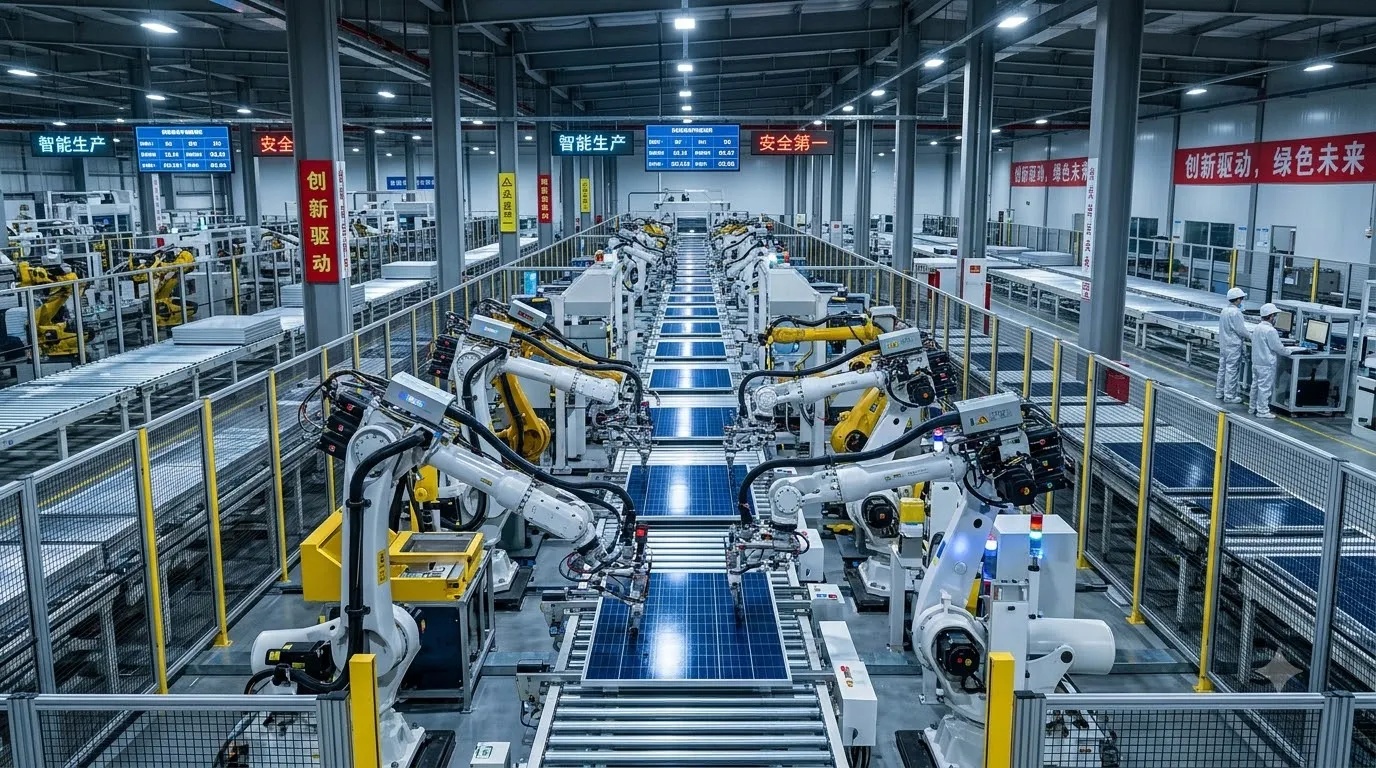
China’s top five solar manufacturers slashed their combined workforce by 21%—shedding 40,589 jobs—as severe domestic overcapacity roughly do...
From MyDigiFolio
One profile. Resume, vCard, portfolio, and email signatures — all generated in 3 minutes.
Build your page — freeWe use essential cookies for login and preferences, and optional cookies for analytics. Privacy policy.