IN BRIEF
NTUC Expands Labour Research Network to Shield Workers from AI Shifts and Job Churn
MyDigiFolio Editors
2 min read
IN BRIEF
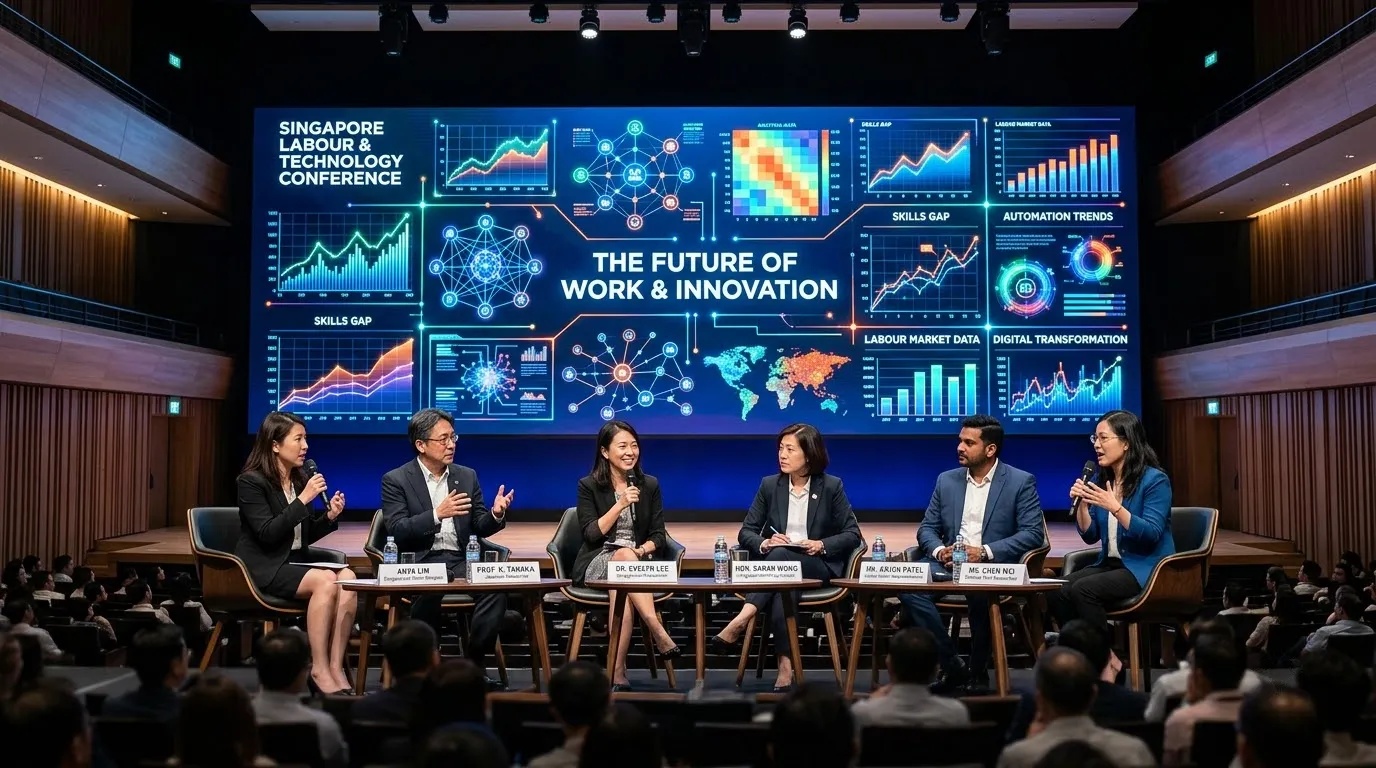
At its sixth Labour Research Conference, Singapore's National Trades Union Congress (NTUC) introduced the Associate Researchers Circle (ARC) to detect emerging workforce vulnerabilities ahead of major technological shifts. The move responds to growing concerns among professionals, managers, and executives (PMEs), where cutbacks in entry-level hiring and rising retrenchments across tech, finance, and manufacturing have raised transition friction. Through its four-pillar AI-Ready SG initiative, the labour movement aims to ensure productivity gains lead to sustainable wage growth and preventive u
Singapore’s National Trades Union Congress (NTUC) has broadened its dedicated research ecosystem with the launch of the Associate Researchers Circle (ARC) under the Labour Alliance co-laB (LAB), aiming to spot early employment disruptions and guide workers through structural AI-driven changes.
Announced during the sixth NTUC Labour Research Conference on October 1, 2026, the ARC initiative integrates eight emerging researchers from institutions such as NTU, SUTD, Carnegie Mellon, and Michigan State University. The network will investigate critical challenges, including adult skill acquisition, AI's disruption of creative sectors, and technology adoption among older demographics.
Mounting Workforce Pressures NTUC Secretary-General Ng Chee Meng emphasized that anxieties regarding rapid technological disruption are concrete realities for professionals, managers, and executives (PMEs):
"What workers want is reskilling while they still have their jobs, not after they lose them. Workers also want a fair share of productivity gains through better wages, jobs and career prospects."
Strategic Roadmap: AI-Ready SG To support workforce transitions without experiencing jobless growth, NTUC is deploying its AI-Ready SG framework across four central areas:
The conference also celebrated the fifth anniversary and largest issue of the Singapore Labour Journal, featuring research-backed guides, including employer-evaluated rubrics for formal flexible work requests.
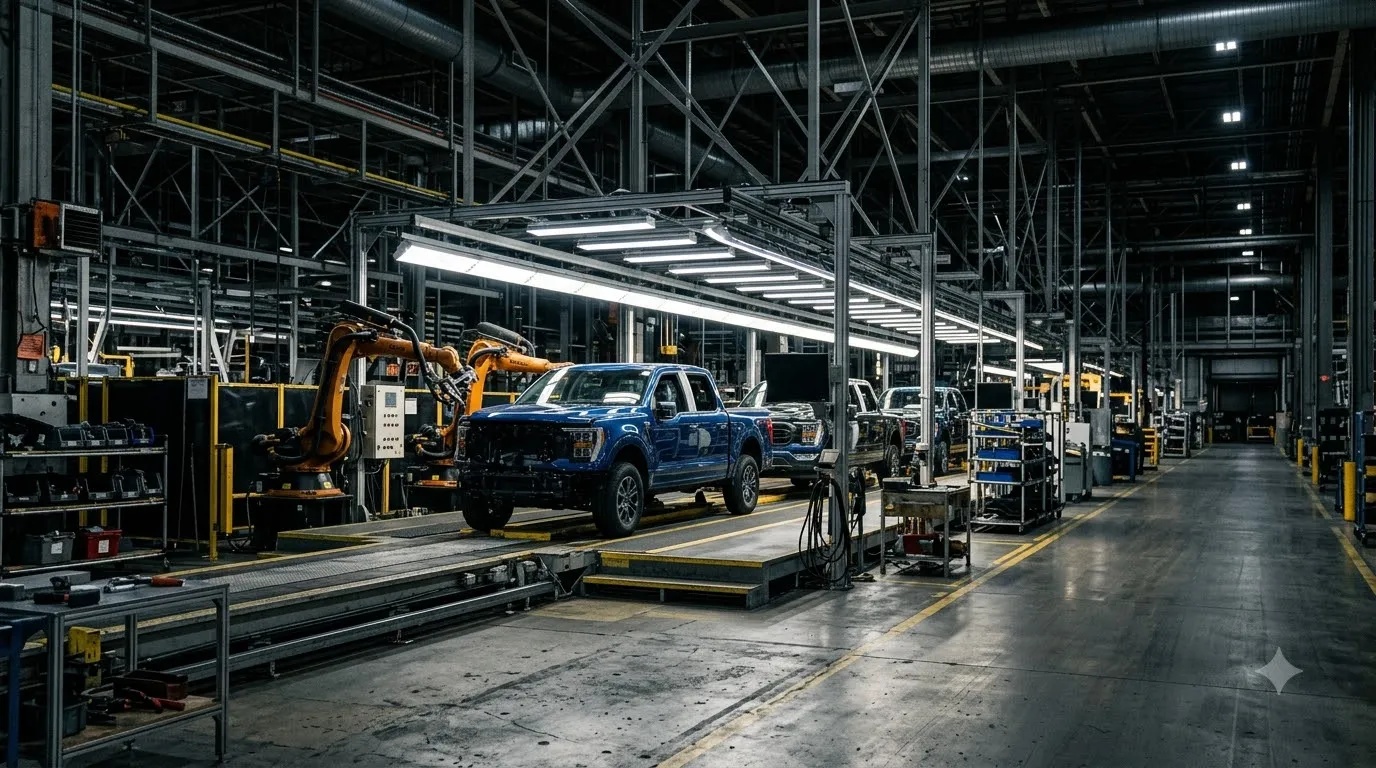
The Economic Times · 1 day ago
Ford has halted or dialed back production of its flagship F-150 truck across plants in Dearborn, Michigan, and Claycomo, Missouri, leaving t...
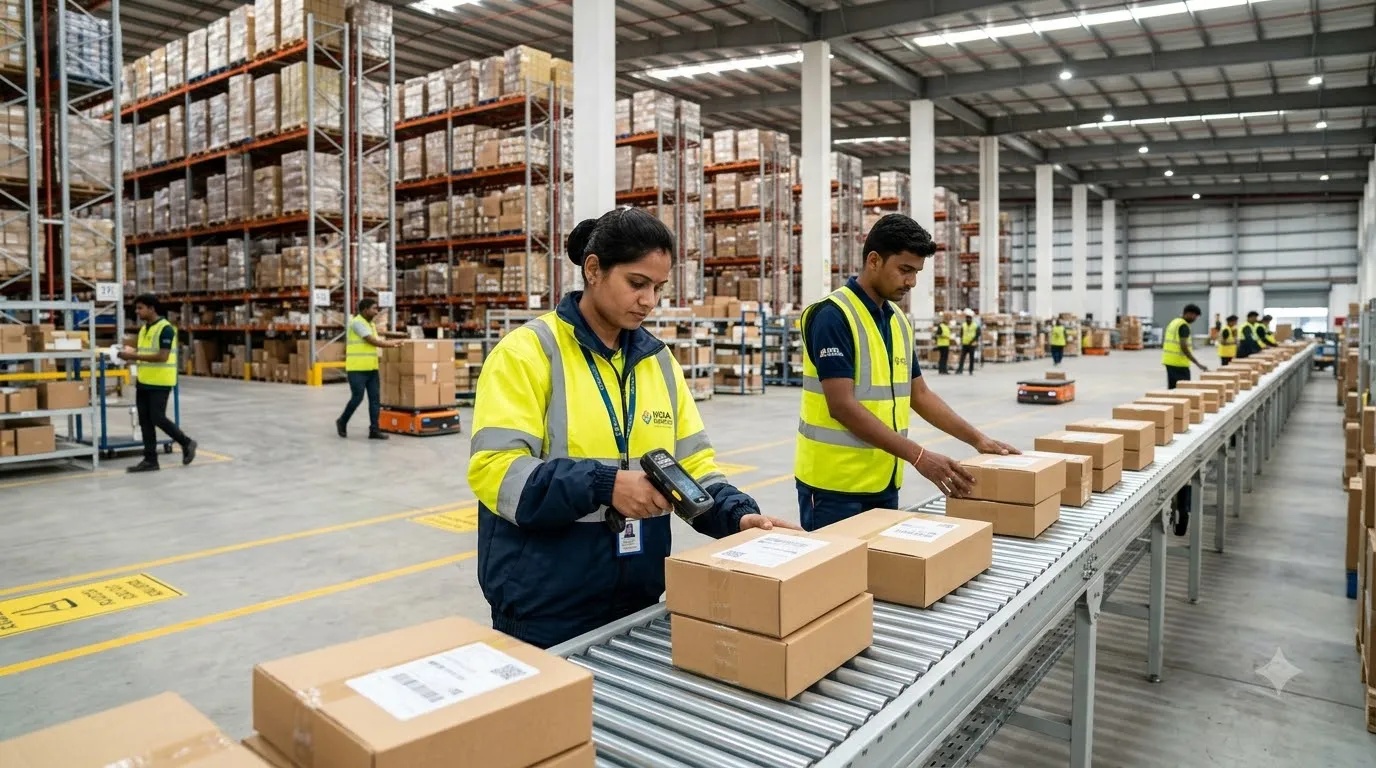
The Economic Times · 2 days ago
India's festive hiring surge is shifting away from purely temporary work, with over 74% of employers planning to convert a portion of season...

Khaleej Times · 4 months ago
India’s fuel price hike highlights how geopolitical conflicts are directly impacting large energy-importing economies. Rising oil prices, sh...
From MyDigiFolio
One profile. Resume, vCard, portfolio, and email signatures — all generated in 3 minutes.
Build your page — freeWe use essential cookies for login and preferences, and optional cookies for analytics. Privacy policy.