CAREERS
Palantir CEO Alex Karp Names Vocational Trades and Neurodiversity as the Only Two Safe Paths in the AI Era
MyDigiFolio Editors
2 min read
CAREERS
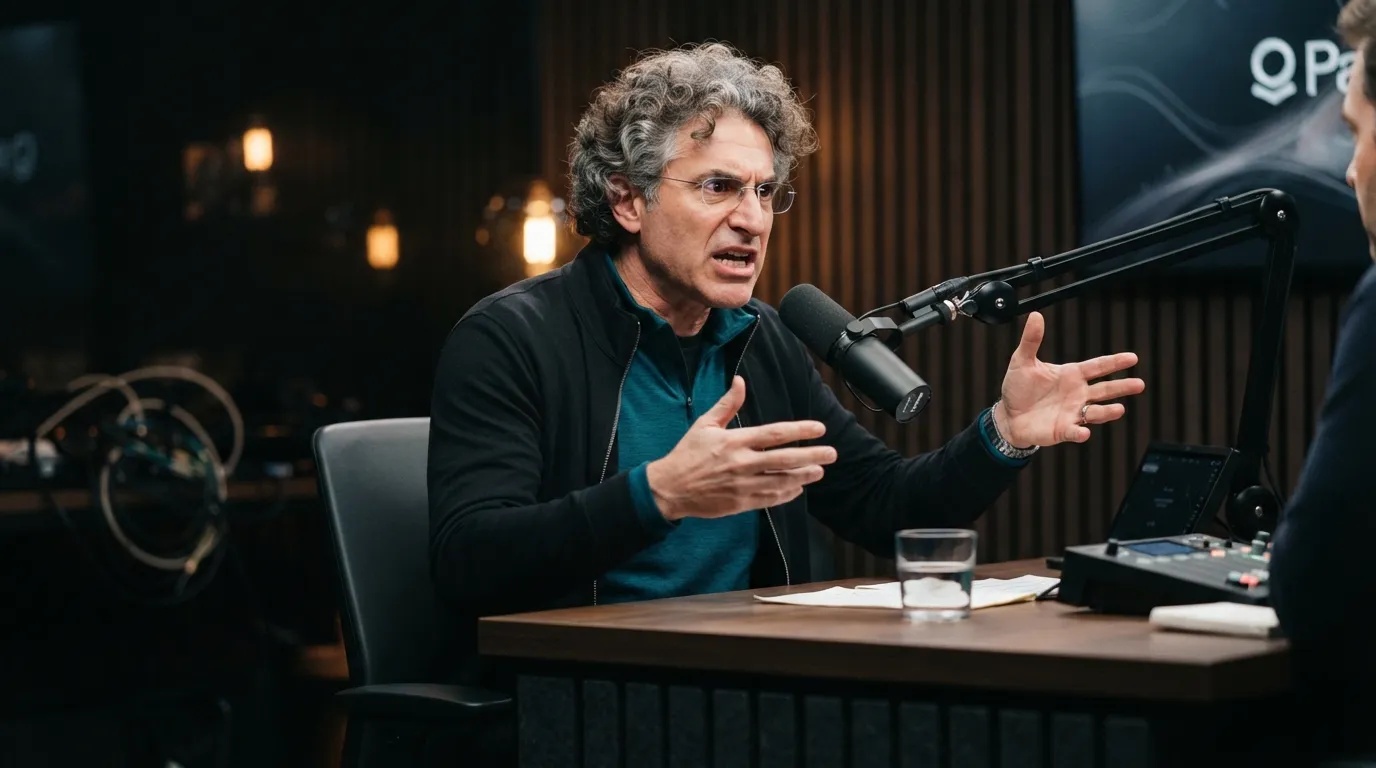
Palantir CEO Alex Karp is bypassing standard tech career advice like learning to code or prompt models, arguing that the only two secure career paths in the AI age are vocational skilled trades and being neurodivergent. Speaking on the TBPN podcast, Karp asserted that while algorithmic systems rapidly average out repetitive middle-management office tasks, trades rely on local physical judgment, and neurodivergent thinkers bring the idiosyncratic, non-linear insights machines cannot copy.
While corporate leaders and career influencers tell professionals to future-proof their careers by learning Python or mastering AI prompting, Palantir Technologies CEO Alex Karp has taken a radically different stance: skip the generic tech courses entirely.
Speaking on the technology podcast TBPN, the head of the enterprise data and defense analytics giant asserted that the modern labor force is dividing into roles automated by AI and rare human domains that resist algorithmic replication.
"There are basically two ways to know you have a future. One, you have some vocational training. Or two, you're neurodivergent." — Alex Karp, CEO, Palantir
Escaping the Predictable Middle Karp’s career thesis takes aim directly at the crowded middle tier of white-collar office work—paralegals, data analysts, report-writers, and middle managers whose output relies on predictable patterns that generative AI engines easily automate:
The Hands-On Trades: Karp paired his neurodiversity thesis with vocational trades (electricians, mechanics, specialized technicians). These roles depend heavily on physical adaptability, tactile dexterity, and localized, real-time spatial judgment—capabilities that software and robotic platforms cannot easily replicate.
The "Artist" Mindset: For knowledge workers, Karp argued that success will belong to non-linear thinkers who operate more like artists than corporate functionaries. Because large language models work by predicting and averaging historical datasets, competitive value shifts to the odd angle, the counter-intuitive link, and ideas unconstrained by corporate playbooks.
Reframing Neurodiversity as a Competitive Edge The commentary is rooted in Karp’s personal journey—the chief executive is famously open about his own dyslexia, which he credits for forcing him to think freely rather than following established scripts:
Alternative Cognitive Models: Karp pointed to conditions like ADHD, autism, and dyslexia not as workplace handicaps requiring corporate accommodation, but as natural defenses against automated conformity.
Psychological Perspectives: Daniel Wendler, an autistic psychologist specializing in neurodiversity at work, agreed that diverse cognitive perspectives are critical in AI strategy rooms to catch blind spots that standard teams miss. However, workplace specialists stress that neurodivergence itself guarantees neither career security nor immunity from systemic corporate barriers.
While Palantir has not instituted formal neurodivergent hiring quotas or policy shifts alongside the remarks, Karp’s argument flips decades of HR conventions on their head: the future of knowledge work will reward those whose minds resist corporate standardization.

The Times of India · 1 week ago
Hindustan Aeronautics Limited is concluding the application window for 150 Junior Executive (Grade E0) positions across nine engineering str...

The Times of India · 1 week ago
The Railway Recruitment Board has expanded Technician Grade-III positions from 6,234 to 7,002 across multiple railway zones, adding 768 tech...

The Economic Times · 1 week ago
ICICI Life Insurance plans to onboard 20,000 women financial advisors nationwide by the close of FY2027 under its flagship Narishakti initia...
From MyDigiFolio
One profile. Resume, vCard, portfolio, and email signatures — all generated in 3 minutes.
Build your page — freeWe use essential cookies for login and preferences, and optional cookies for analytics. Privacy policy.