CAREERS
Teen Summer Hiring Forecast Points to Weakest Season on Record
MyDigiFolio Editors
2 min read
CAREERS

Teenagers may encounter a challenging summer job market in 2026, with hiring projected to decline to a historic low. Rising business costs, automation, and competition from older workers are among the factors contributing to fewer seasonal opportunities.
Teen Summer Hiring Expected to Reach Historic Low
A new forecast from workforce consulting firm Challenger, Gray & Christmas estimates that employers will add approximately 790,000 summer jobs for workers aged 16 to 19 in 2026.
If realized, that figure would represent the lowest level of summer hiring for teenagers since the Bureau of Labor Statistics began recording the data in 1948. The projection follows last year's total of 801,000 teen summer jobs, which was also reported as a record low.
According to the firm, several economic and workplace trends are contributing to the slowdown. Businesses continue to face inflation-related pressures, higher fuel costs, and uncertainty around consumer spending. These challenges affect industries that have traditionally provided summer employment opportunities for teens, including restaurants, retail stores, amusement parks, and summer camps.
The report also highlights the growing role of automation and artificial intelligence in handling tasks that were once common entry-level responsibilities. Functions such as order taking, scheduling, and basic customer service are increasingly supported by technology.
Another factor is the participation of older workers in the labor market for longer periods, creating additional competition for part-time and seasonal positions that have historically been filled by teenagers.
Hiring activity within the entertainment and leisure sector has also declined sharply. Through April, employers in those industries announced 8,261 hiring plans, a drop of 70% compared with the same period a year earlier. This sector has traditionally been a significant source of summer jobs for young workers.
The report further notes that teen labor force participation has changed considerably over time. While participation rates regularly exceeded 50% during the 1970s and 1980s, the rate stood at 33.8% in April 2026.
Researchers suggest many teenagers now balance academics, extracurricular activities, family responsibilities, internships, and online income opportunities, reducing reliance on traditional summer employment.
Despite the weaker outlook, opportunities may still exist in regions experiencing labor shortages, particularly across hospitality, food service, and agriculture. Experts advise families to consider how work commitments fit alongside education, rest, and personal development.

The Economic Times · 12 hours ago
ICICI Life Insurance plans to onboard 20,000 women financial advisors nationwide by the close of FY2027 under its flagship Narishakti initia...

The Times of India · 12 hours ago
UCO Bank has announced 530 apprentice positions across India under the Apprentices Act, 1961, with the application window open until October...
The Economic Times · 1 day ago
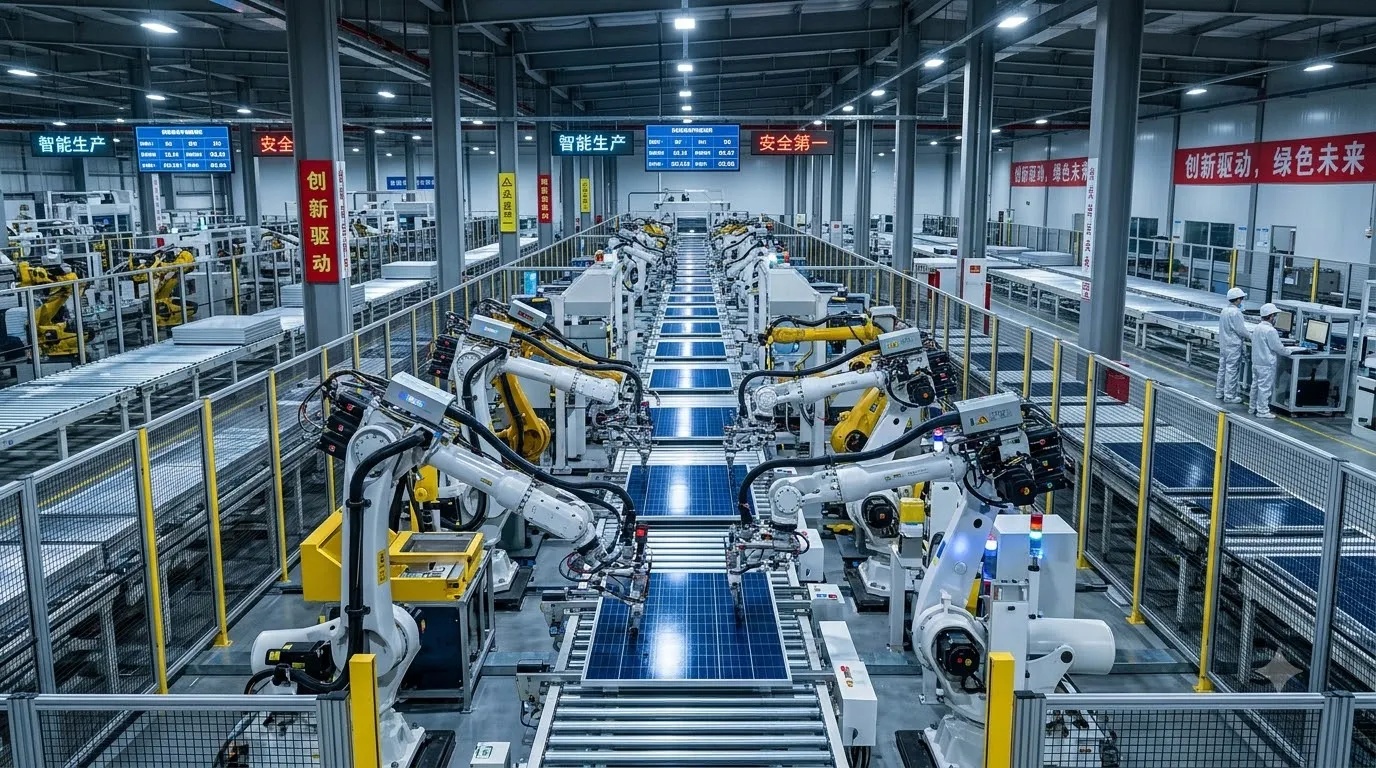
China’s top five solar manufacturers slashed their combined workforce by 21%—shedding 40,589 jobs—as severe domestic overcapacity roughly do...
From MyDigiFolio
One profile. Resume, vCard, portfolio, and email signatures — all generated in 3 minutes.
Build your page — freeWe use essential cookies for login and preferences, and optional cookies for analytics. Privacy policy.