TOP STORIES
Trump’s Drug Price Push Delivers Mixed Results as Many Medication Costs Continue Rising
MyDigiFolio Editors
3 min read
TOP STORIES
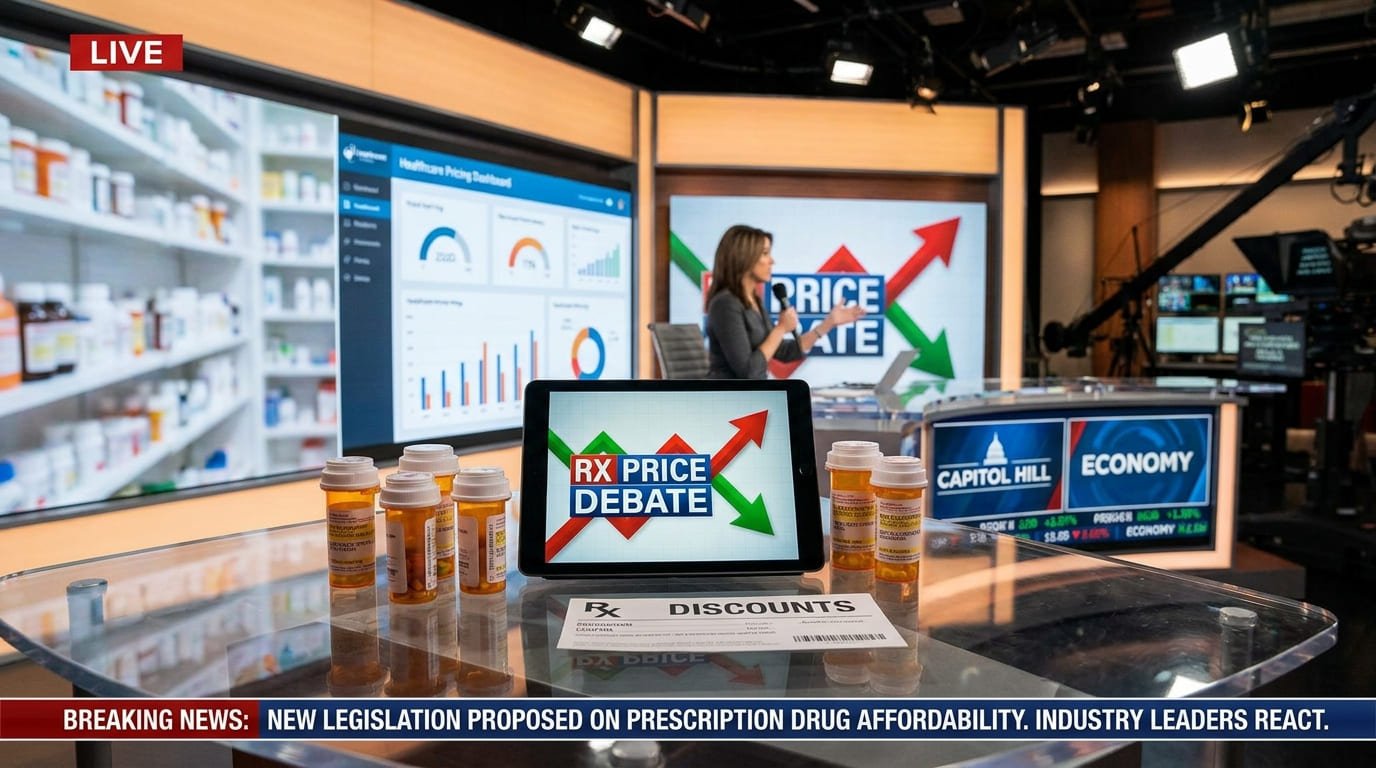
President Donald Trump’s latest prescription drug pricing initiatives have lowered costs for some medicines, particularly select fertility and weight-loss treatments, but many Americans are still facing rising drug prices overall. Analysts say programs like TrumpRx may offer limited savings for certain patients, while broader structural issues — including patent protections, pricing systems, and limited generic competition — continue driving high pharmaceutical costs in the United States.
Trump Administration Expands Drug Pricing Initiatives
The Trump administration has introduced several initiatives aimed at reducing prescription drug prices in the United States, including negotiations with pharmaceutical companies, discount programs, and efforts to accelerate approval of biosimilar medicines.
One of the most publicized initiatives is TrumpRx, a platform designed to help cash-paying patients access discounted medications from participating drug manufacturers.
The administration has also promoted “most favored nation” pricing agreements intended to align certain US drug prices more closely with prices paid in other countries.
Despite these announcements, healthcare analysts say the overall impact on drug affordability remains mixed and limited for many patients.
Some Drug Prices Fell, But Many Continued Rising
While certain medications now offer discounts through TrumpRx and other negotiated programs, many drug prices have continued increasing across the broader pharmaceutical market.
Data from healthcare pricing analysts showed that hundreds of brand-name medications saw list-price increases during early 2026.
Reports indicated that:
Critics argue that while select discounts generate public attention, the broader pricing system remains largely unchanged.
Medicare Negotiation Program Delivers Largest Savings
One of the most significant pricing changes affecting consumers has come from the continuation of Medicare drug price negotiations originally introduced under the previous administration.
Negotiated discounts for several high-cost medications officially took effect in 2026, helping reduce out-of-pocket costs for many Medicare beneficiaries.
Analysts estimate the program could save billions of dollars annually while lowering costs for:
Additional rounds of negotiations are expected to include more high-priced drugs in future years.
TrumpRx Offers Savings for Some Patients
The TrumpRx platform currently focuses mainly on uninsured or cash-paying consumers seeking discounts on selected brand-name medications.
Some of the most notable discounts include:
For example:
However, experts note many cheaper generic alternatives remain available elsewhere at significantly lower prices.
Patent Protections Continue Delaying Generic Competition
Healthcare policy experts say one of the biggest reasons US drug prices remain high is the complex patent system that delays generic and biosimilar competition.
Although the administration has pledged to accelerate biosimilar approvals through the U.S. Food and Drug Administration, analysts say legal patent barriers often delay cheaper alternatives for years after regulatory approval.
Industry observers argue that broader reform would be required to significantly reduce prescription drug costs nationwide.
Americans Continue Facing Affordability Concerns
Public concern about prescription affordability remains high in the United States.
Recent surveys show:
Healthcare experts say patients are now often forced to shop for medication prices similarly to everyday household products, comparing multiple programs and pharmacies to secure the best deal.
Key Highlights

The Economic Times · 12 hours ago
ByteDance’s AI research unit, Seed, has established a dedicated Alignment & Preparedness team and launched an international search for speci...

The American Bazaar · 12 hours ago
Silicon Valley venture capital titan Andreessen Horowitz has eliminated most of its 34-member centralized "full stack talent" team, shifting...

The Economic Times (ET AI) · 12 hours ago
Zoho co-founder and chief scientist Sridhar Vembu has firmly rejected workforce cuts despite industry-wide SaaS contractions, committing ins...
From MyDigiFolio
One profile. Resume, vCard, portfolio, and email signatures — all generated in 3 minutes.
Build your page — freeWe use essential cookies for login and preferences, and optional cookies for analytics. Privacy policy.