CAREERS
AI Creates More Jobs Than It Removes in India, but Freshers Face Hiring Challenges
MyDigiFolio Editors
4 min read
CAREERS

AI has so far produced a positive net employment effect in India, with new roles outnumbering documented job losses. However, fresh graduates face a tougher market as companies reduce entry-level hiring while demand remains stronger for experienced professionals. The biggest concern may be the shrinking number of opportunities available at the start of the career ladder.
Artificial intelligence is currently contributing to more job creation than job losses in India, according to a Nomura report. However, the impact is becoming increasingly visible among fresh graduates and entry-level workers, as companies reduce hiring at the beginning of the career ladder while continuing to seek experienced professionals.
Nomura's Beyond the Headlines: AI Has Added Jobs in Asia – So Far reviewed 69 company announcements across Asia, covering the period from 2022 to August 2026. The report identified approximately 131,000 jobs created in connection with AI, compared with around 61,000 jobs lost.
India, China and the Philippines have so far experienced a positive overall employment effect from AI. However, the positions being created are often different from those being reduced, creating particular challenges for younger workers and new graduates.
Entry-Level Hiring Faces Pressure
Nomura describes the changing labour market as increasingly divided, with reduced demand for entry-level employees while experienced professionals remain valuable because of their business knowledge, management abilities and interpersonal skills.
In India, a survey of 651 IT companies conducted by the Indian Council for Research on International Economic Relations found that 55% of firms had reduced entry-level recruitment. In comparison, only 14% reported lower hiring for senior-level positions.
A similar pattern has appeared in South Korea. Employment among people aged 15 to 29 declined by 211,000, with most of the fall occurring in industries highly exposed to AI. Meanwhile, employment among workers in their 50s increased by 209,000, with more than two-thirds of that growth coming from highly AI-exposed sectors.
A Shift Towards Reduced Hiring
Rather than carrying out large-scale layoffs, companies are increasingly adapting to AI by slowing recruitment and bringing in fewer new employees.
According to staffing firm Xpheno, net hiring in India's IT sector declined from roughly 600,000 in FY22 to about 140,000 in FY26. Reduced campus recruitment and slower hiring have accounted for much of this adjustment.
Nomura refers to this trend as "silent firing". While less visible than mass layoffs, it can significantly affect young people seeking their first opportunity in the workforce.
Sectors Seeing AI-Related Job Losses
The job cuts linked to AI identified by Nomura have been concentrated mainly in financial services and technology.
Financial services represented about 58% of documented AI-related layoffs, while the technology sector accounted for another 30%. AI has enabled organisations such as banks to expand some operations without increasing their workforce at the same pace.
Roles most exposed so far include routine and lower-skilled work. These include back-office banking activities such as reconciliation, compliance and data entry, customer service positions increasingly supported by chatbots, and junior technology roles including quality assurance testing and entry-level coding.
Sectors requiring physical work or significant human interaction have experienced fewer AI-related job losses. Manufacturing, construction, direct healthcare services and education remain more difficult to automate because of the nature of the work involved.
AI Is Also Generating New Roles
More than 90% of the AI-related job creation identified by Nomura has been concentrated in the technology sector. Other industries have accounted for less than 10% of the total.
In India, AI-related employment growth has largely been seen in data annotation, linguistics and AI-focused IT services. In China, more highly skilled graduates are being recruited to develop and expand proprietary AI models.
Outside the technology industry, AI-related hiring remains limited, with examples including AI risk analysis roles in banking and specialists working on autonomous vehicles.
Nomura expects AI-related employment to spread more widely across other industries as adoption increases, although this broader effect has not yet become clearly visible in the data.
India Faces a Key Test
India's large IT services and business-process outsourcing industries have traditionally relied on work that is becoming easier for AI systems to perform. This could place some entry-level and back-office positions under increasing pressure.
At the same time, India's large engineering and technology talent pool could help the country benefit from the new opportunities created by AI.
For now, Nomura's findings suggest that AI has had a positive overall effect on employment in India. However, as AI develops beyond basic automation towards more advanced agentic systems, its effect on the labour market could change significantly in the coming years.
While the current data may reduce concerns about widespread AI-driven job losses, the impact on fresh graduates is already becoming apparent. The growing challenge is not only whether AI will replace jobs, but whether it could reduce access to the entry-level opportunities that help people begin their careers.

The Economic Times · 12 hours ago
ICICI Life Insurance plans to onboard 20,000 women financial advisors nationwide by the close of FY2027 under its flagship Narishakti initia...

The Times of India · 12 hours ago
UCO Bank has announced 530 apprentice positions across India under the Apprentices Act, 1961, with the application window open until October...
The Economic Times · 1 day ago
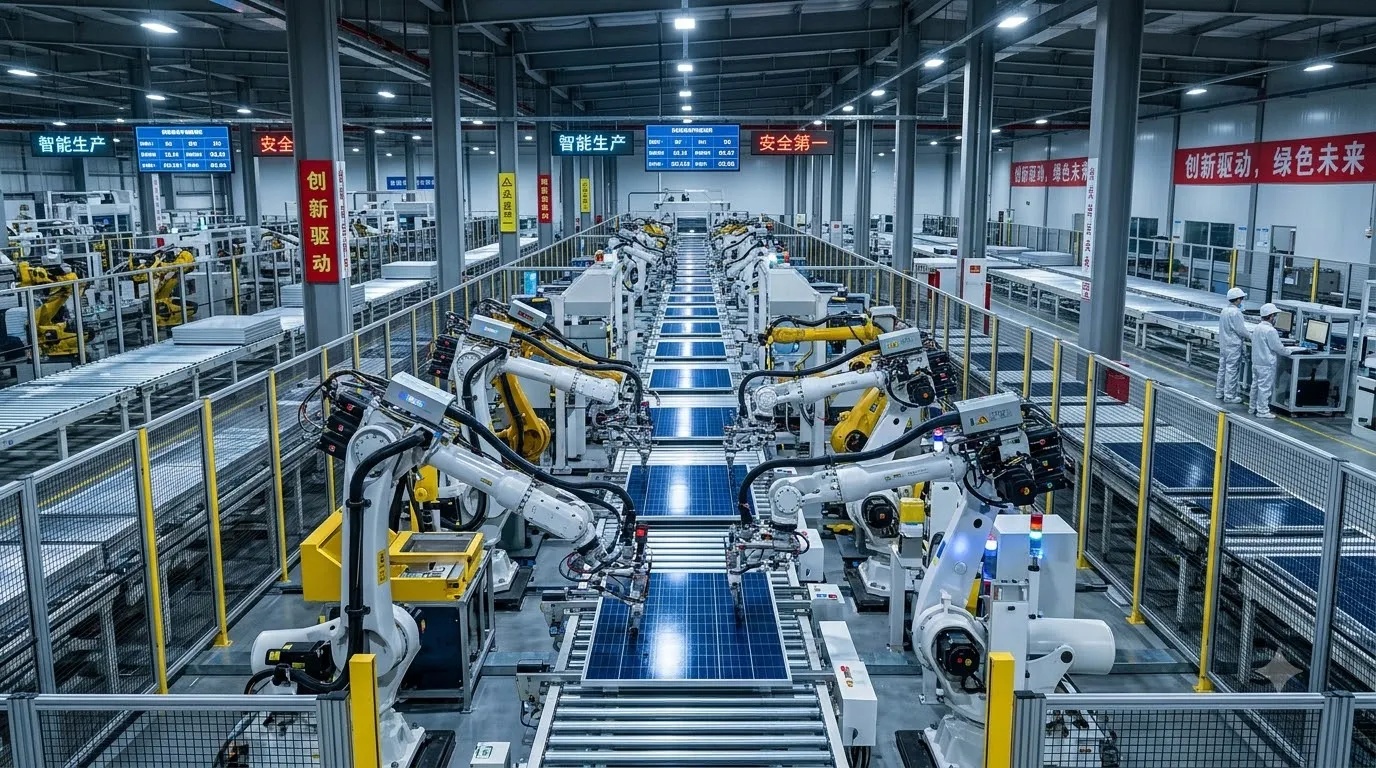
China’s top five solar manufacturers slashed their combined workforce by 21%—shedding 40,589 jobs—as severe domestic overcapacity roughly do...
From MyDigiFolio
One profile. Resume, vCard, portfolio, and email signatures — all generated in 3 minutes.
Build your page — freeWe use essential cookies for login and preferences, and optional cookies for analytics. Privacy policy.