AI & TECH
Ex-Ultrahuman Exec’s Startup Aina Unveils $399 AI Smart Ring to Predict User Actions and Control Agents
MyDigiFolio Editors
3 min read
AI & TECH
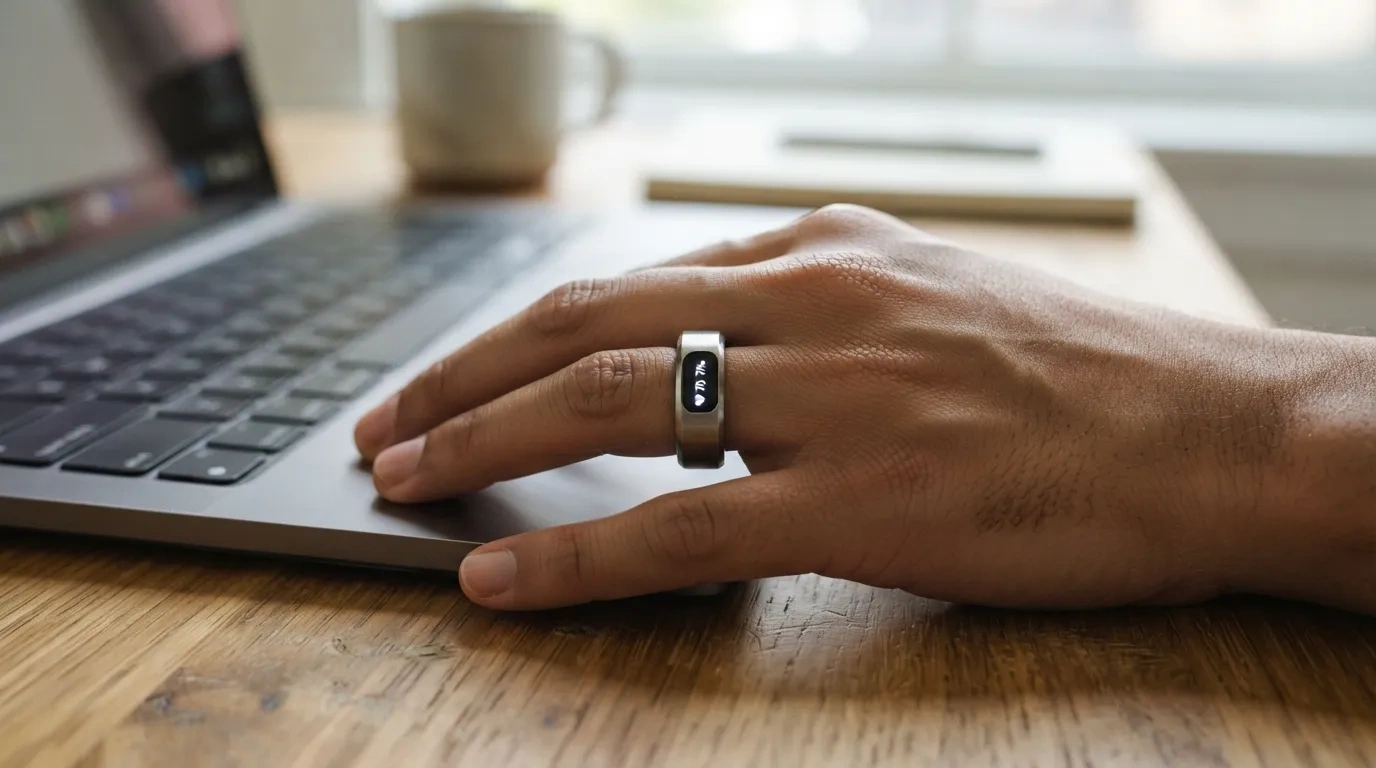
Bengaluru- and San Francisco-based hardware startup Aina, founded by former Ultrahuman hardware VP Apoorv Shankar, has exited stealth to launch an AI-powered smart ring featuring an integrated display, microphone, and speaker. Designed to solve interaction friction with autonomous AI agents, the wearable runs a context-aware OS that learns behavioral routines across phones and Macs to anticipate user actions before they are requested. Priced at a $399 early-bird tier with shipments slated for January 2027, Aina positions binary finger gestures as the next computing interface.
After operating in stealth for 15 months, consumer hardware startup Aina has officially unveiled its flagship wearable: an artificial intelligence smart ring engineered to anticipate user actions, execute quick decisions, and serve as an ambient physical controller for autonomous AI agents, smartphones, and Macs.
Founded in May 2025 by Apoorv Shankar, the former vice president of hardware at health-tech unicorn Ultrahuman, the venture-backed company has set out to redefine human-computer interaction (HCI). Rather than focusing solely on passive biometric and sleep tracking like conventional smart rings, Aina is built around the thesis that as autonomous AI agents take over daily workflows, users require an immediate, low-friction interface to issue binary approvals without pulling out and unlocking a phone.
The Interaction Triad: Voice, Cues, and Remote The titanium ring integrates an embedded display, a built-in microphone, a miniature speaker, and a thumb-navigated tactile controller across three core modes:
Aina Cues (Predictive Context): Running a proprietary context-aware operating system, the ring syncs with user patterns, calendar schedules, and location telemetry. It computes and surfaces the top three actions a wearer is likely to need next—such as popping up a one-tap Uber shortcut minutes before a regular morning commute. Users simply flick up to approve or down to dismiss.
Aina Voice (Agent Hub): Wearers hold the center button to dictate voice notes, issue prompts to autonomous agents (including systems like Muse, Instinct, and Dots), or manage phone calls. By raising the ring to the ear, users can speak and listen directly through the device's audio hardware.
Aina Remote (Context-Shifting Controller): The device dynamically transforms based on current user activity. When media plays, it behaves as a music remote; during video conferences, it acts as a controller to mute microphones, toggle cameras, or trigger automated AI meeting notetakers.
"We started building Aina with a thesis that AI would evolve from following instructions to anticipating what we need. With proactive agents, that shift has already begun... Hundreds of times a day, we'll choose between options and say yes or no. Pulling out and unlocking a phone for each of these binary moments won't work. Hardware interfaces beyond the phone will be built for voice and quick approvals, and Aina is designed for that future." — Apoorv Shankar, Founder, Aina
From HCI Lab to Global Hardware Rollout The device represents an evolution from the company's experimental hardware roots:
Precursor Hardware: At CES 2026, the team demonstrated early ambient interface prototypes before launching Dune—a context-aware, three-key Mac controller that dynamically adjusted shortcut bindings based on active desktop applications.
Private Pilot Validation: Aina refined the ring's industrial design and tactile feedback during private pilot tests with early adopters throughout October.
Pricing and Launch Timelines: Global pre-orders opened on November 5, 2026, with super early bird pricing starting at $399 (retail pricing set at $499) across titanium finishes including Eclipse Black, Mercury Silver, and Slate Titanium. Global customer shipments are scheduled to commence in January 2027, launching with initial support for Apple iOS and macOS ecosystems.
ETTelecom (The Economic Times) · 4 days ago
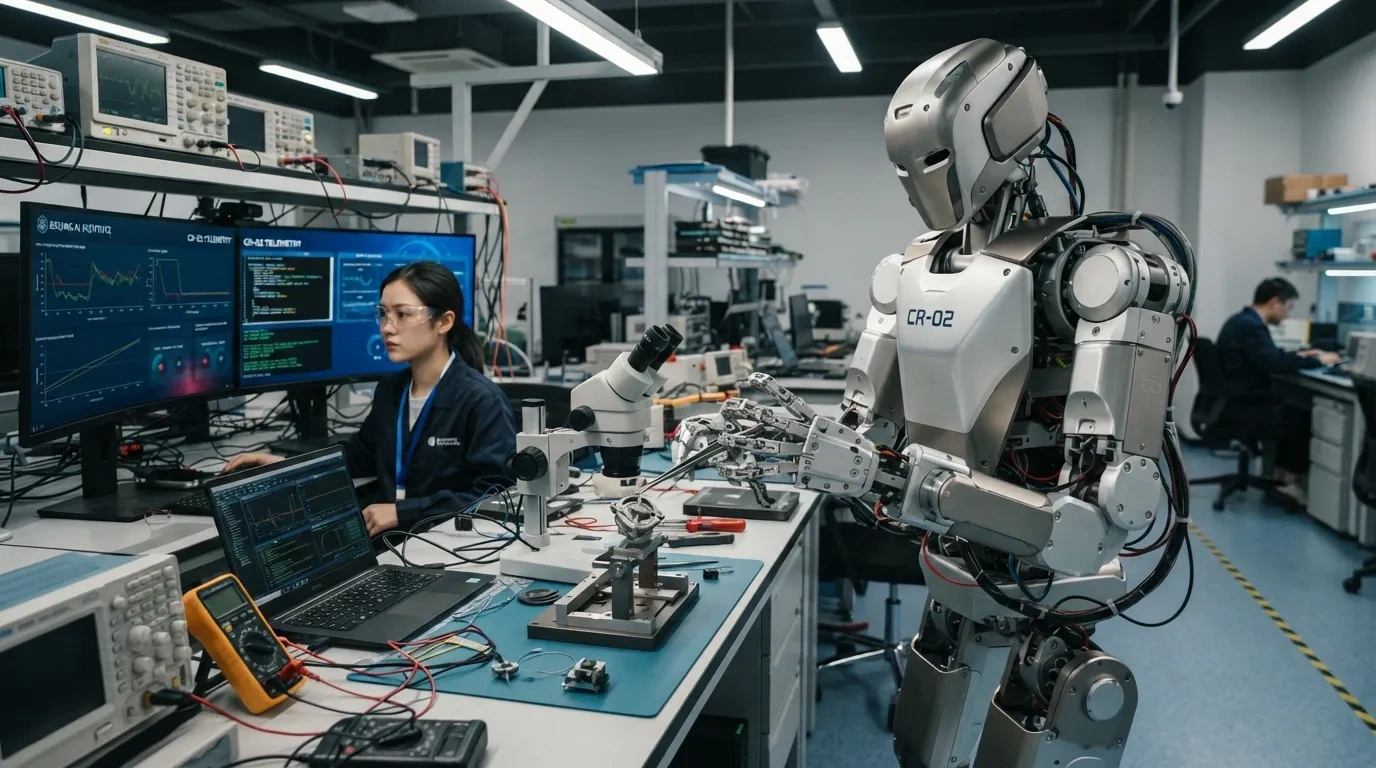
Having mastered acrobatics, backflips, and physical agility, Chinese humanoid robotics firms are shifting capital toward "embodied AI"—the c...
ETDataCenters (The Economic Times) · 4 days ago
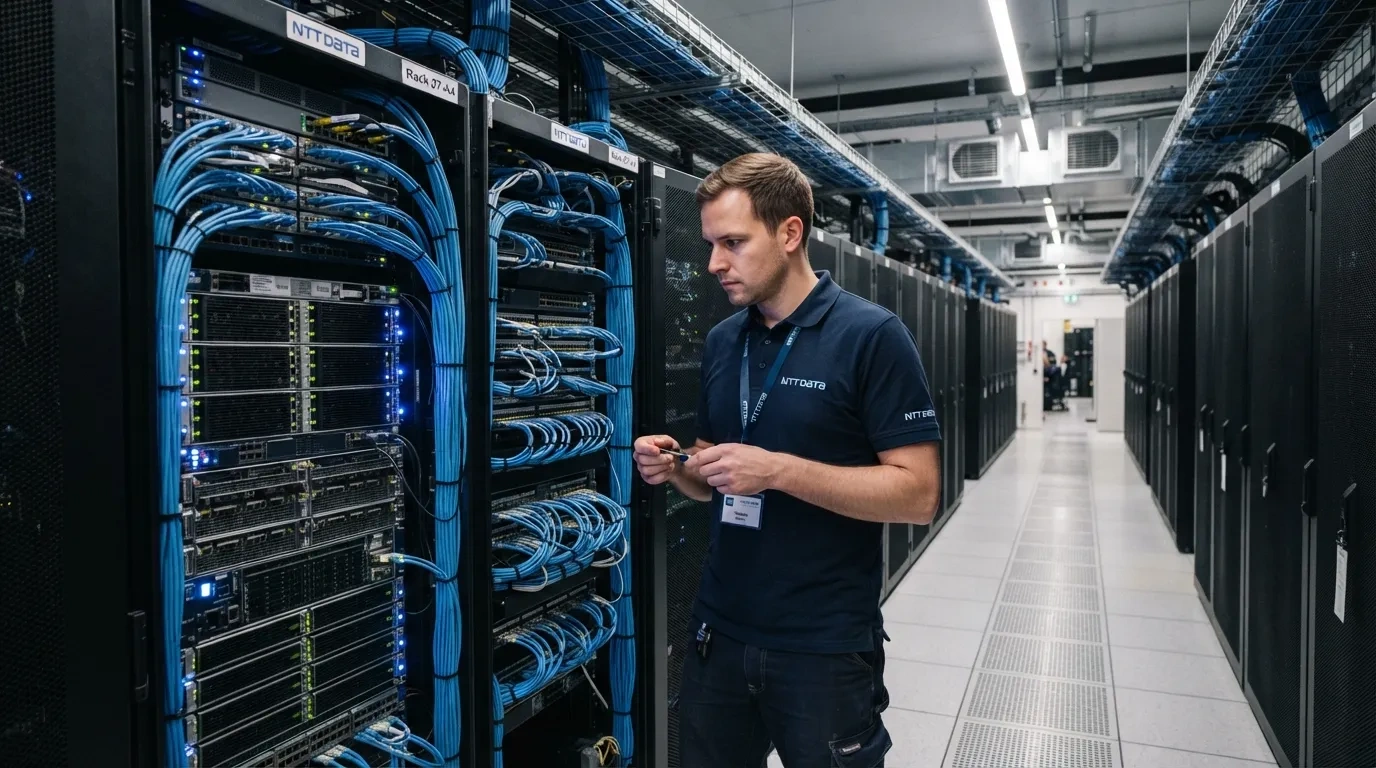
NTT DATA has expanded its global AI Factory footprint to five locations, rolling out production-grade validation centers in Paris, Munich, a...

Business Standard · 4 days ago
The Ministry of Electronics and Information Technology (MeitY) has launched a comprehensive handbook on Data Empowerment and Protection Arch...
From MyDigiFolio
One profile. Resume, vCard, portfolio, and email signatures — all generated in 3 minutes.
Build your page — freeWe use essential cookies for login and preferences, and optional cookies for analytics. Privacy policy.