CAREERS
H-1B Visa Rules Face Major Fee Changes and Tougher Screening
MyDigiFolio Editors
2 min read
CAREERS
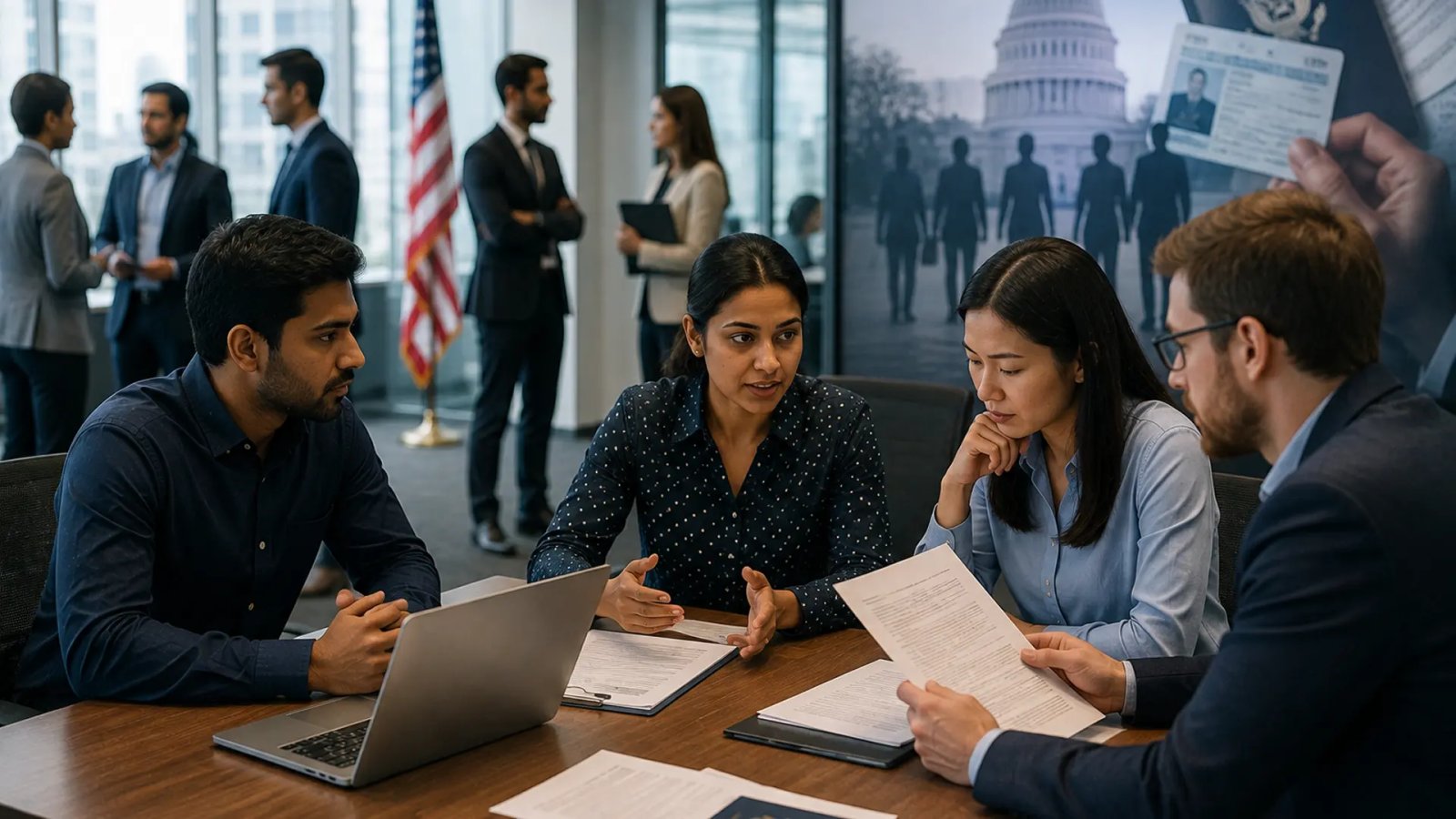
Proposed changes to the H-1B visa program could significantly raise costs for employers hiring skilled foreign professionals. With legal challenges still underway and screening becoming more rigorous, companies that depend on the program are facing increased uncertainty around future hiring.
U.S. employers use the H-1B visa program to hire skilled professionals from other countries for jobs in the United States. The program is widely used by technology companies and other employers looking to fill positions requiring specialized skills.
The program has become an important route for recruiting workers from countries including India and China. Major consulting firms and IT outsourcing companies are among the prominent employers that sponsor H-1B visas.
The Trump administration is seeking to make a substantial increase in H-1B visa costs permanent. A temporary fee increase introduced last year is due to end in September, while the Department of Homeland Security has proposed a permanent fee of $103,265.
The proposed changes have triggered opposition and legal challenges. Industry groups, employers, unions and Democratic-led states have taken action against the fee, and some of the ongoing court cases could also challenge the new proposal once it is finalized.
The use of H-1B visas has also drawn attention amid layoffs and a difficult job market for American workers. Critics argue that the program can be used to employ lower-paid foreign workers, while companies and business groups maintain that it helps address shortages of qualified professionals in certain sectors.
At the same time, stricter screening and processing requirements are affecting employers' hiring and expansion plans. Some major users of the program, including Google, have responded by increasing operations in India.
The administration has also expanded scrutiny of visa applicants. U.S. consulates have been directed to examine applicants' LinkedIn profiles and resumes, along with information related to accompanying family members, with particular attention on some technology-related applicants.
The H-1B program provides 65,000 visas each year, with an additional 20,000 available for workers holding advanced degrees. The visas are generally issued for an initial period of three years and can be extended up to six years.
Employer registrations for H-1B visas have declined in recent years. U.S. Citizenship and Immigration Services data showed that registrations last year were lower than both the 2024 figure and the level recorded in 2023.

The Economic Times · 12 hours ago
ICICI Life Insurance plans to onboard 20,000 women financial advisors nationwide by the close of FY2027 under its flagship Narishakti initia...
The Times of India · 12 hours ago
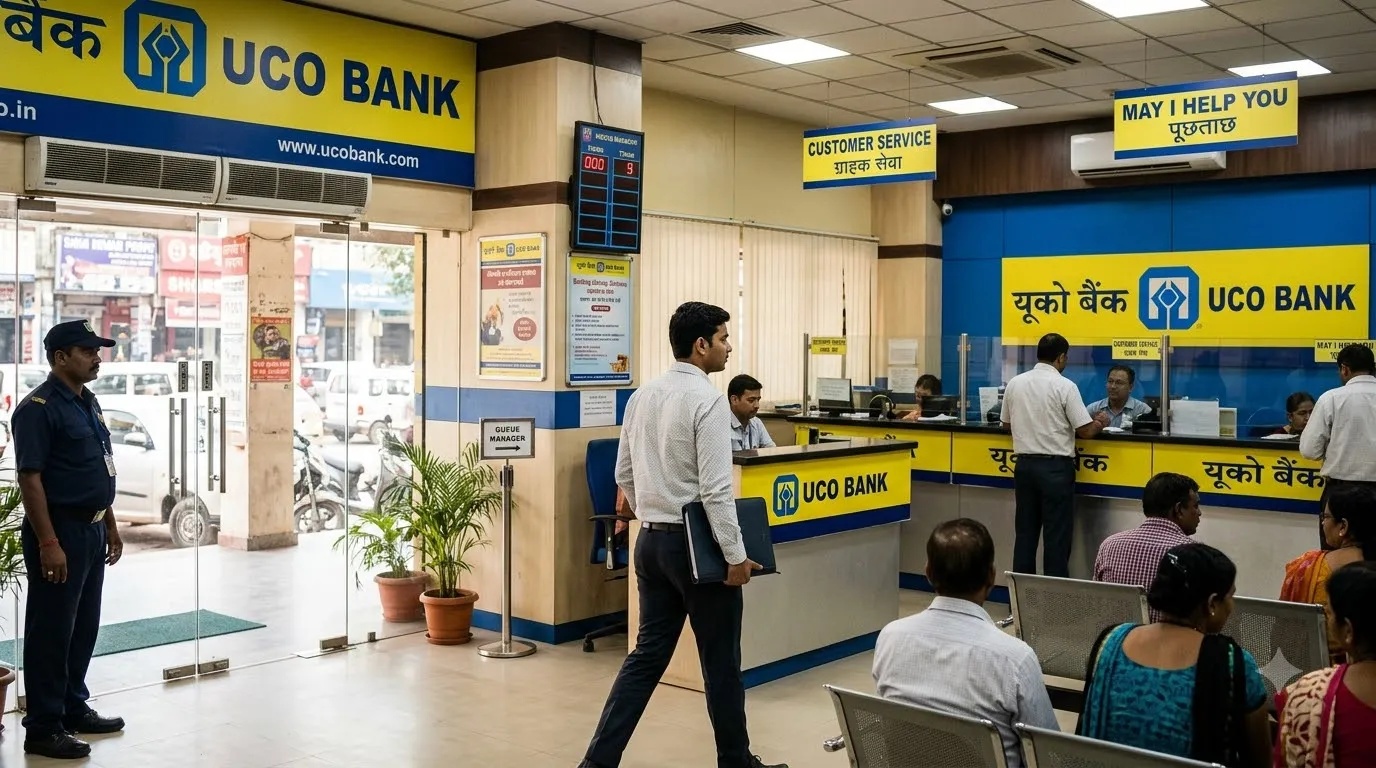
UCO Bank has announced 530 apprentice positions across India under the Apprentices Act, 1961, with the application window open until October...
The Economic Times · 1 day ago
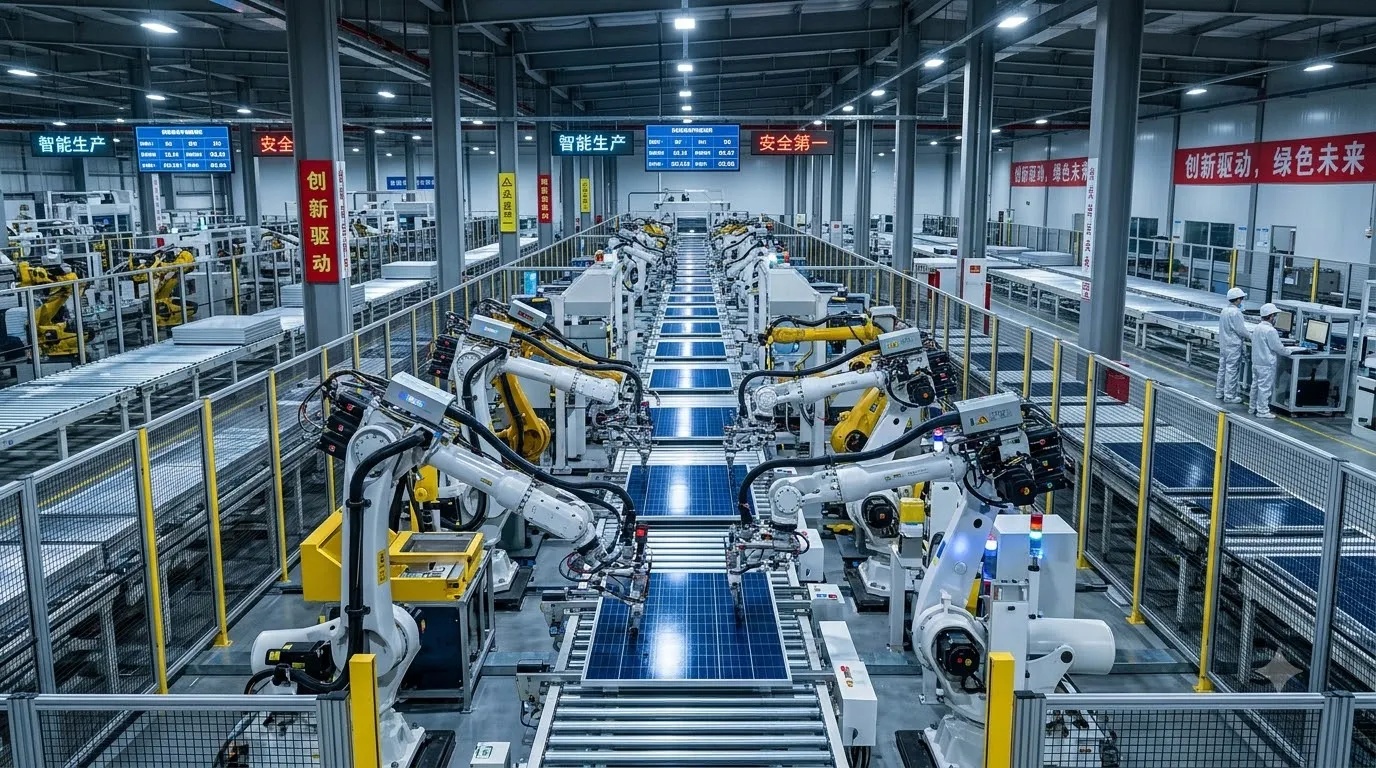
China’s top five solar manufacturers slashed their combined workforce by 21%—shedding 40,589 jobs—as severe domestic overcapacity roughly do...
From MyDigiFolio
One profile. Resume, vCard, portfolio, and email signatures — all generated in 3 minutes.
Build your page — freeWe use essential cookies for login and preferences, and optional cookies for analytics. Privacy policy.