CAREERS
South Korea’s Youth Face Deepening Employment and Wealth Challenges
MyDigiFolio Editors
2 min read
CAREERS

South Korea is experiencing a prolonged decline in youth employment despite strong export growth. At the same time, rising living costs and widening wealth disparities are making it harder for young adults to establish financial stability and plan for the future.
Youth Employment Continues to Decline
New employment figures show that job opportunities for South Koreans aged 15 to 29 have continued to shrink. Employment in this age group fell by 255,000 compared with the previous year, marking the steepest decline since early 2021 and extending a multi-year downward trend.
Economic Growth Not Reaching Young Workers
Although the country's export sector has benefited from strong demand in the semiconductor industry, many young people have not seen similar gains. While some workers at major corporations have received substantial performance-related compensation, a large number of job seekers continue to struggle to secure stable employment.
Rising Share of Young People in Lower-Income Households
Data from the Bank of Korea indicates that the proportion of people in their 20s and 30s within households ranking in the lowest group for both income and assets increased significantly between 2020 and 2025. Other age groups saw little change or declines during the same period.
The trend suggests that many young adults are entering adulthood without securing a strong position in the labor market, increasing the risk of long-term financial hardship.
Growing Wealth Gap
Home ownership has become increasingly difficult for younger generations. Apartment prices in Seoul have continued to rise, with gains largely benefiting existing property owners. As a result, the wealth gap between younger and older generations has widened.
Structural Challenges in the Labor Market
The editorial argues that long-standing labor market structures, including high employment costs and rigid workforce policies, have limited hiring opportunities for younger workers. Manufacturing employment has also continued to decline, adding further pressure to the job market.
Concerns are also being raised about proposals to extend the retirement age, with critics warning that such changes could further reduce opportunities for new entrants to the workforce.
AI Adds New Uncertainty
Artificial intelligence is emerging as another factor affecting employment. Jobs in professional, scientific, and technical services declined over the past year, with AI increasingly taking over tasks that were traditionally handled by entry-level office workers.
Calls for Job Creation
The editorial concludes that improving youth employment should be a national priority. It argues that encouraging business investment, reviewing regulations that may discourage hiring, and carefully assessing labor market reforms are important steps toward creating better opportunities for younger generations.

The Economic Times · 12 hours ago
ICICI Life Insurance plans to onboard 20,000 women financial advisors nationwide by the close of FY2027 under its flagship Narishakti initia...

The Times of India · 12 hours ago
UCO Bank has announced 530 apprentice positions across India under the Apprentices Act, 1961, with the application window open until October...
The Economic Times · 1 day ago
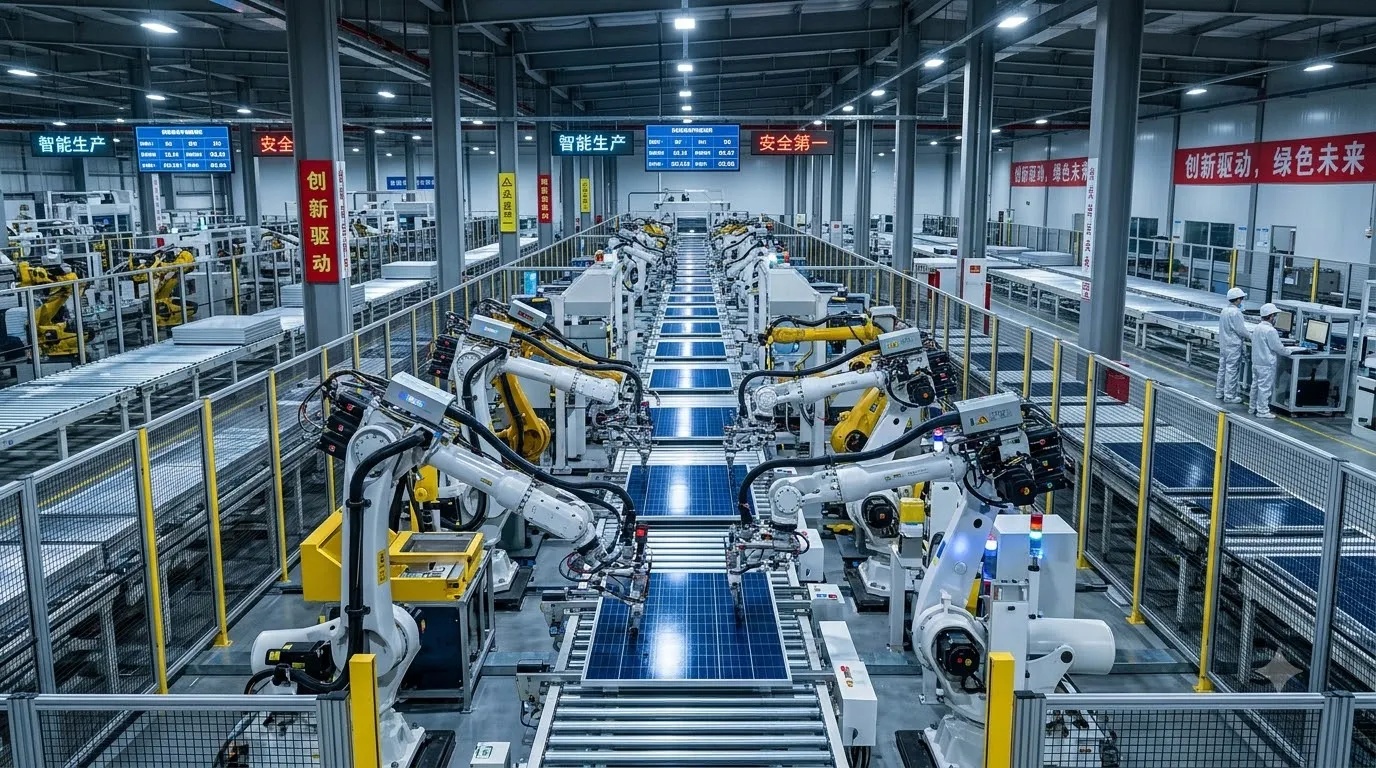
China’s top five solar manufacturers slashed their combined workforce by 21%—shedding 40,589 jobs—as severe domestic overcapacity roughly do...
From MyDigiFolio
One profile. Resume, vCard, portfolio, and email signatures — all generated in 3 minutes.
Build your page — freeWe use essential cookies for login and preferences, and optional cookies for analytics. Privacy policy.